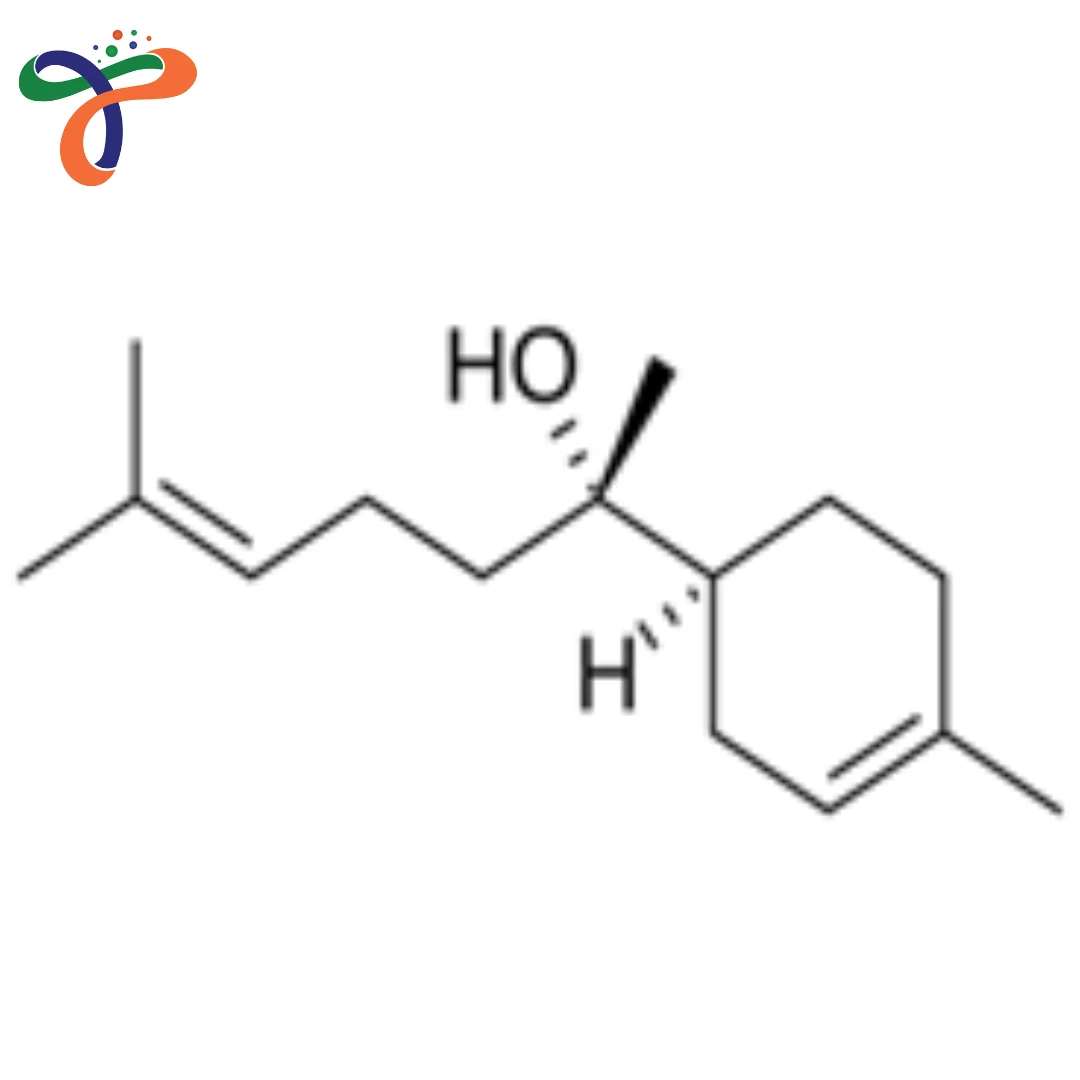
Bisabolol | 23089-26-1
Cas No :
23089-26-1
Synonyms :
Form :
Liquid
Molecular Weight :
222.37 G/mol
Molecular Formula :
C₁₅H₂₆O
Boiling Point :
153–156 °c
Melting Point :
25 °c
Flash Point :
135 °c
Solubility :
Insoluble (~22 Mg/l At 20 °c) In Water ,soluble In Alcohols, Dmso, Ethyl Acetate, And Oils
Description :
Bisabolol Suppliers & Manufacturers
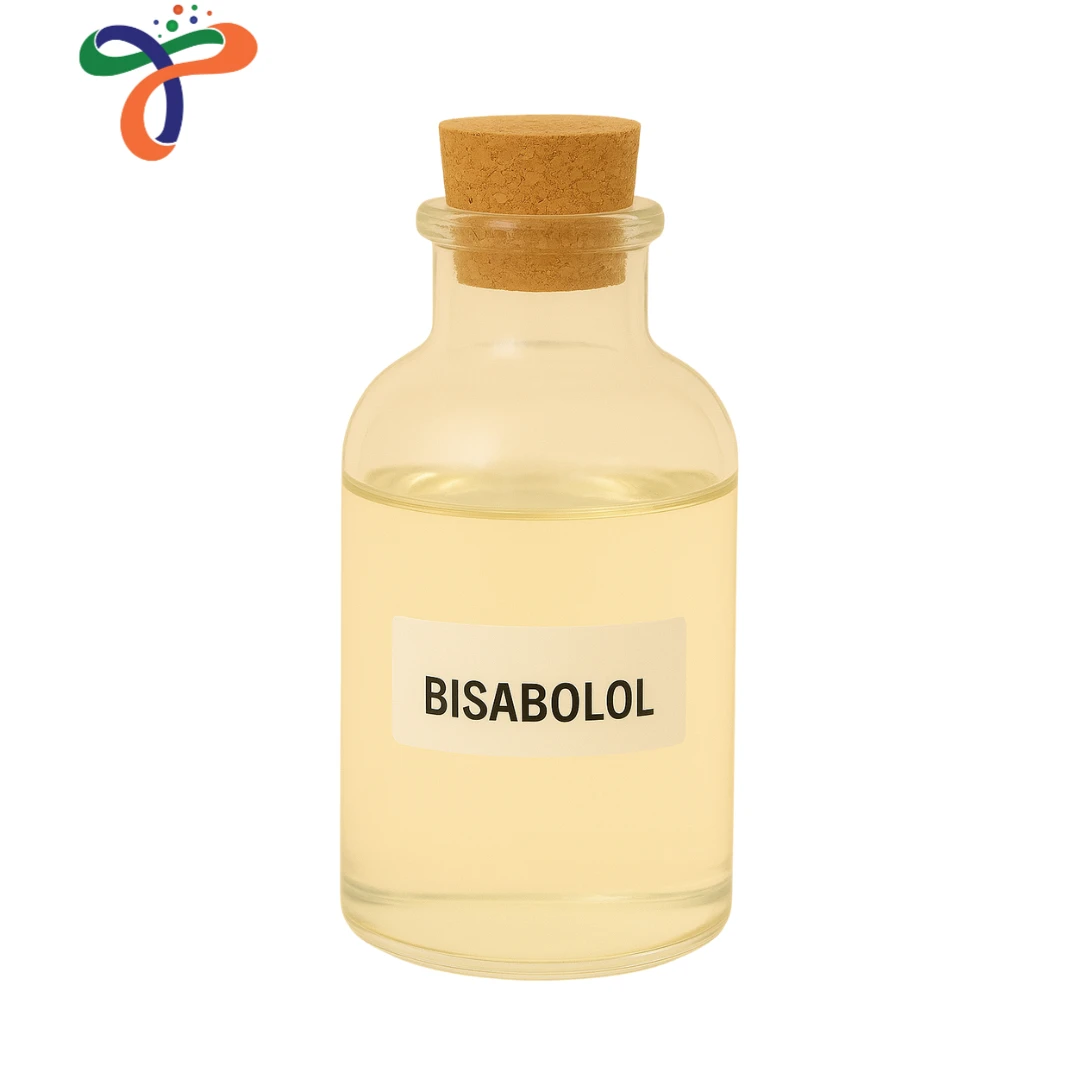
Bisabolol, also known as Bisabolol or Levomenol, is a monocyclic sesquiterpene alcohol that appears as a colourless to pale yellow, transparent oily liquid with a mild, sweet, and floral odour. This naturally occurring compound is the active ingredient in chamomile and is particularly present in wild chamomile and candida.
Applications of Bisabolol
Cosmetics and Skincare:
Used as a skin conditioning agent, where it is integrated in many cosmetic formulations due to its skin soothing effects and offers anti-inflammatory, anti-bacterial, and skin-calming properties
Clinical Applications:
Find applications in the clinical and cosmetic industries due to its pharmacological properties, including anti-inflammatory, anti-irritant, antimicrobial, and skin-healing effects.
Anti-ageing Formulations:
Have antioxidant properties that can visibly help reduce the signs of ageing, helping keep skin firm and youthful in appearance
Fragrance Industry:
Used as a fragrance ingredient in cosmetics and personal care products due to its pleasant floral aroma.
Neuroprotective Research:
Demonstrated neuroprotective properties in vitro in cellular models for neurotoxicity, associated with reductions in oxidative stress
Safety & Handling Guidelines:
- The Storage Requirements: They are to be stored inside tightly sealed storage containers in cold, dry temperatures, free of direct sunlight, heating sources ,and oxidising agents, to ensure stability.
- Personal Safety: Utilise typical laboratory equipment to protect yourself, including gloves, safety goggles and lab coats, when handling concentrated substances.
- Skin Contact: Generally well-tolerated and non-irritating, but avoid prolonged direct contact with concentrated material; rinse with water if irritation occurs.
- Ventilation: Work in adequately ventilated areas to prevent the accumulation of vapours, though bisabolol has low volatility at room temperature
- Chemical Compatibility: Keep away from strong acids, bases, and oxidising agents that may cause degradation or unwanted chemical reactions
- Fire Safety: Handle away from ignition sources and maintain appropriate fire suppression equipment nearby due to its organic nature
Why Choose ChemicalBull as a Bisabolol Supplier?
Bisabolol Manufacturer in India:
ChemicalBull manufactures high-quality Bisabolol for cosmetic, pharmaceutical, and research applications, meeting strict quality control and purity standards.
Distributor & Supplier:
ChemicalBull provides bulk quantities of Bisabolol with specialised packaging, temperature-controlled shipping, and comprehensive documentation for international customers.
Bisabolol MSDS:
Request the comprehensive MSDS from ChemicalBull for detailed safety protocols, handling procedures, storage guidelines, and emergency response information specific to Bisabolol.
Frequently Asked Questions
-
Where do I buy Bisabolol?
It is possible to purchase Bisabolol through ChemicalBull, a reliable international chemical company specialising in the production of pharmaceutical and cosmetic-grade products. -
What is the primary purpose of Bisabolol for the cosmetics industry?
It is mainly employed as a skin-conditioning ingredient that provides antibacterial, anti-inflammatory, and skin-soothing benefits across a range of cosmetic and personal care products. -
Does Bisabolol occur naturally?
Yes, Bisabolol naturally occurs as the main active ingredient in the essential oil chamomile, and it can also be found in the candeia plant; however, it can also be synthesised by UCE. -
Does Bisabolol have the potential to be utilised in research on pharmaceuticals?
Yes, bisabolol is widely used in pharmaceutical research because it can fight cancer, protect the brain, reduce inflammation and pain, help skin heal faster, and kill bacteria and fungi, making it promising for new medicines, especially for cancer, leukaemia, and skin treatments.
-
Can it be used in pharmaceutical research?
Yes, it is extensively used in pharmaceutical research for its anti-cancer properties, neuroprotective effects, and various therapeutic applications, including leukemia studies.
ChemicalBull supplies Bisabolol across India, serving customers in Andhra Pradesh, Arunachal Pradesh, Assam, Bihar, Chhattisgarh, Goa, Gujarat, Haryana, Himachal Pradesh, Jharkhand, Karnataka, Kerala, Madhya Pradesh, Maharashtra, Manipur, Meghalaya, Mizoram, Nagaland, Odisha, Punjab, Rajasthan, Sikkim, Tamil Nadu, Telangana, Tripura, Uttar Pradesh, Uttarakhand, and West Bengal, as well as the Union Territories of Andaman & Nicobar Islands, Chandigarh, Dadra & Nagar Haveli and Daman & Diu, Delhi, Jammu & Kashmir, Ladakh, Lakshadweep, and Puducherry. We serve pharmaceutical, chemical, research, academic, laboratory, manufacturing, and industrial customers with reliable nationwide delivery.