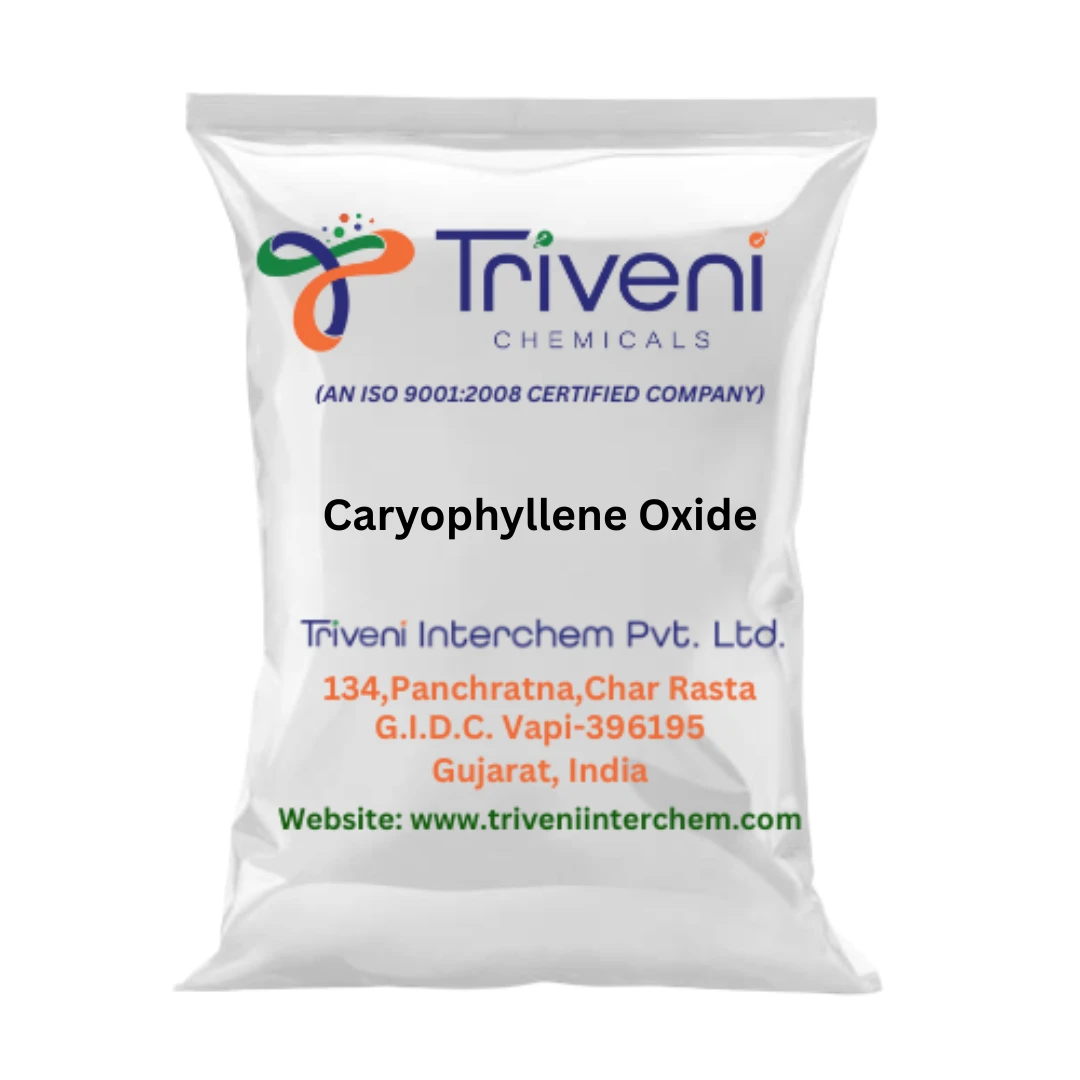
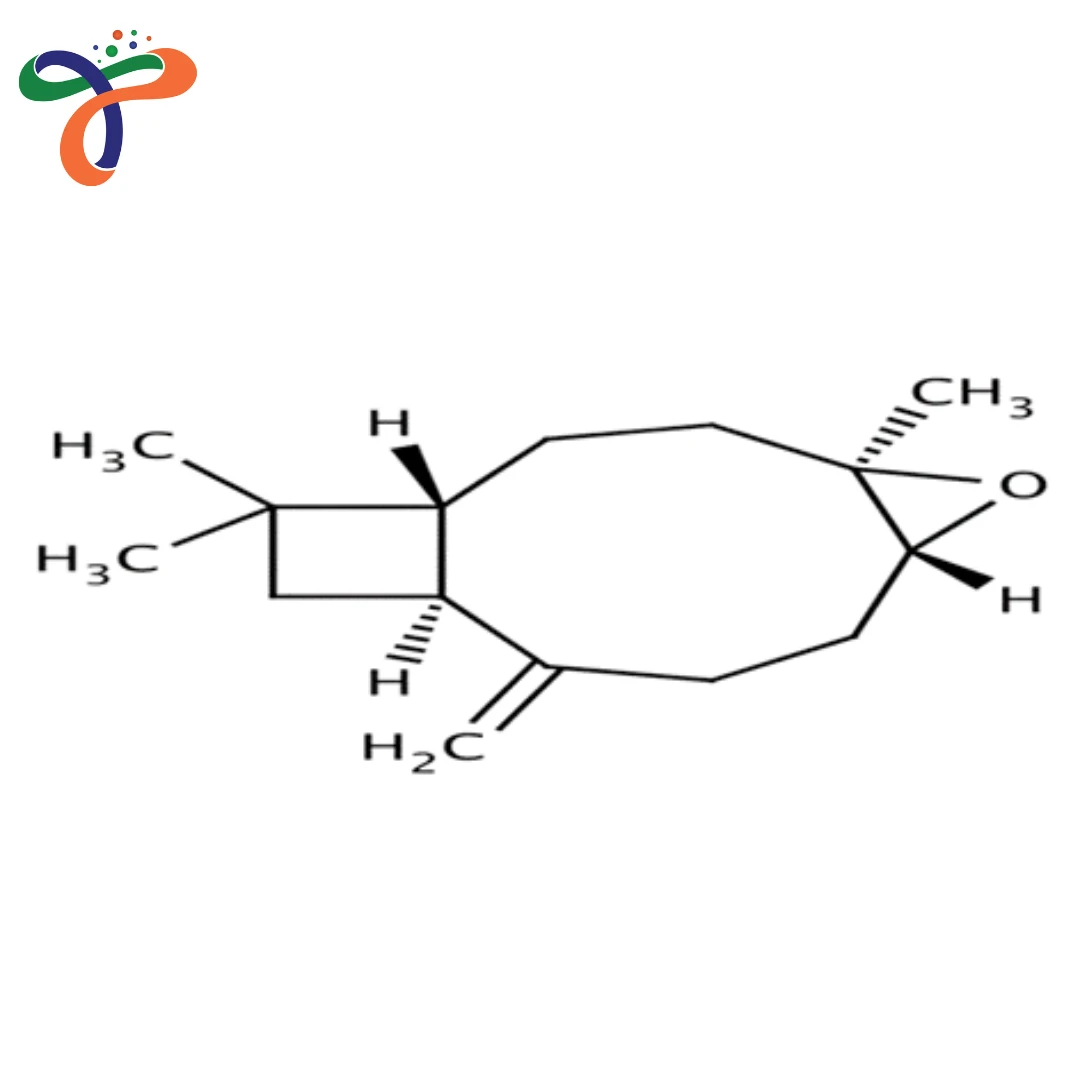
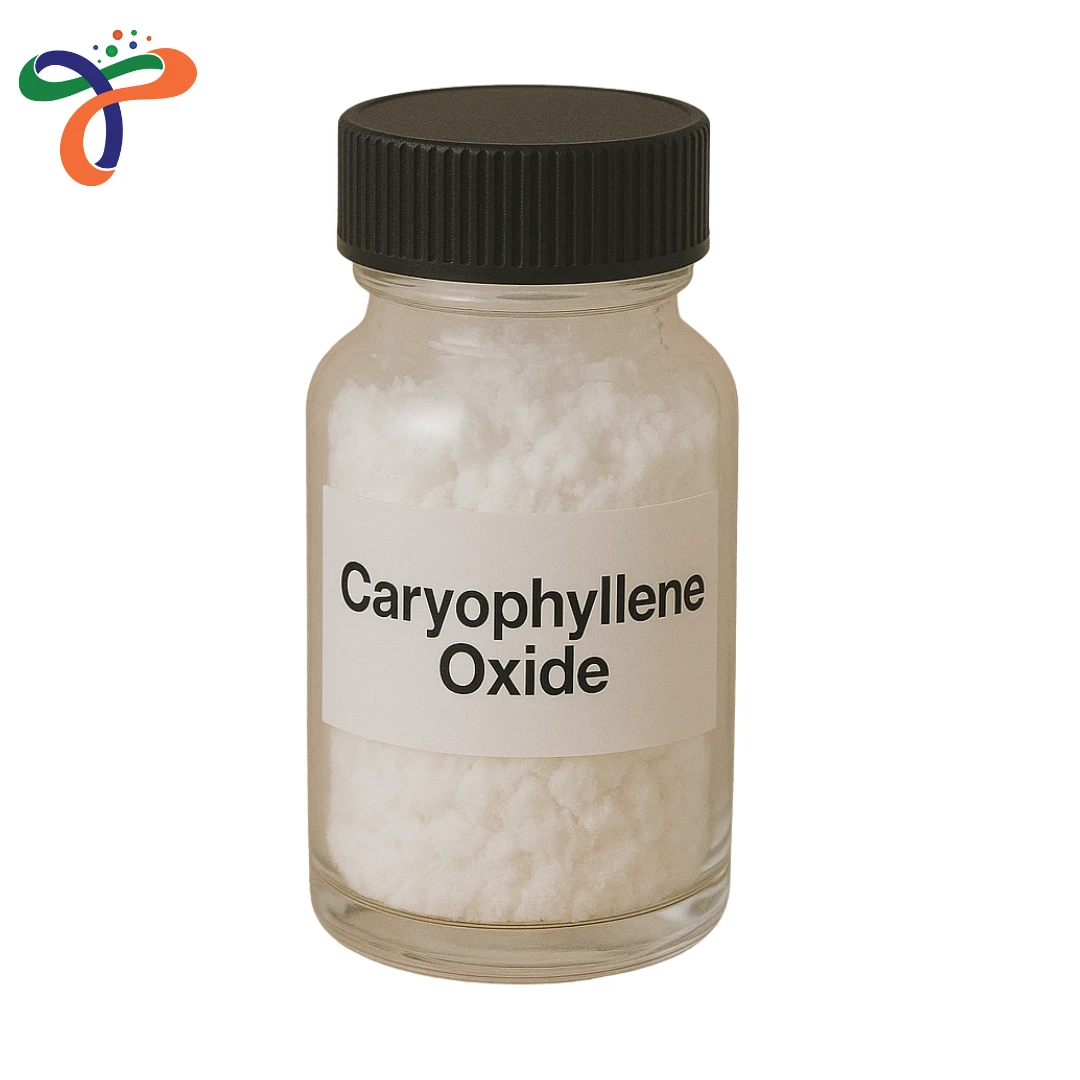
Beta Caryophyllene Oxide | 1139-30-6
Cas No :
1139-30-6
Synonyms :
Form :
Powder
Molecular Weight :
220.35 G/mol
Molecular Formula :
C₁₅H₂₄O
Boiling Point :
301 °c
Melting Point :
301 °c
Flash Point :
>110 °c
Solubility :
Practically Insoluble In Water, Slightly Soluble In Chloroform And Methanol
Description :
Overview of Beta-Caryophyllene Oxide
Beta-Caryophyllene Oxide is a crystalline solid or liquid that is colourless to pale yellow. It has a woody, spicy, and slightly herbal smell. It is an epoxidised version of beta-caryophyllene, which is a sesquiterpene found in the essential oils of many aromatic plants, such as clove, black pepper, oregano, rosemary, cannabis, and others. It has the molecular formula C₁₅H₂₄O, and it can be made by extracting it from plants or by chemically oxidising beta-caryophyllene. It is a tricyclic sesquiterpenoid, which means it has a structure that is very similar to Alpha-Humulene and Bisabolol.
Applications of Beta-Caryophyllene Oxide
Flavour & Fragrance Industry
Beta-Caryophyllene Oxide imparts a complex, woody-spicy note to fine fragrances, incense, and flavour blends. It functions as a middle or base note, adding depth to perfumes and aroma compositions. The compound is often formulated with related terpenoids such as Alpha-Humulene and Linalool, supporting multidimensional olfactive design. In food flavouring, it is sometimes used to mimic the aroma of black pepper, herbs, or spice mixes.
Essential Oils and Personal Care
Beta-Caryophyllene Oxide is present as an active ingredient in many essential oils—clove, cannabis, guava leaf, melissa, and geranium rose-scented oils, among others. Its antimicrobial and aroma-enhancing properties make it desirable in cosmeceutical creams, balms, and anti-dandruff shampoos, often alongside Bisabolol and Limonene.
Pharmaceutical & Therapeutic Research
Experimental studies reveal beta-caryophyllene oxide as a bioactive compound with significant anti-inflammatory, antioxidant, analgesic, anticancer, antiviral, and genoprotective activities. It is a potent inhibitor of drug-metabolising enzymes (especially cytochrome P450 3A family), and demonstrates antifungal and antibacterial effects.
Agricultural and Technical Use
Due to its antimicrobial activity, beta-caryophyllene oxide is evaluated as a natural crop protectant or biopesticide, especially when formulated in blends with essential oils for disease and pest management.
Safety & Handling Guidelines
- Beta-Caryophyllene Oxide has low toxicity via ingestion and skin contact, but skin irritation can occur with prolonged or concentrated exposure.
- Always wear gloves and safety goggles, and use in well-ventilated areas; avoid direct inhalation, ingestion, or eye contact.
- Store in tightly sealed containers at cool temperatures, protected from light and strong oxidisers; maintain stability by minimising exposure to air and heat.
- Wash your hands after handling and avoid eating, drinking, or smoking in work areas.
- For spills, absorb with inert material and ventilate the area thoroughly; beta-caryophyllene oxide can emit acrid smoke and irritating fumes if heated to decomposition.
- Waste and unused material should be disposed of per local environmental regulations; prevent release to water bodies and drains.
- Request and review the Material Safety Data Sheet (MSDS) before bulk use, especially in research or manufacturing settings.
Where to Buy Beta-Caryophyllene Oxide?
Beta-Caryophyllene Oxide Manufacturer in India
ChemicalBull offers natural and synthesised beta-caryophyllene oxide of high purity for fragrance, flavour, personal care, and research applications.
Distributor & Supplier
ChemicalBull reliably supplies bulk and small quantities of beta-caryophyllene oxide with full documentation for cosmetic, technical, and research deployment.
Beta-Caryophyllene Oxide MSDS
Detailed safety, toxicity, environmental, and storage data are available via the Material Safety Data Sheet (MSDS) from ChemicalBull.
Frequently Asked Questions
-
What is beta-caryophyllene oxide used for?
It is used in fragrances, flavourings, essential oils, pharmaceuticals, and agricultural formulations for its aroma, bioactivity, and antimicrobial effects. -
Is beta-caryophyllene oxide safe?
It is generally regarded as safe with low toxicity but may cause mild skin irritation; follow all safety guidelines and recommended concentrations. -
Is beta-caryophyllene oxide naturally occurring?
Yes, it occurs in trace amounts in many essential oils and is also obtained by oxidation of beta-caryophyllene from plant sources.
ChemicalBull supplies Beta Caryophyllene Oxide across India, serving customers in Andhra Pradesh, Arunachal Pradesh, Assam, Bihar, Chhattisgarh, Goa, Gujarat, Haryana, Himachal Pradesh, Jharkhand, Karnataka, Kerala, Madhya Pradesh, Maharashtra, Manipur, Meghalaya, Mizoram, Nagaland, Odisha, Punjab, Rajasthan, Sikkim, Tamil Nadu, Telangana, Tripura, Uttar Pradesh, Uttarakhand, and West Bengal, as well as the Union Territories of Andaman & Nicobar Islands, Chandigarh, Dadra & Nagar Haveli and Daman & Diu, Delhi, Jammu & Kashmir, Ladakh, Lakshadweep, and Puducherry. We serve pharmaceutical, chemical, research, academic, laboratory, manufacturing, and industrial customers with reliable nationwide delivery.