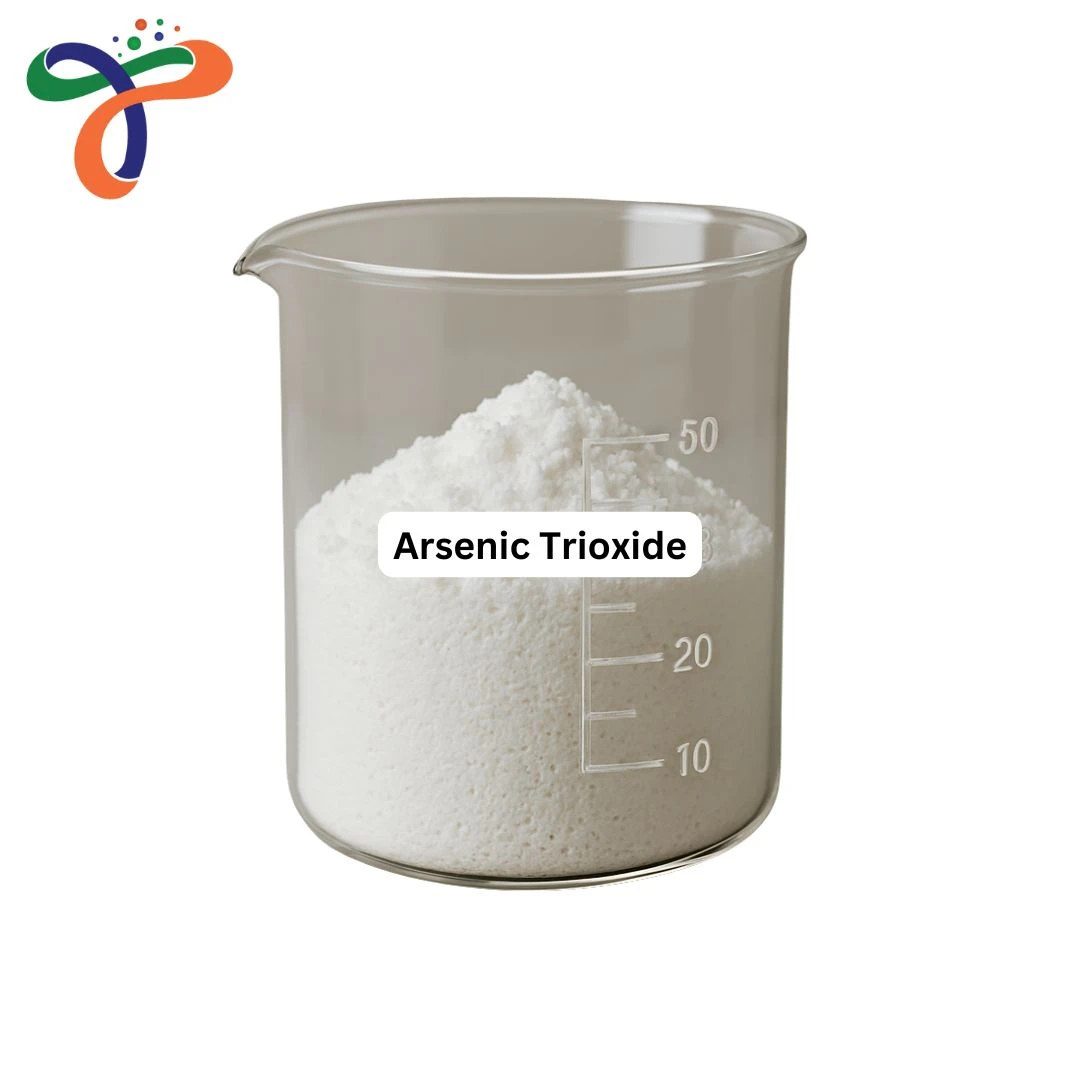
Arsenic Trioxide | 1327-53-3
Cas No :
1327-53-3
Form :
Powder
Molecular Weight :
197.84 G/mol
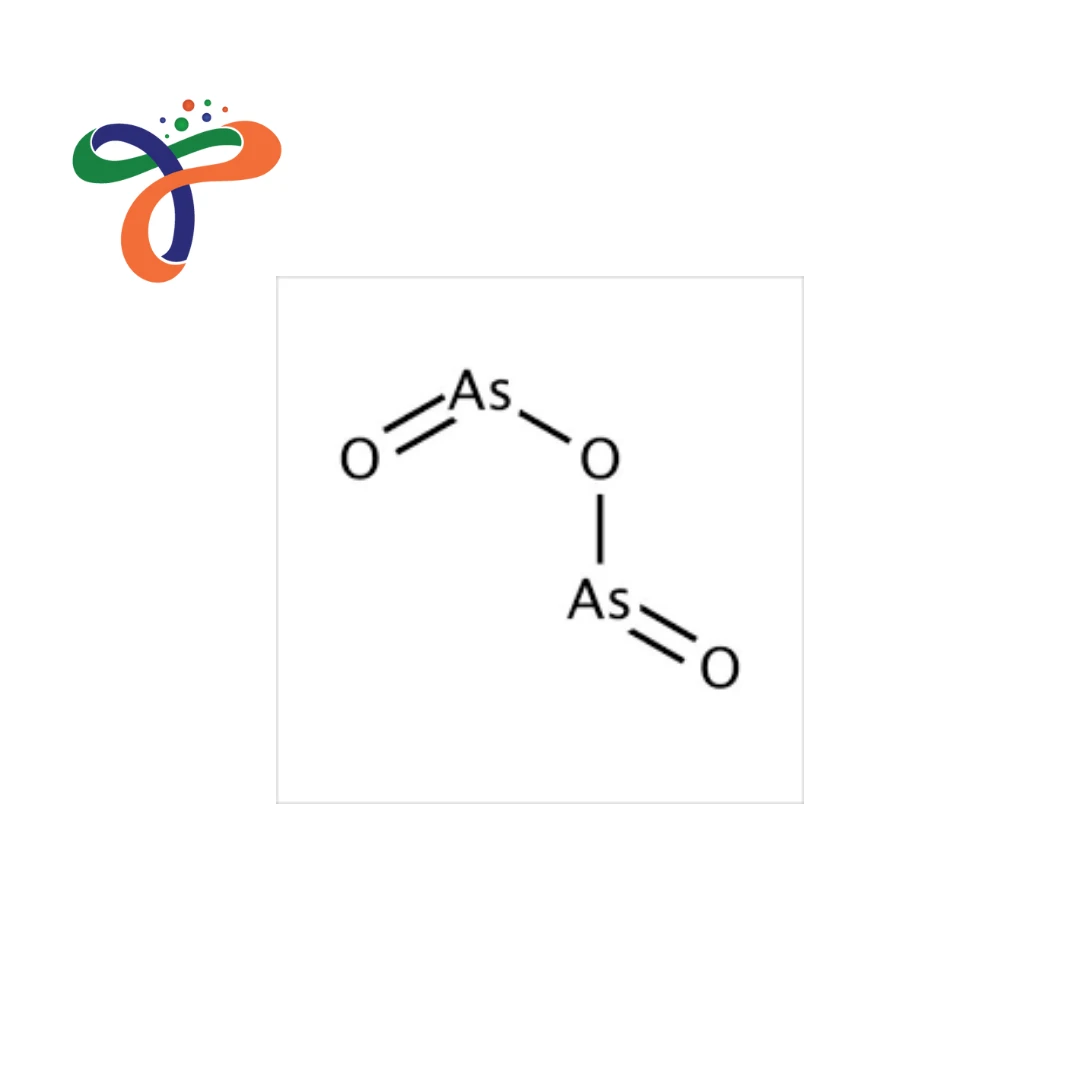
Molecular Formula :
AS2O3
Boiling Point :
460 °c
Melting Point :
313 °c
Description :
Overview of Arsenic Trioxide
Arsenic Trioxide (As2O3) is a white crystalline powder or glassy solid, historically used in various industrial processes but highly toxic. Arsenic trioxide formula is As2O3 (often represented as As4O6 dimeric form).
Arsenic trioxide molecular weight: 197.84 g/mol. Arsenic trioxide solubility: Slightly soluble in water (~20 g/L at 25°C), more in hot water, acids, and alkalis
Applications of Arsenic Trioxide
Industrial and Specialised Use
- Arsenic trioxide uses: Wood preservatives, glass decolorising, pigments, and ceramics
- Arsenic trioxide powder: In froth flotation reagents and specific metallurgical processes
Limited Modern Use
- Limited because of toxicity Use in restricted applications only
Safety and Handling Guidelines
- Protective goggles as well as gloves and attire (respirator necessary)
- Avoid contact with skin to inhalation, contact with skin, or ingestion (highly harmful)
- Only use in an area that has a good ventilation or in a controlled space
- Storage in sealed and labeled containers, away from non-compliant Es
- Be sure to follow MSDS guidelines as well as strict regulations safety procedures
Where to Buy Arsenic Trioxide
Arsenic Trioxide Manufacturer
Arsenic Trioxide Supplier & Distributor
- Bulk supply with COA, TDS & MSDS (subject to regulations)
Arsenic Trioxide MSDS
Provides details on hazards, handling, storage, and emergency precautions
Frequently Asked Questions (FAQs)
-
What is the arsenic trioxide formula?
As2O3, with a molecular weight of 197.84 g/mol. -
What is the solubility of arsenic trioxide?
Slightly soluble in cold water, better in hot water, acids, and alkalis. -
What are the uses of arsenic trioxide in industry?
Primarily in wood preservatives, glass manufacturing, pigments, and as a reagent (highly regulated due to toxicity).