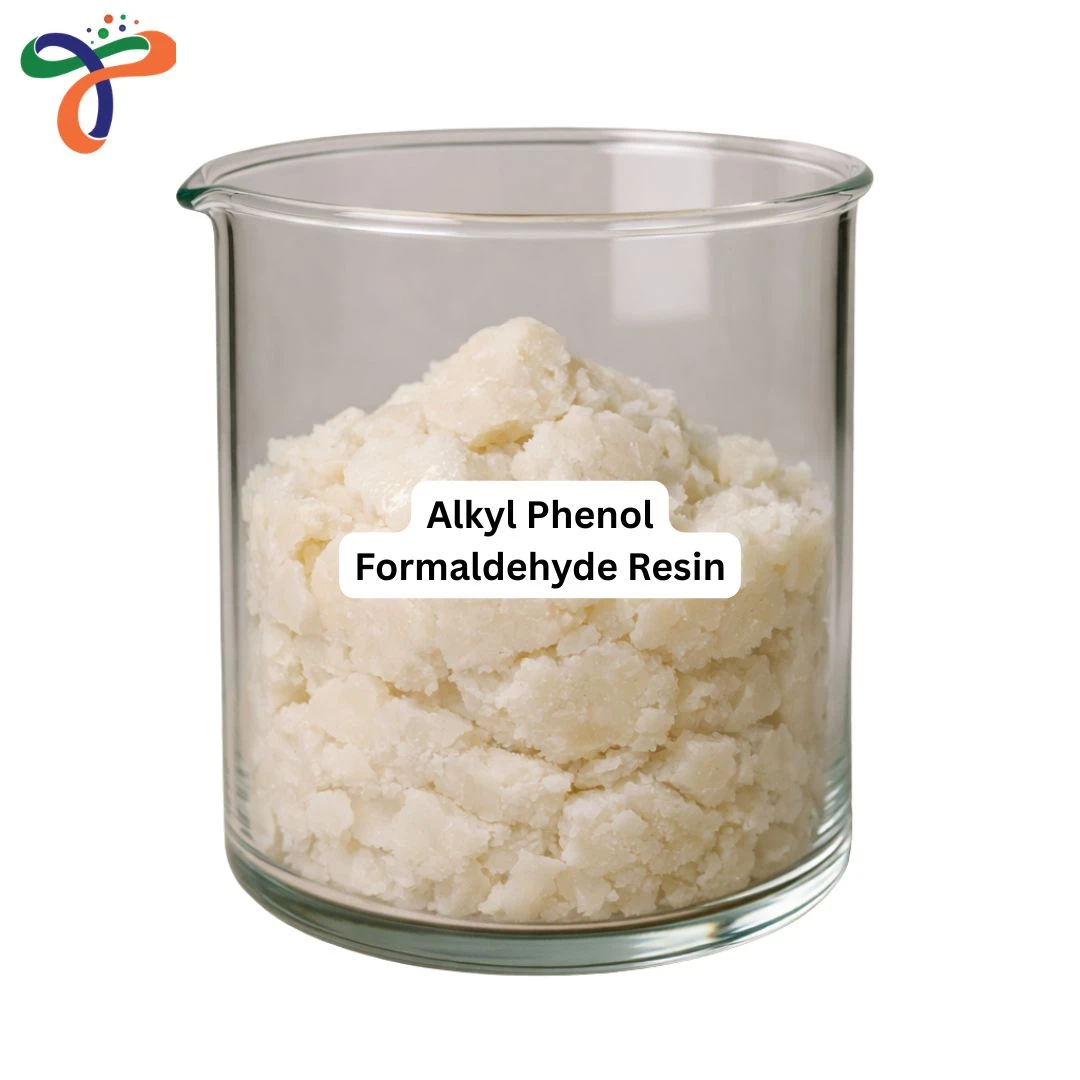
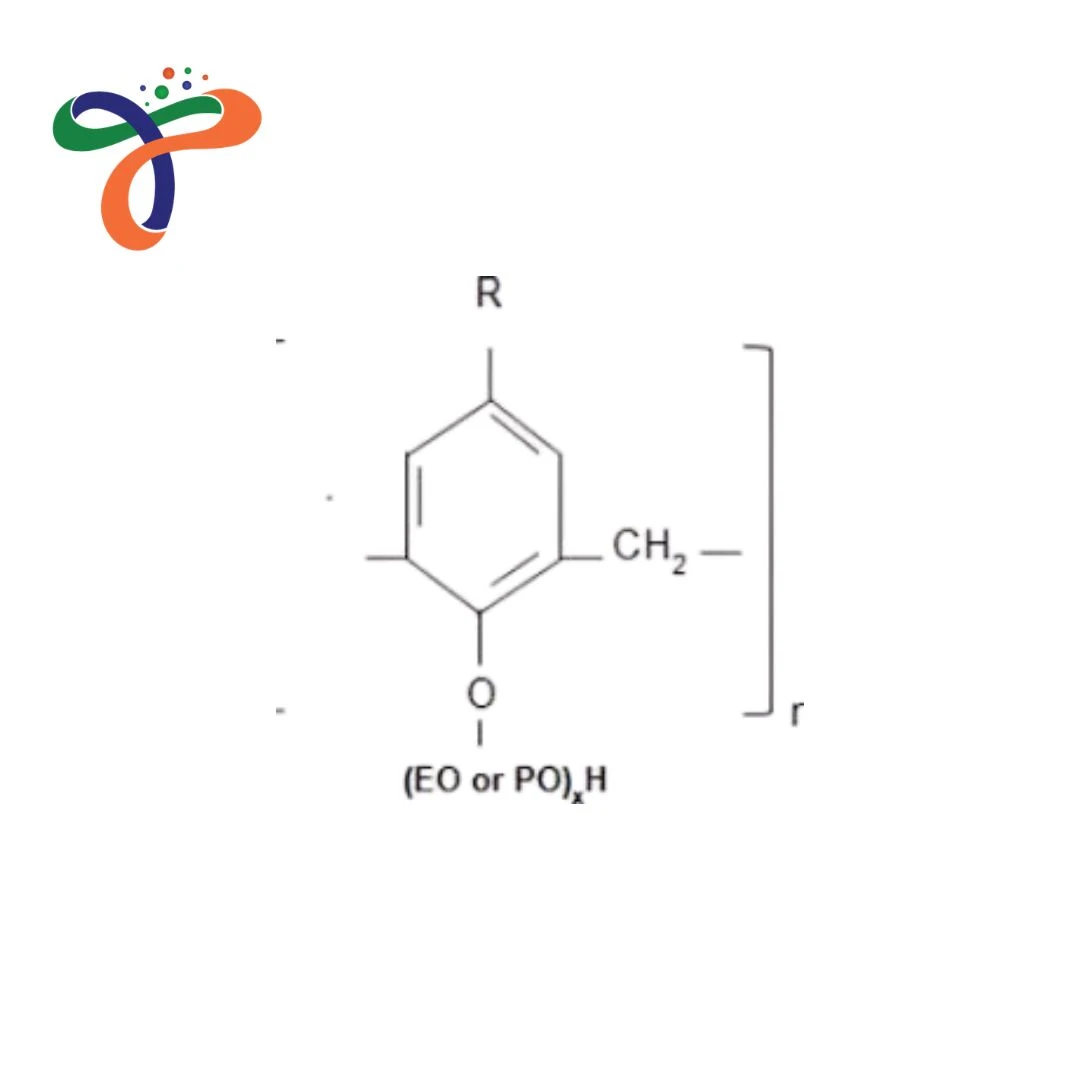
Alkyl Phenol Formaldehyde Resin
Form :
Solid
Molecular Weight :
1200 G/mol
Boiling Point :
350 °c
Melting Point :
110 °c
Flash Point :
230 °c
Solubility :
Insoluble In Water; Soluble In Acetone, Toluene, Xylene
Description :
Overview of Alkyl Phenol Formaldehyde Resin
Alkyl Phenol Formaldehyde Resin is a high-performance thermosetting resin widely used in rubber compounding, adhesives, coatings, and plastic processing. It is known for its excellent tackiness, adhesion strength, thermal stability, and chemical resistance, making it essential for industrial bonding and elastomer modification.
At ChemicalBull Pvt. Ltd., a trusted industrial chemical supplier & bulk resin distributor, we supply Alkyl Phenol Formaldehyde Resin in bulk with consistent quality, ensuring reliable performance for plastic, rubber, and industrial manufacturing applications.
Applications of Alkyl Phenol Formaldehyde Resin
Rubber & Tyre Adhesion Systems
Alkyl Phenol Formaldehyde Resin is widely used as a tackifier and reinforcing resin in rubber compounds, improving adhesion between rubber layers and reinforcement materials. It enhances durability and performance in tyre manufacturing.
It works effectively with Zinc Acrylate / Zinc EDTA, improving bonding strength and structural stability in high-performance rubber formulations.
Adhesives & Pressure-Sensitive Systems
This resin is commonly used in adhesives and pressure-sensitive formulations, where it provides high tack, bonding strength, and durability.
It complements materials like Hydrogenated C5 Hydrocarbon Resin, improving adhesion performance and compatibility in industrial adhesive systems.
Plastic Processing & Thermosetting Applications
In plastic processing, Alkyl Phenol Formaldehyde Resin is used to improve mechanical strength, heat resistance, and dimensional stability in thermosetting polymers.
It works alongside Pentaerythritol Stearate, enhancing lubrication and processing efficiency in polymer compounding.
Coatings & Surface Protection
The resin is used in industrial coatings to improve chemical resistance, hardness, and adhesion to substrates, making it suitable for protective coatings.
It integrates well with Vinyltrimethoxysilane, enhancing surface bonding and durability in coating systems.
Specialty Chemical & Industrial Formulations
Alkyl Phenol Formaldehyde Resin is used in specialty formulations, including sealants, inks, and elastomer modifiers, improving performance and stability.
It can be combined with Polybutene 1300, supporting viscosity control and flexibility in industrial formulations.
Safety & Handling Guidelines
- Store in a cool, dry, well-ventilated environment
- Use PPE (gloves, goggles, protective clothing)
- Avoid prolonged exposure and inhalation
- Keep away from incompatible substances
- Follow MSDS guidelines for safe handling
Where to Buy Alkyl Phenol Formaldehyde Resin?
Alkyl Phenol Formaldehyde Resin Manufacturer
Sourced from reputed global manufacturers ensuring consistent quality and industrial-grade performance.
Alkyl Phenol Formaldehyde Resin Supplier & Distributor
ChemicalBull Pvt. Ltd. – Leading industrial chemical supplier, bulk resin distributor, and trusted partner for plastic & rubber chemical solutions.
Alkyl Phenol Formaldehyde Resin MSDS
Available on request with detailed information on hazard identification, safe handling, storage conditions, and exposure control measures.
Ensures compliance with industrial safety standards for secure transportation and bulk industrial usage.
Frequently Asked Questions
-
How does Alkyl Phenol Formaldehyde Resin improve rubber bonding performance?
It acts as a tackifier that enhances adhesion between rubber layers and reinforcement materials, improving overall durability. -
Is this resin suitable for pressure-sensitive adhesive formulations?
Yes, it provides strong tack and bonding strength, making it ideal for adhesive systems. -
Can it be used in thermosetting plastic applications?
Yes, it improves heat resistance and structural stability in thermoset polymer systems. -
What role does it play in industrial coatings?
It enhances adhesion, chemical resistance, and durability of protective coatings. -
What parameters should be evaluated before purchasing this resin?
Buyers typically assess softening point, viscosity, compatibility, and application-specific performance.
ChemicalBull supplies Alkyl Phenol Formaldehyde Resin across India, serving customers in Andhra Pradesh, Arunachal Pradesh, Assam, Bihar, Chhattisgarh, Goa, Gujarat, Haryana, Himachal Pradesh, Jharkhand, Karnataka, Kerala, Madhya Pradesh, Maharashtra, Manipur, Meghalaya, Mizoram, Nagaland, Odisha, Punjab, Rajasthan, Sikkim, Tamil Nadu, Telangana, Tripura, Uttar Pradesh, Uttarakhand, and West Bengal, as well as the Union Territories of Andaman & Nicobar Islands, Chandigarh, Dadra & Nagar Haveli and Daman & Diu, Delhi, Jammu & Kashmir, Ladakh, Lakshadweep, and Puducherry. We serve pharmaceutical, chemical, research, academic, laboratory, manufacturing, and industrial customers with reliable nationwide delivery.