
Thioacetic Acid | 0507-09-05
Cas No :
0507-09-05
Form :
Liquid
Molecular Weight :
76.12 g/mol
Molecular Formula :
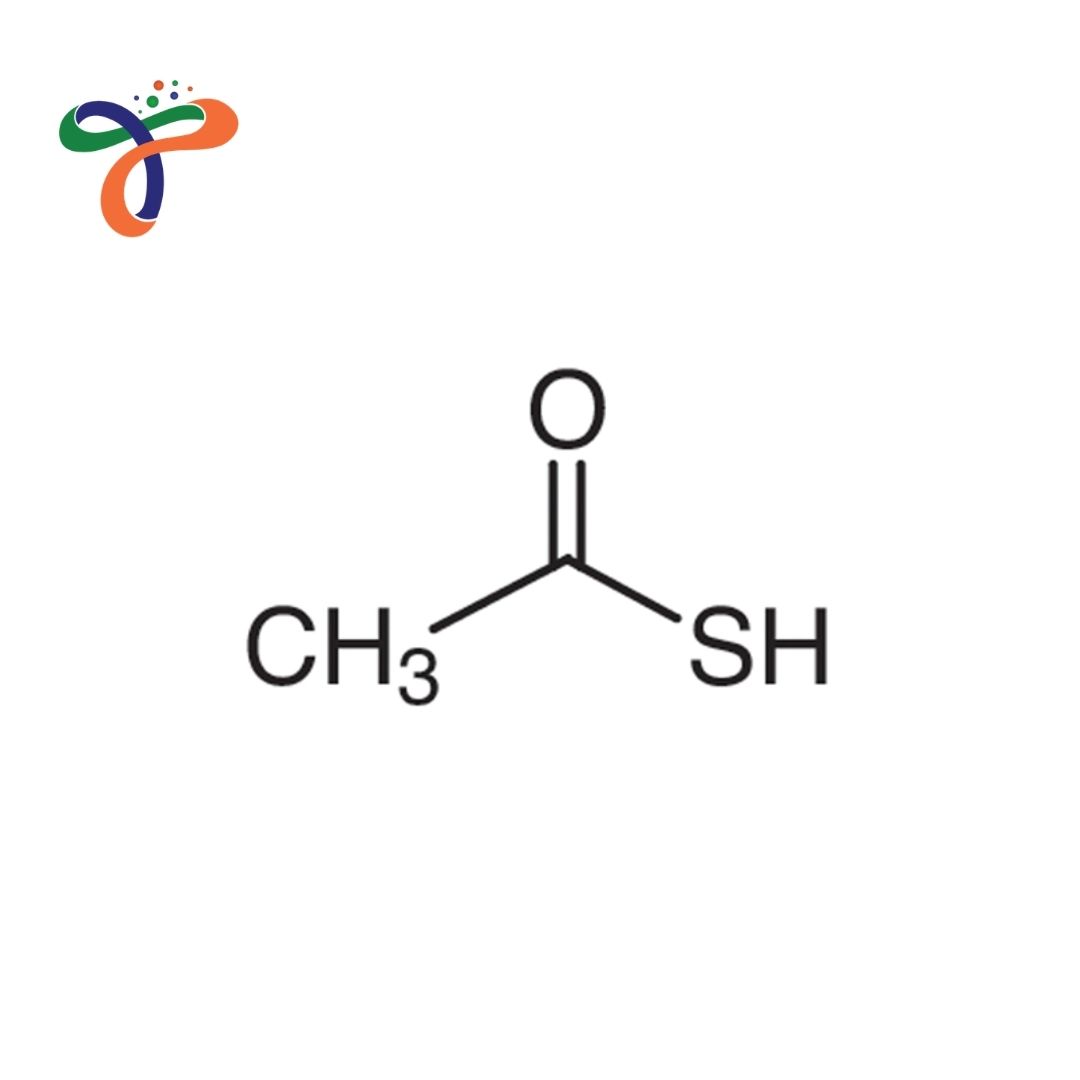
C2H4OS
Boiling Point :
78 °C
Melting Point :
-60 °C
Flash Point :
-5 °C
Solubility :
Miscible with water
Description :
Thioacetic Acid Manufacturers & Suppliers
Thioacetic Acid (C2H4OS) is an uncolored to light yellow liquid, with an odor that is sulfuric and pungent. It's a sulfur derivative of Acetic Acid, with the Thiol (-SH) functional element instead of the long-lasting hydroxyl (-OH) groups. Thioacetic Acid is extensively used for Organic Synthesis as well as chemical production because of its high reactivity, especially in the formation of thioesters, sulfur-containing intermediates, and other special chemicals. The fact that it is solubilized in organic solvents allows it to be used for a variety of industrial and laboratory applications.
Applications of Thioacetic Acid
Chemical Intermediate:
Thioacetic Acid is mainly used as a building block for organic chemical synthesis. It can react with amines, alcohols, and other amines to create thioesters. These constitute essential pharma intermediates in the synthesis of chemicals.
Pharmaceutical Industry:
It's used to make sulfur-containing compounds, intermediates, and bioactive molecules. Reactivity enables chemical engineers to synthesize groups of thiols from molecules. This is essential for the design of compounds and functionalization.
Agrochemical Industry:
Thioacetic Acid can be used as an ingredient in the manufacture of herbicides, pesticides, and fungicides. Thioesters made from it act as the primary intermediates for Agrochemical formulations.
Research & Laboratory Applications:
It is widely used in the chemical research and development labs to study thiol chemistry, the formation of thioesters, as well as functional group transformations that contain sulfur. It is the most commonly used ingredient in the synthetic organic chemical protocol.
Polymer & Material Science:
Utilized in the production of sulfur-containing polymers, compounds as well as specialty substances that need an active thiol or thioester function.
Formulation Advantages:
Thioacetic Acid's high reactivity, solubility in organic solvents, and ability to introduce thiol groups make it an invaluable reagent for chemical synthesis and industrial applications.
Safety & Handling Guidelines
-
Wear protective gloves, goggles, and a laboratory coat if you are dealing with Thioacetic Acid.
-
Utilize a ventilated fume hood to ensure that you do not breathe in the of the vapors.
-
Store in tightly sealed containers in a cool, dry area, far from moisture, heat, and potent chemical oxidizing agents.
-
Beware of eye and skin contact. If there is contact with the skin, rinse thoroughly using water, and consult a doctor if you need to.
-
Thioacetic Acid is highly flammable and has an unpleasant, irritating odor.. Be sure to handle it with care.
Where to Buy Thioacetic Acid?
Thioacetic Acid Manufacturer in India:
ChemicalBull creates the highest purity Thioacetic Acid, ideal for pharmaceuticals chemicals.
Thioacetic Acid Supplier in Vapi:
It is available in both large and small quantities, packaged safely and distributed throughout Vapi.
Thioacetic Acid Distributor in Vapi:
ChemicalBull offers worldwide and global distribution, with affordable prices and custom packaging solutions that cater to different industries.
Thioacetic Acid MSDS
For detailed information regarding hazards, handling precautions, toxicity, and environmental impact, request the official Material Safety Data Sheet (MSDS) for Thioacetic Acid.
Frequently Asked Questions
-
Where can I buy Thioacetic Acid?
You can purchase it from ChemicalBull, a trusted supplier and distributor of Pharmaceutical chemicals and chemical intermediates. -
What is Thioacetic Acid used for?
It is primarily used as a chemical intermediate in the synthesis of thioesters, pharmaceuticals, agrochemicals, and sulfur-containing specialty chemicals. -
Is Thioacetic Acid safe to use?
It is safe when handled with proper protective measures, ventilation, and adherence to laboratory safety protocols. Avoid direct contact and inhalation. -
Can it be used in pharmaceuticals?
Yes, it is used as a precursor for sulfur-containing drugs and bioactive molecules in medicinal chemistry. -
Is Thioacetic Acid water-soluble?
It is partially soluble in water and highly soluble in organic solvents, making it versatile for organic synthesis applications.
ChemicalBull supplies Thioacetic Acid across India, serving customers in Andhra Pradesh, Arunachal Pradesh, Assam, Bihar, Chhattisgarh, Goa, Gujarat, Haryana, Himachal Pradesh, Jharkhand, Karnataka, Kerala, Madhya Pradesh, Maharashtra, Manipur, Meghalaya, Mizoram, Nagaland, Odisha, Punjab, Rajasthan, Sikkim, Tamil Nadu, Telangana, Tripura, Uttar Pradesh, Uttarakhand, and West Bengal, as well as the Union Territories of Andaman & Nicobar Islands, Chandigarh, Dadra & Nagar Haveli and Daman & Diu, Delhi, Jammu & Kashmir, Ladakh, Lakshadweep, and Puducherry. We serve pharmaceutical, chemical, research, academic, laboratory, manufacturing, and industrial customers with reliable nationwide delivery.