Overview of Tetrachloro-1,4-Benzoquinone (Chloranil)
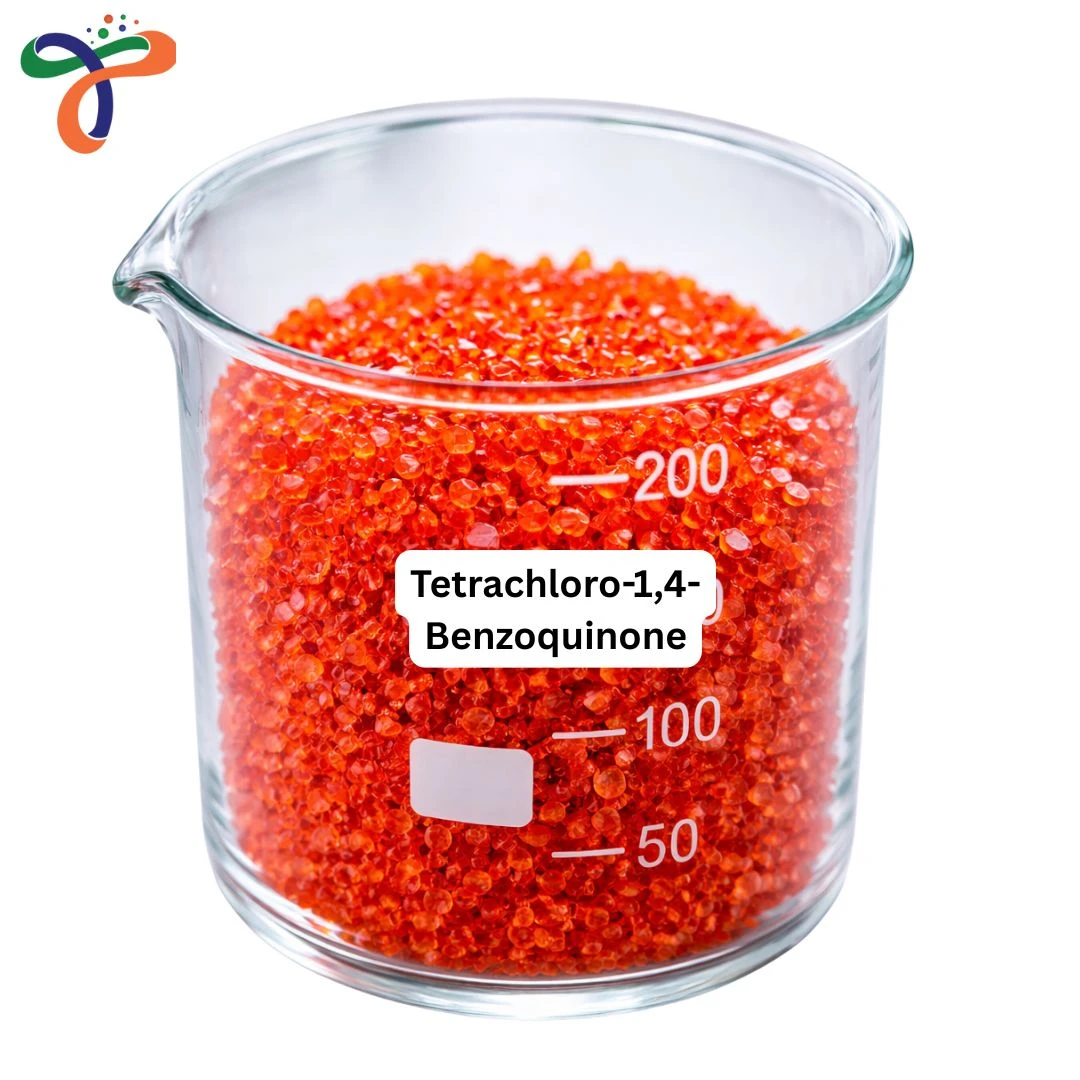
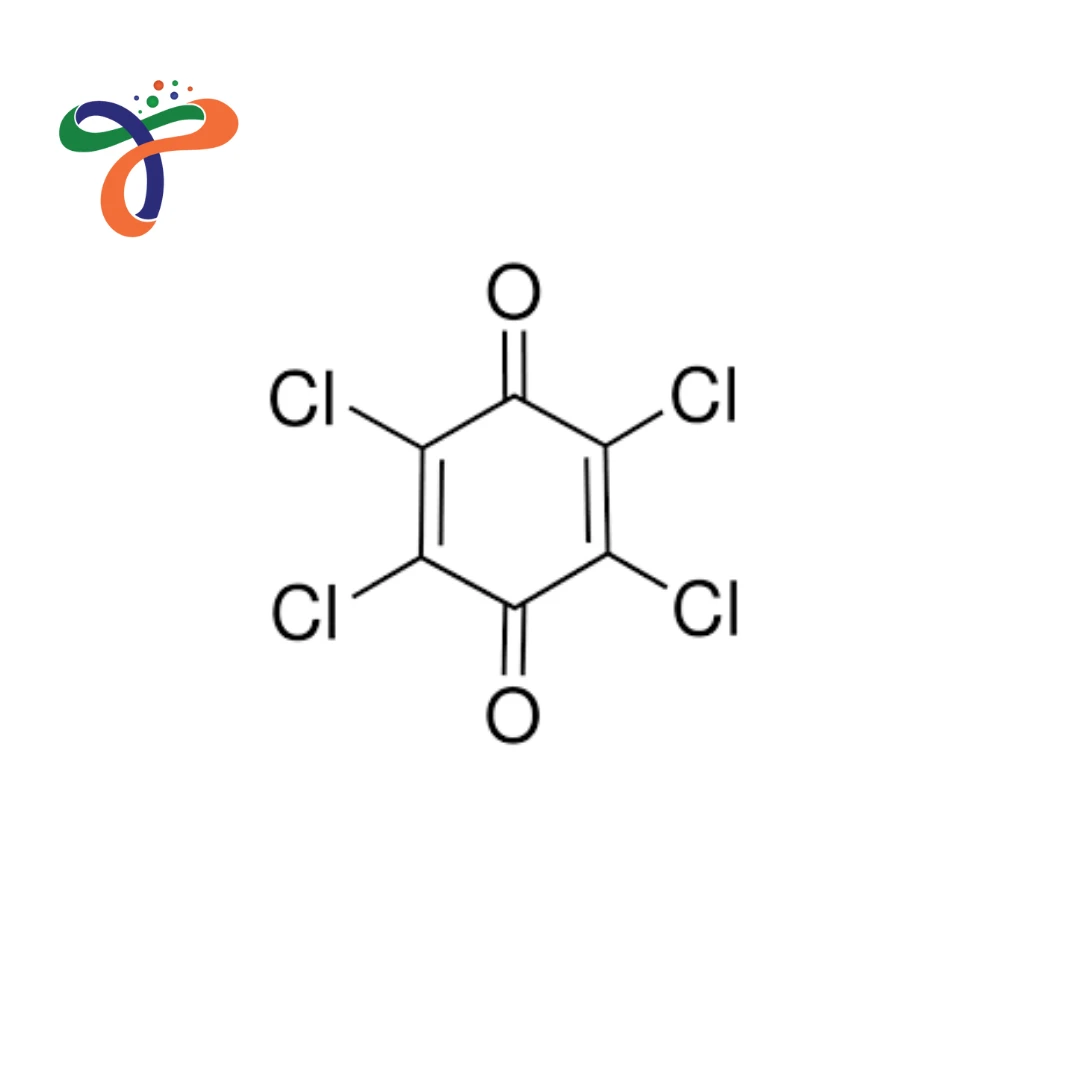
Tetrachloro-1,4-Benzoquinone (CAS: 106-36-5), widely known as Chloranil, is a chlorinated quinone compound appearing as a dark green to yellow crystalline solid. It is also recognized by its synonyms such as Chloranil Quinone, Tetrachloroquinone, and Perchloro-p-benzoquinone.
This compound is a strong electron acceptor and oxidizing agent, making it highly valuable in industrial chemical processes, especially in redox reactions and organic synthesis. Due to its high electrophilic nature, Chloranil plays a critical role in polymer chemistry, dye manufacturing, and pharmaceutical intermediate production.
As part of our Industrial Chemicals category, this product is widely used across multiple industries requiring high-performance oxidizing agents and quinone derivatives.
At ChemicalBull, we supply high-purity Chloranil suitable for industrial-scale applications.
Related Products: 1,4-Benzoquinone,
Applications of Tetrachloro-1,4-Benzoquinone (Chloranil)
Organic Synthesis & Redox Chemistry
Tetrachloro-1,4-Benzoquinone is extensively used as a powerful oxidizing agent in organic reactions. It acts as an electron acceptor in redox processes and supports oxidative coupling reactions.
It is widely applied in the synthesis of advanced intermediates and is frequently used in Organic Chemical Applications for developing high-value compounds.
Dye & Pigment Manufacturing
Chloranil is an important raw material in the production of quinone-based dyes and pigments. It helps in achieving excellent color stability, lightfastness, and durability in textile and plastic industries.
It is commonly used within Dye Industry Applications for producing high-performance colorants.
Chemical Sensors & Analytical Chemistry
Due to its electron-accepting properties, Chloranil is used in the preparation of chemical sensors and analytical reagents.
It plays a key role in detecting oxidizing and reducing agents in environmental and laboratory analysis, especially in Analytical Applications.
Pharmaceutical & Agrochemical Industry
This compound is used in the synthesis of pharmaceutical intermediates and biologically active molecules.
It is also utilized in agrochemical formulations, contributing to the development of pesticides and fungicides under Pharma Applications.
Polymer Chemistry & Electronics
Chloranil is used in the development of conductive polymers and electronic materials, including organic semiconductors.
It supports polymerization processes and is applied in advanced materials used in electronics such as OLEDs and TFTs under Polymer Applications.
Safety & Handling Guidelines
- Use protective equipment such as gloves, goggles, and lab coats
- Handle in a well-ventilated or fume hood environment
- Avoid inhalation, ingestion, and direct skin contact
- Store in a cool, dry place in tightly sealed containers
- Keep away from moisture, strong acids, and oxidizing agents
Tetrachloro-1,4-Benzoquinone (Chloranil) MSDS
- May cause irritation to skin, eyes, and respiratory system
- Use proper PPE while handling
- Avoid exposure and follow industrial safety protocols
- In case of spill, follow MSDS cleanup procedures
- Refer to MSDS for detailed first aid and fire safety measures
Where to Buy Tetrachloro-1,4-Benzoquinone (Chloranil)?
Tetrachloro-1,4-Benzoquinone Manufacturer
ChemicalBull is a reliable manufacturer and exporter of high-quality Chloranil for industrial applications including synthesis, dyes, and polymers.
Tetrachloro-1,4-Benzoquinone Supplier & Distributor
- Available in bulk and lab-scale packaging
- Suitable for industrial and commercial use
- COA, MSDS, and technical documents available
- Global supply with fast delivery
Frequently Asked Questions (FAQs)
-
What is the molecular formula of Tetrachloro-1,4-Benzoquinone (Chloranil)?
Molecular Formula: C₆H₂Cl₄O₂
Molecular Weight: 245.88 g/mol -
What are the synonyms of Chloranil?
Chloranil is also known as Tetrachloroquinone, Chloranil Quinone, and Perchloro-p-benzoquinone. -
What is Tetrachloro-1,4-Benzoquinone used for?
It is used in organic synthesis, dye manufacturing, polymer chemistry, analytical chemistry, and pharmaceutical intermediates.