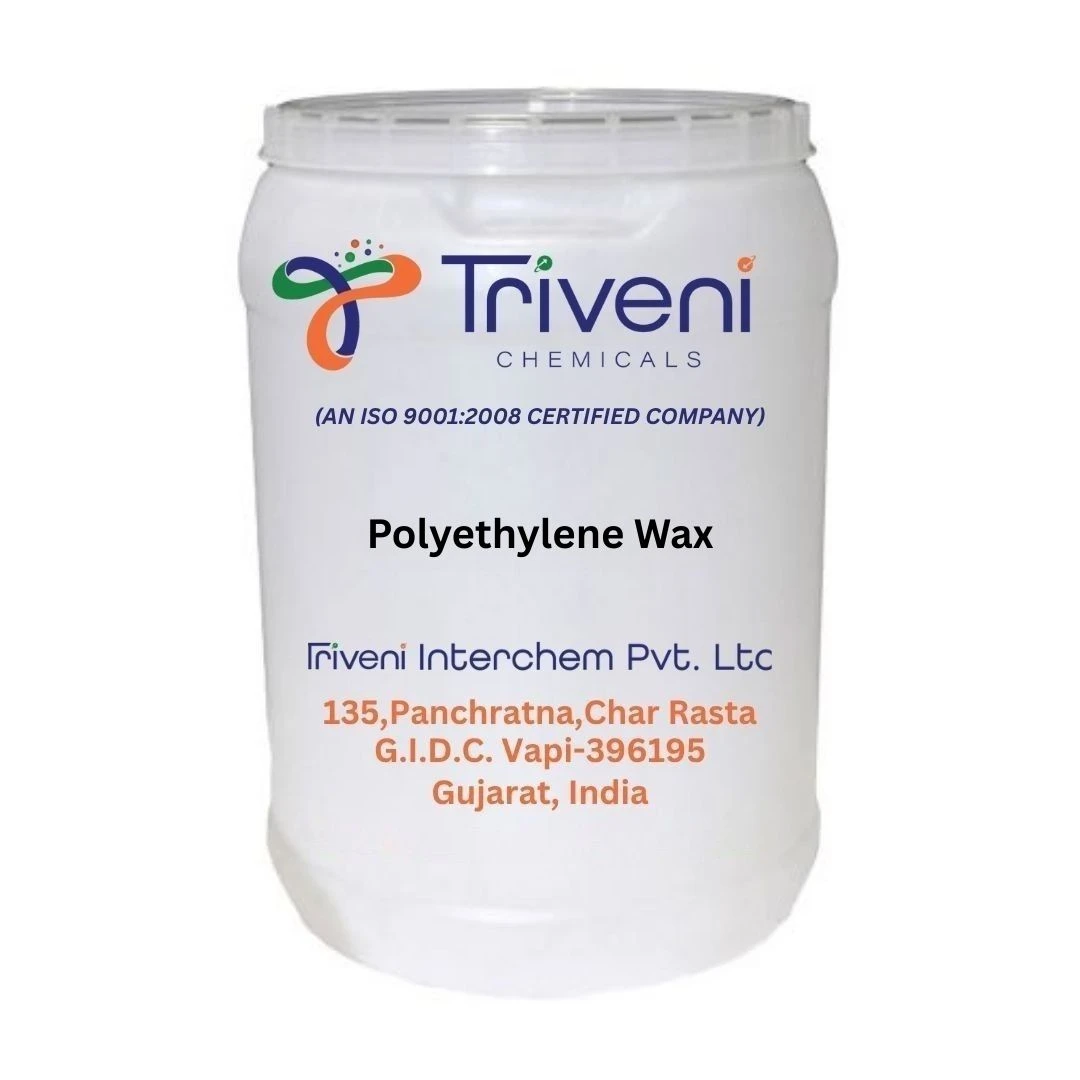
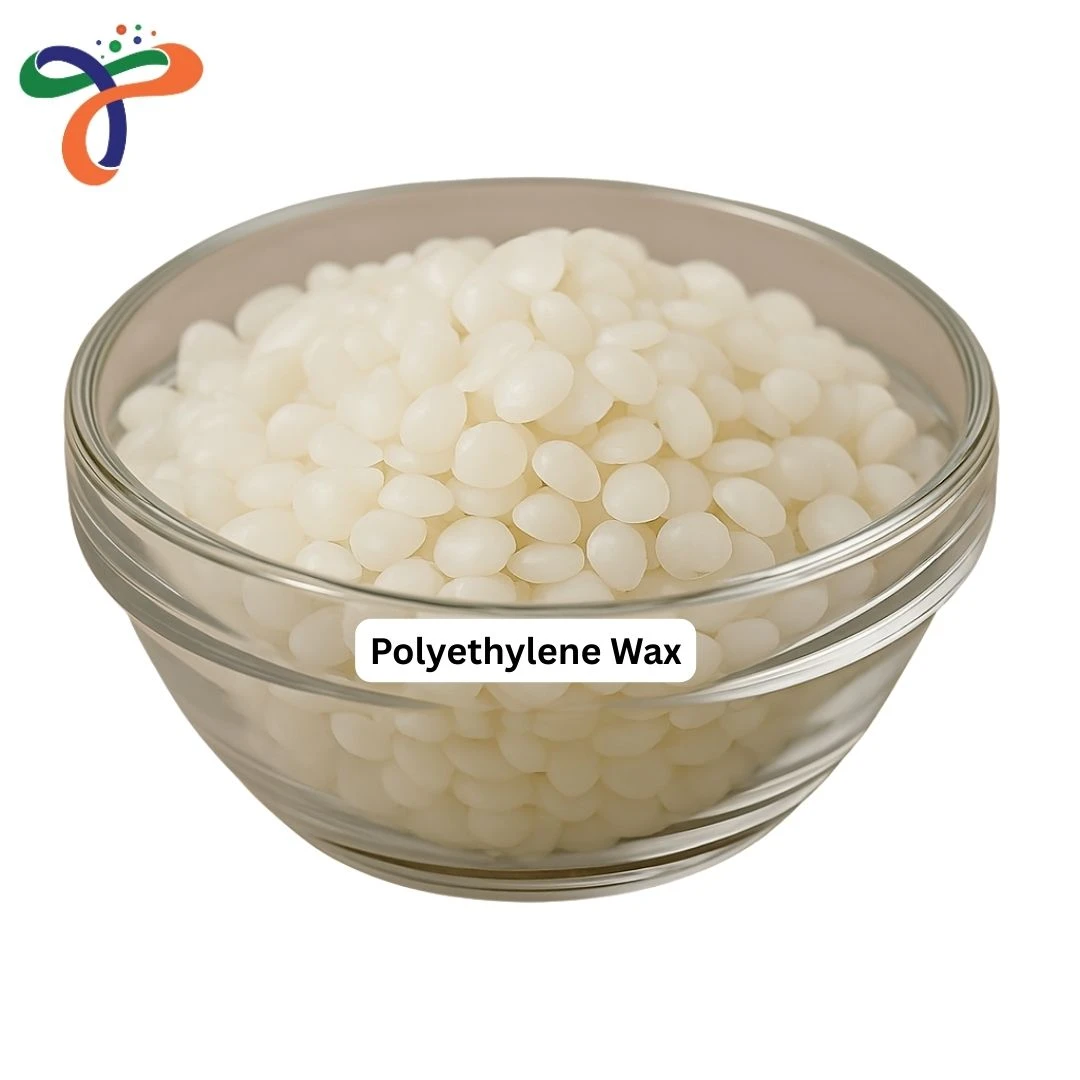
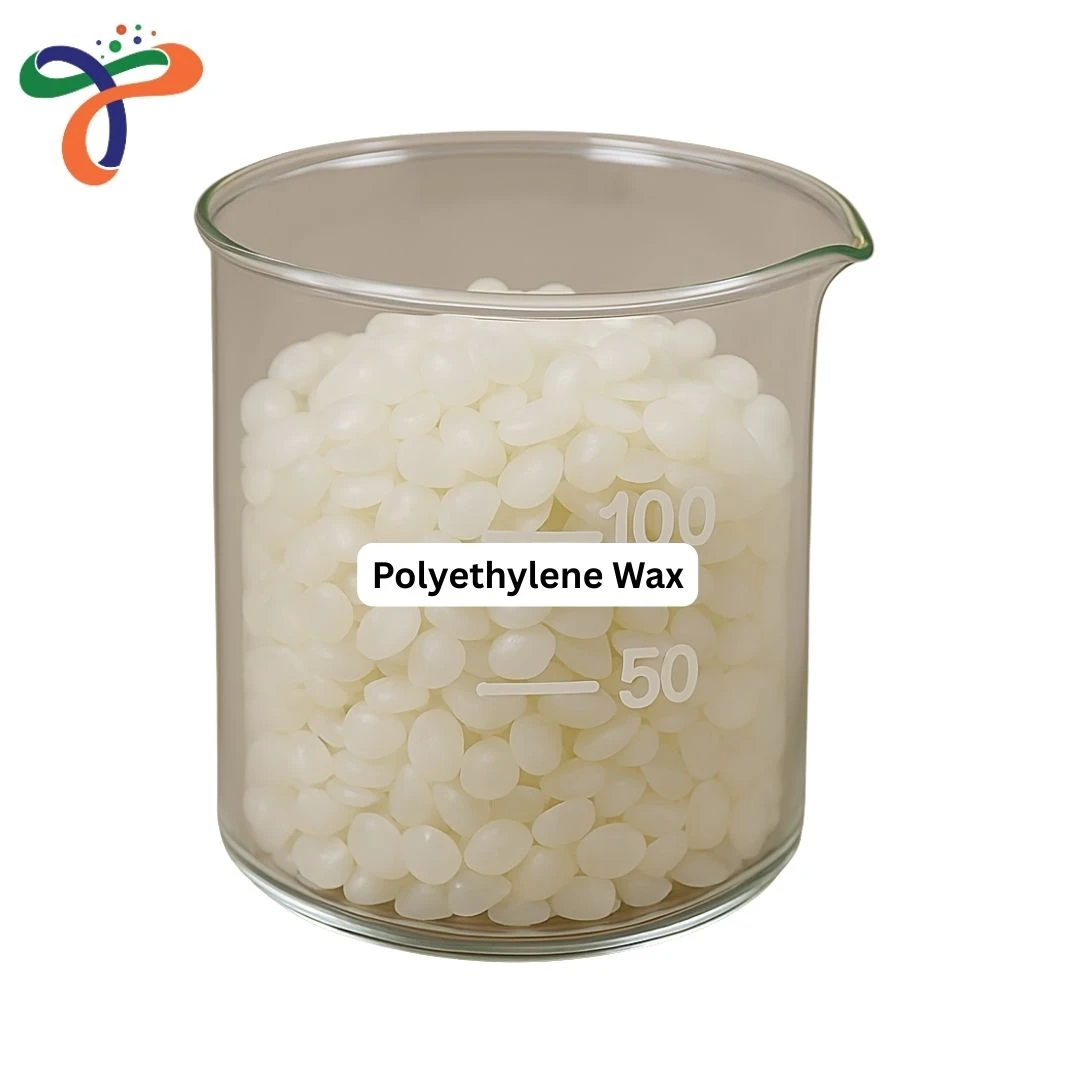
Polyethylene Wax
Form :
Powder
Description :
Overview of Polyethylene Wax
The polyethylene wax (PE wax) is a totally saturated low molecular weight polyethylene Polymer. It's used to disperse, lubricate as well as a processing aid in rubber, plastics and coatings. PE wax can be found in the form of prills, flakes, or as a powder. It has melting points ranging between 90 and 120 degrees Celsius.
It has high hardness and low viscosity, which help improve melt flow, surface finish, and prevent blocking. Made from ethylene polymerization, PE wax boosts product quality in masterbatches, adhesives, and inks without changing mechanical properties.
Applications of Polyethylene Wax
Plastics & Masterbatch
PE wax serves as an internal/external lubricant in PVC, PE, PP extrusion and injection molding, reducing friction, improving dispersion of fillers/pigments, and acting as a dispersant. Use with Zinc Stearate for PVC stabilization or 1,4-Butanediol in polymers.
Rubber, Coatings & Adhesives
In rubber, it aids dispersion, anti-sticking, demolding, and ozone protection; in coatings/inks, provides scratch resistance, matting, and anti-settling; in hot-melt adhesives, boosts cohesion. Accelerate related resins with Cobalt Octoate; see categories or applications.
Other Industrial Uses
As polish additive, textile softener, or PVC stabilizer; find more at homepage.
Safety & Handling Guidelines
- Store PE wax in a cool, dry, and well-ventilated place. Keep it away from heat, flames, strong oxidizers, and humidity.
- Wear gloves, goggles, and a dust mask when handling PE wax. Molten wax can cause burns, and dust may irritate your eyes, skin, or respiratory system.
- PE wax is non-toxic and non-hazardous. Dispose of it as non-dangerous waste according to local regulations.
Where to Buy Polyethylene Wax?
Polyethylene Wax Manufacturer
PE wax is made for plastics processing, rubber compounding, coatings, and adhesives. It is available in different grades to match specific viscosities and drop points.
Polyethylene Wax Supplier & Distributor
PE wax is supplied in 25kg bags or as flakes for bulk use in masterbatch, paint, and rubber industries.
ChemicalBull provides reliable PE wax for plastic and rubber applications, ensuring consistent quality.
Polyethylene Wax MSDS
The MSDS shows that PE wax is low hazard. It recommends good ventilation when handling dust or molten wax.
Frequently Asked Questions (FAQs)
-
What is Polyethylene Wax used for?
PE wax is used as a lubricant in plastics and rubber processing, a dispersant in masterbatches, a matting agent in coatings, and a modifier in adhesives. -
What is the difference between paraffin wax and polyethylene wax?
PE wax has a higher melting point (100-120°C), greater hardness, better chemical resistance, and more consistent properties compared to paraffin wax, -
What is another name for polyethylene wax?
Other names for polyethylene wax include PE wax, polymer wax, or low molecular weight polyethylene. -
What is the alternative to Polyethylene Wax?
Alternatives to polyethylene wax include paraffin wax, Fischer-Tropsch wax, or oxidized PE wax. The best choice depends on your application needs, such as cost or melting range. -
Is Polyethylene Wax safe for handling?
Yes, PE wax has low toxicity. Avoid contact with molten wax and do not inhale the dust.
ChemicalBull supplies Polyethylene Wax across India, serving customers in Andhra Pradesh, Arunachal Pradesh, Assam, Bihar, Chhattisgarh, Goa, Gujarat, Haryana, Himachal Pradesh, Jharkhand, Karnataka, Kerala, Madhya Pradesh, Maharashtra, Manipur, Meghalaya, Mizoram, Nagaland, Odisha, Punjab, Rajasthan, Sikkim, Tamil Nadu, Telangana, Tripura, Uttar Pradesh, Uttarakhand, and West Bengal, as well as the Union Territories of Andaman & Nicobar Islands, Chandigarh, Dadra & Nagar Haveli and Daman & Diu, Delhi, Jammu & Kashmir, Ladakh, Lakshadweep, and Puducherry. We serve pharmaceutical, chemical, research, academic, laboratory, manufacturing, and industrial customers with reliable nationwide delivery.