
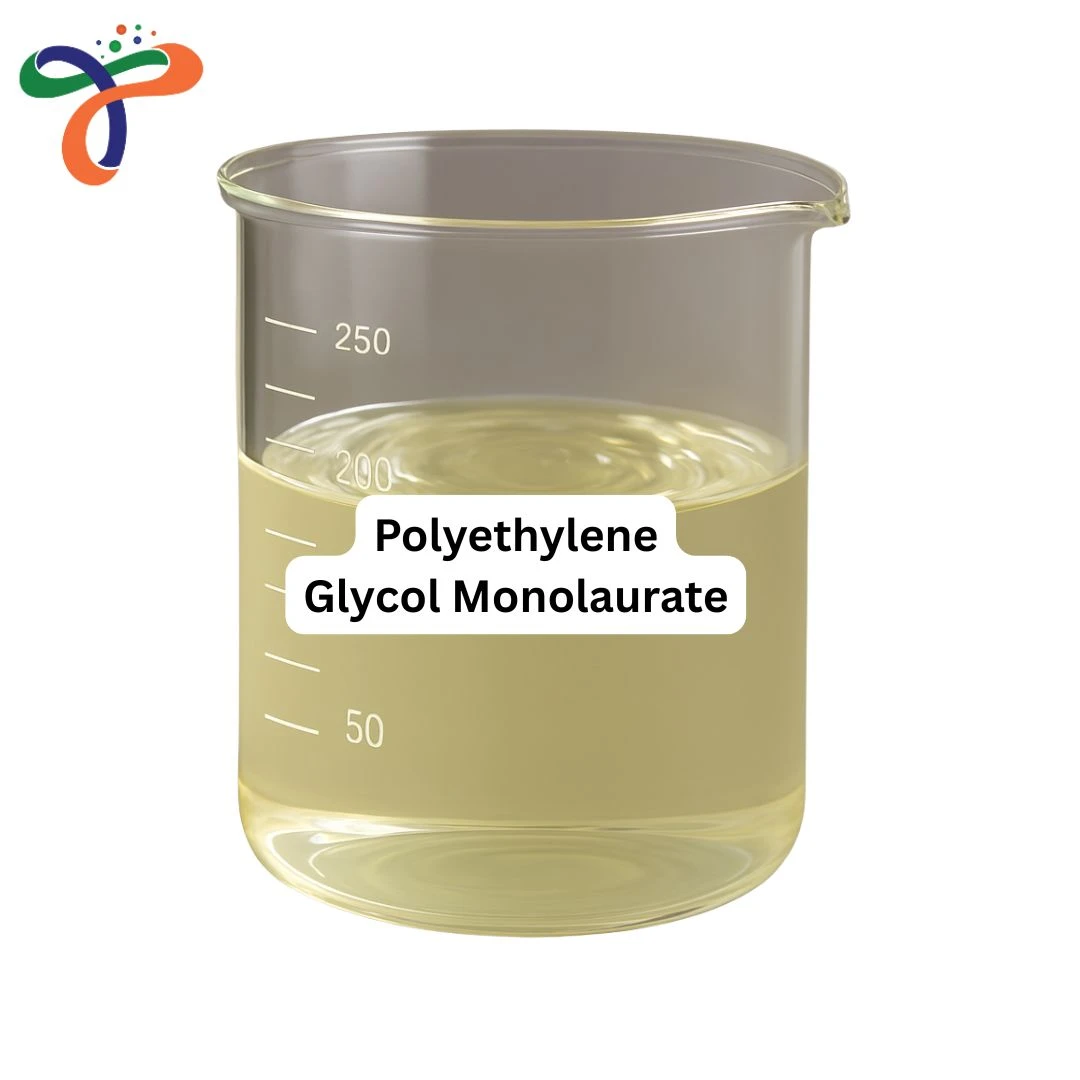
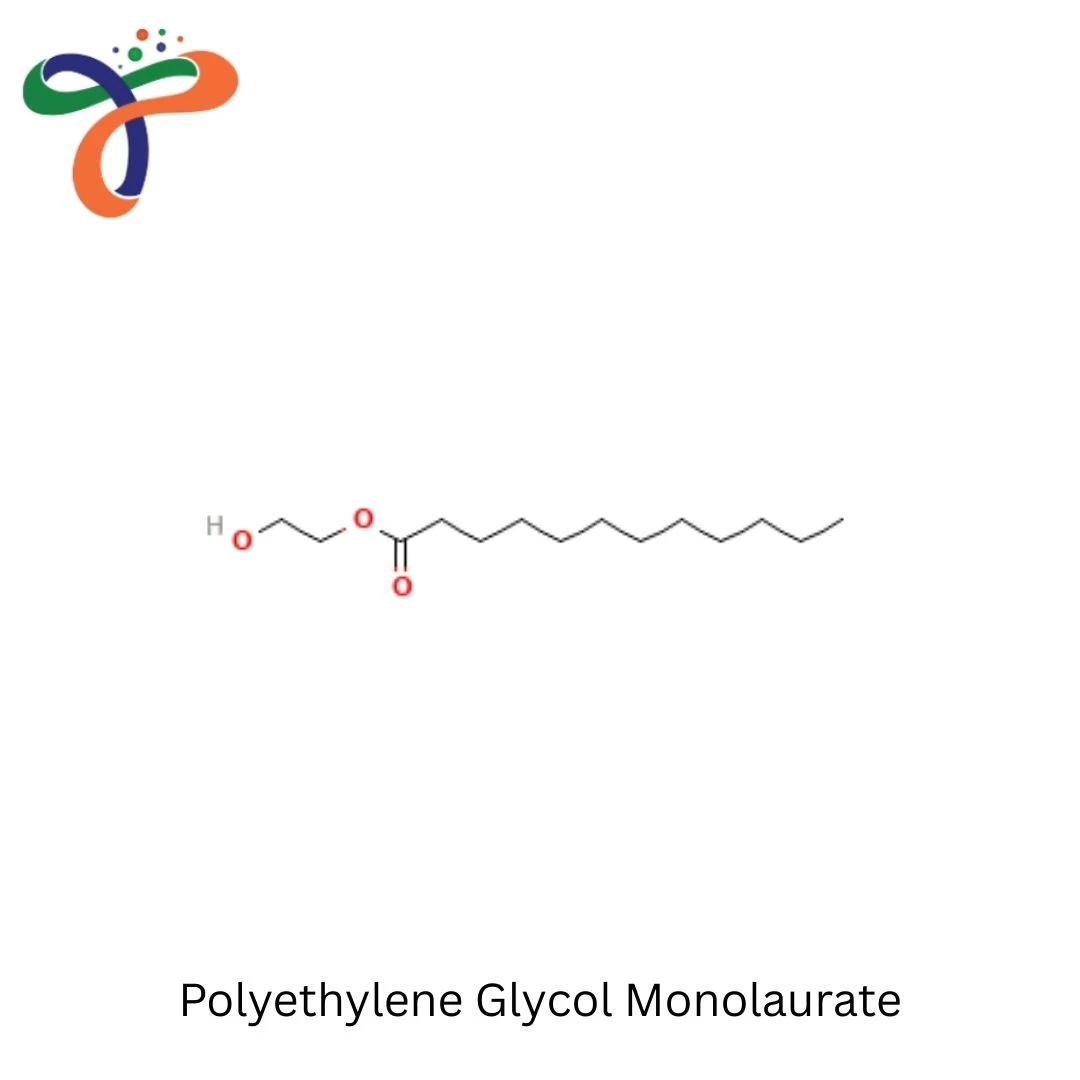
Polyethylene Glycol Monolaurate | 9004-81-3
Cas No :
9004-81-3
Form :
Liquid
Molecular Weight :
600 G/Mol
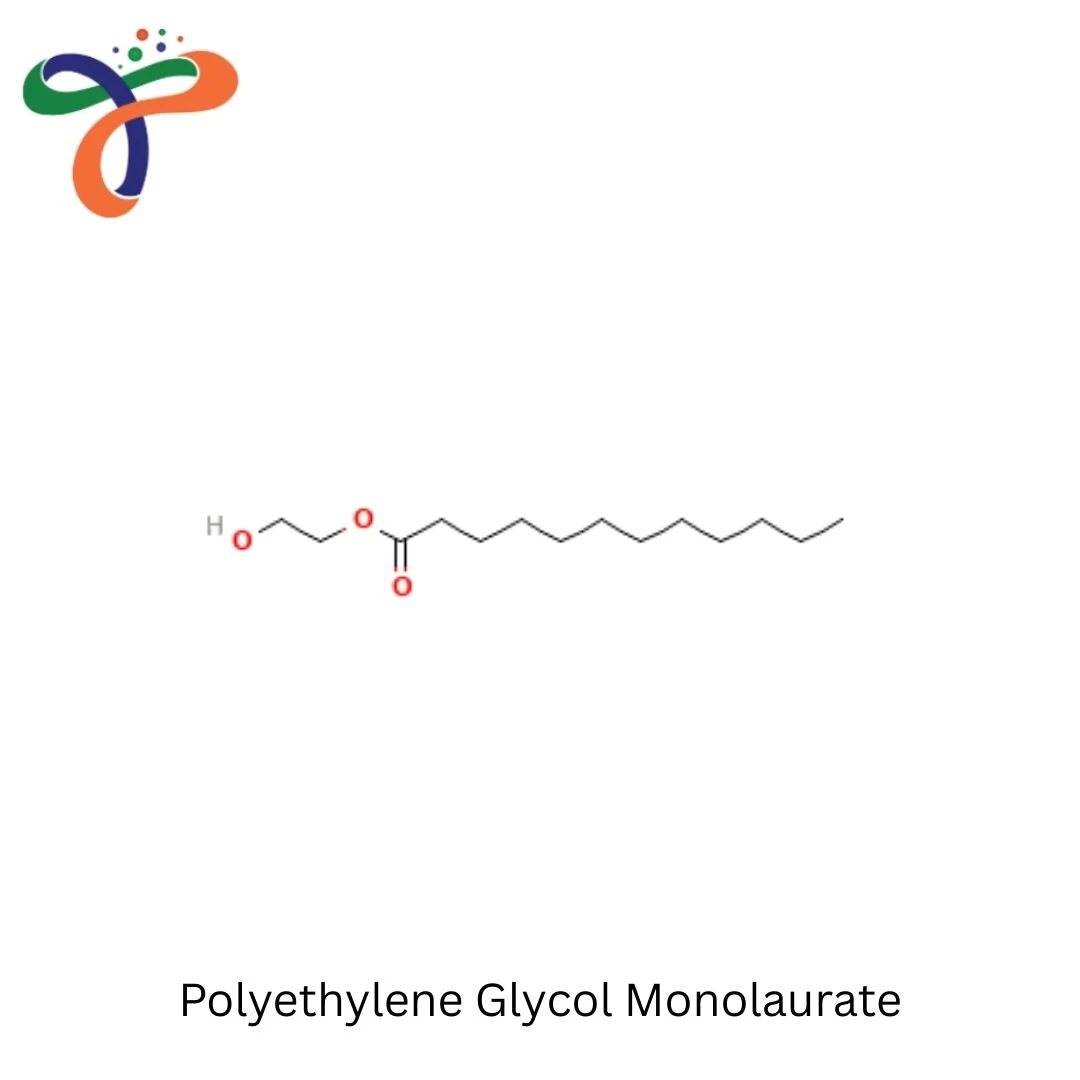
Molecular Formula :
C14H28O3
Boiling Point :
260 °C
Flash Point :
190 °C
Solubility :
Slightly Soluble In Water; Soluble In Organic Solvents
Description :
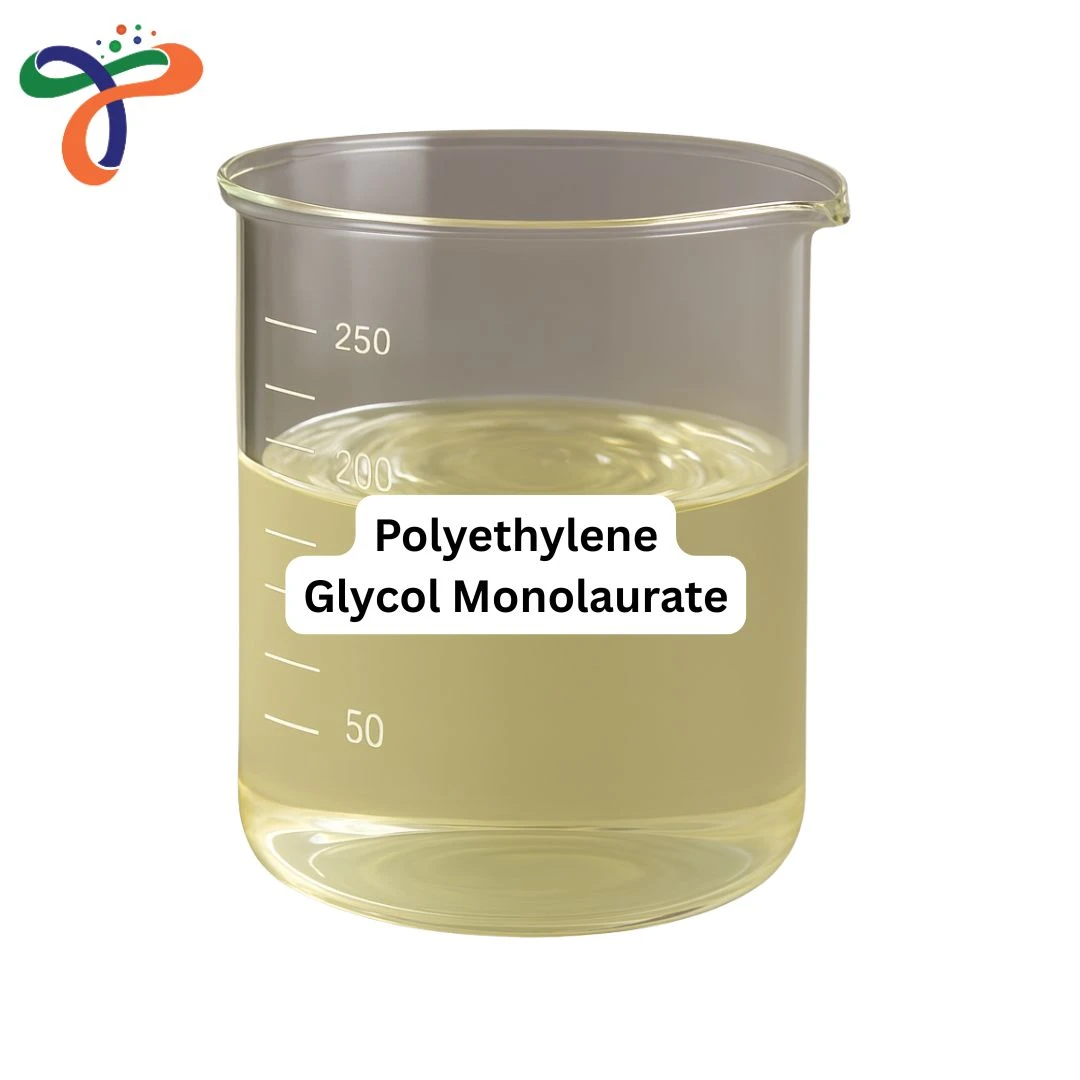
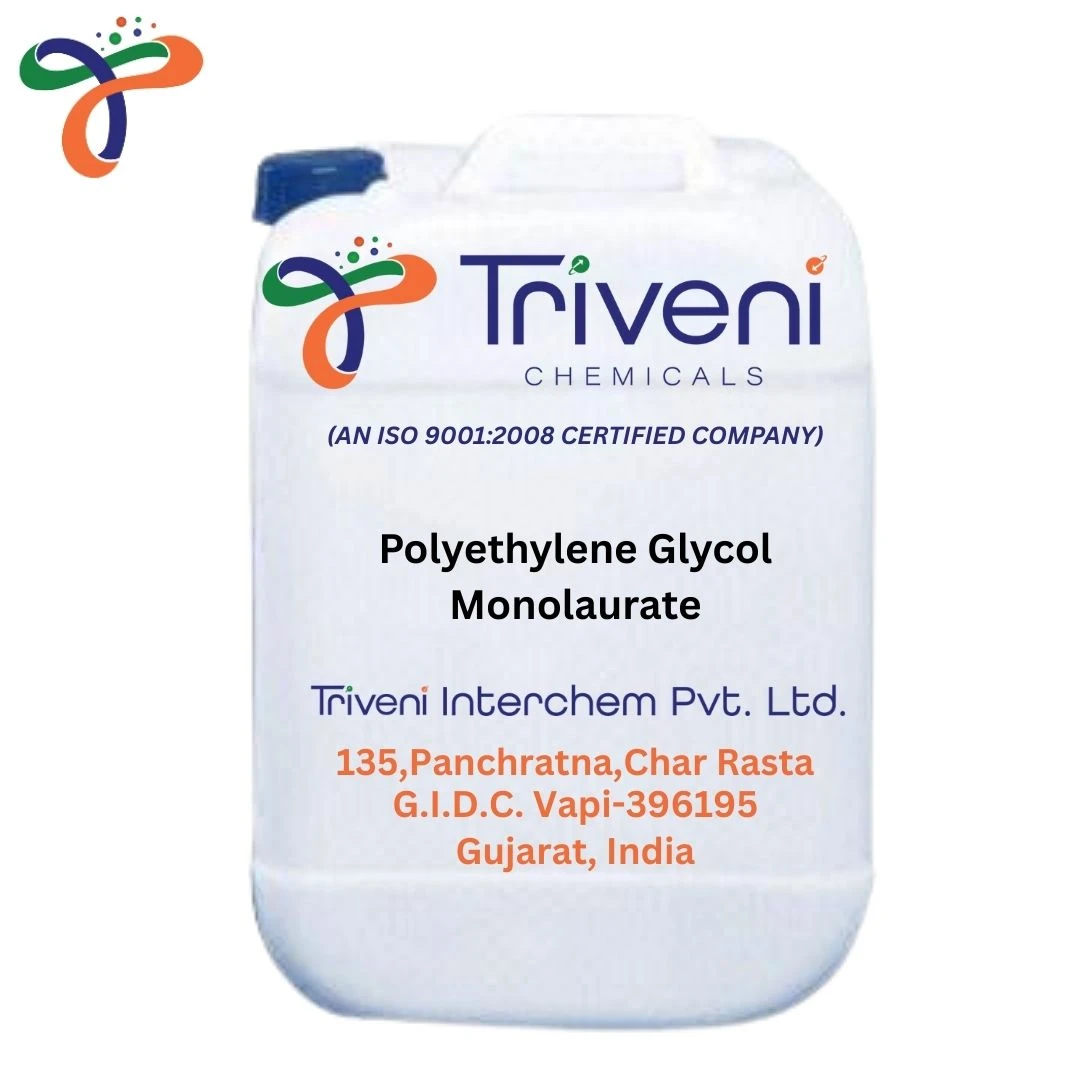
Overview of Polyethylene Glycol Monolaurate
Polyethylene Glycol Monolaurate (PEG Monolaurate) is a non-ionic surfactant and emulsifier formed by esterifying lauric acid with polyethylene glycol. It is widely used in personal care, cosmetic, pharmaceutical, food, and industrial formulations for its excellent solubilising, emulsifying, and wetting properties.
Depending on the PEG chain length (commonly PEG-10, PEG-20, PEG-40 Monolaurate), the product appears as a viscous liquid, semi-solid, or waxy solid with good water solubility. Polyethylene Glycol Monolaurate helps stabilize oil-in-water emulsions and improves the dispersion of oils, fragrances, and active ingredients.
It is frequently combined with Polysorbates, Glyceryl Esters, Fatty Alcohols, PEG Castor Oils, and Cocamide DEA to enhance formulation stability and performance.
Application of Polyethylene Glycol Monolaurate
Personal Care and Cosmetic Products
Polyethylene Glycol Monolaurate is commonly used in shampoos, body washes, facial cleansers, creams, lotions, and makeup removers. It functions as an emulsifier, solubilizer, and mild surfactant, helping improve texture, clarity, and ingredient compatibility.
Pharmaceutical and Healthcare Applications
In pharmaceutical formulations, it is used in topical creams, ointments, oral suspensions, and drug delivery systems to improvethe solubility and uniform distribution of active ingredients.
Food and Nutritional Applications
Food-grade PEG Monolaurate may be used as an emulsifier and stabiliser in processed foods, flavour emulsions, and dietary formulations, subject to regulatory approval and grade selection.
Industrial and Speciality Applications
It is also used in textile processing, agrochemical formulations, lubricants, and industrial cleaners, where stable emulsification and wetting are required.
Safety and Handling Guidelines
Store in a cool, dry place
Keep containers tightly sealed
Avoid direct contact with the eyes
Use gloves when handling in bulk
Follow recommended usage levels based on formulation type
When handled according to guidelines, Polyethene Glycol Monolaurate is stable, safe, and effective for cosmetic, food, and industrial use.
Where to Buy Polyethylene Glycol Monolaurate?
Polyethylene Glycol Monolaurate Manufacturer
Manufactured by certified chemical producers under controlled esterification and purification processes to ensure consistent PEG chain length, purity, and performance.
Polyethylene Glycol Monolaurate Supplier & Distributor
Triveni Chemicals supplies high-quality Polyethylene Glycol Monolaurate for cosmetic, pharmaceutical, food, and industrial applications. As a reliable supplier, distributor, trader, and exporter, we ensure consistent grades, technical support, and proper documentation.
MSDS for Polyethylene Glycol Monolaurate
The MSDS provides information on chemical identification, safe handling, storage, hazards, and regulatory compliance and is available on request.
Frequently Asked Questions (FAQs)
What is Polyethylene Glycol Monolaurate used for?
It is used as an emulsifier, solubilizer, and surfactant in cosmetics, pharmaceuticals, food, and industrial formulations.Is PEG Monolaurate safe for skin?
Yes, cosmetic-grade PEG Monolaurate is widely used and considered safe at recommended concentrations.Is it water-soluble?
Solubility depends on PEG chain length; higher PEG grades are more water soluble.Can it be used in shampoos and cleansers?
Yes, it improves emulsification, stability, and mild cleansing performance.Is PEG Monolaurate the same as Polysorbate?
No, both are non-ionic surfactants, but they differ in chemical structure and functional performance.