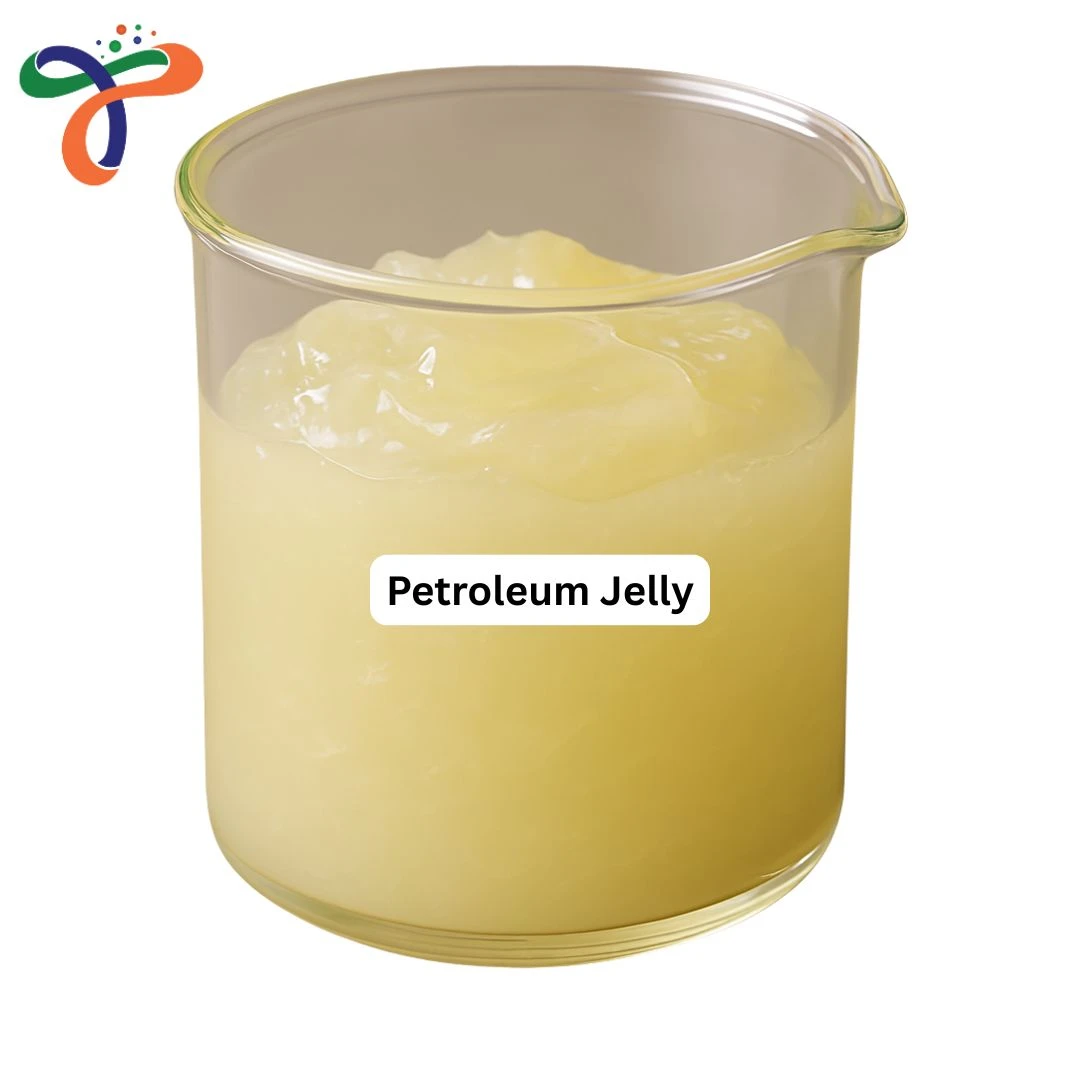
Petroleum Jelly
Synonyms :
Form :
Solid
Molecular Weight :
600–800 G/mol
Molecular Formula :
CNH2N+2
Melting Point :
38–60 °c
Flash Point :
182–220 °c
Solubility :
Insoluble In Water; Soluble In Chloroform, Ether, Oils
Description :
Overview of Petroleum Jelly
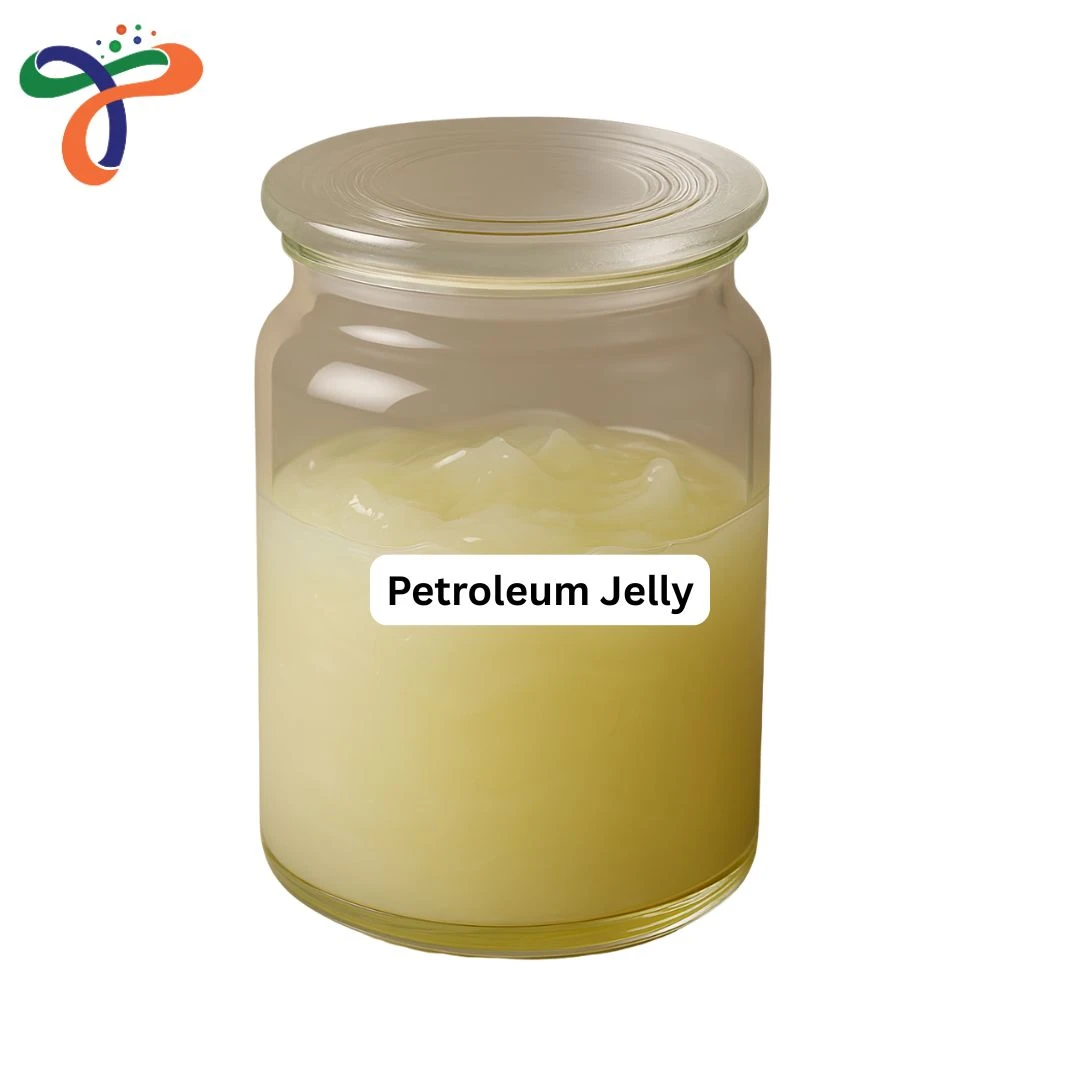
Petroleum Jelly is a semi-solid hydrocarbon blend widely used in personal care and home care formulations for its occlusive, protective, and moisturising properties. It appears as a translucent to white ointment-like substance and is valued for forming an effective barrier that helps lock in moisture and protect surfaces from external irritants.
In personal care products, Petroleum Jelly is commonly used to reduce transepidermal water loss (TEWL), soothe dry or cracked skin, and improve product texture. It is a key ingredient in ointments, balms, lip care products, baby care formulations, creams, and healing salves. It is often formulated alongside Paraffin Wax, Mineral Oil, Beeswax, and Lanolin to achieve the desired consistency and performance.
In home care applications, Petroleum Jelly is used in polishes, rust prevention products, and speciality maintenance formulations where lubrication, moisture resistance, and surface protection are required.
ChemicalBull supplies quality-grade Petroleum Jelly suitable for personal care and home care manufacturing, ensuring consistent quality, reliable performance, and dependable bulk supply.
Applications of Petroleum Jelly
Skin Care & Healing Products
-
Used in ointments, creams, and balms
-
Forms a protective barrier to prevent moisture loss
-
Helps soothe dry, cracked, and irritated skin
Lip Care & Baby Care Products
-
Applied in lip balms and baby care formulations
-
Provides gentle protection and softness
-
Supports long-lasting moisturization
Cosmetic & Formulation Base
-
Used as a base in cosmetic preparations
-
Improves texture and spreadability
-
Enhances stability of semi-solid formulations
Home Care & Maintenance Products
-
Used in polishes and rust-prevention products
-
Provides lubrication and moisture resistance
-
Protects metal and household surfaces
Safety & Handling Guidelines
-
Store Petroleum Jelly in clean, tightly closed containers
-
Keep in a cool, dry place away from direct heat
-
Avoid contamination during handling
-
Use appropriate hygiene practices in bulk processing
-
Follow standard safety and handling procedures
Where to Buy Petroleum Jelly?
Petroleum Jelly Manufacturer
ChemicalBull supplies Petroleum Jelly for personal care, cosmetic, and home care applications, meeting consistent quality standards.
Petroleum Jelly Supplier & Distributor
-
Bulk and customised packaging options available
-
Suitable for cosmetic, pharmaceutical, and home care manufacturers
-
Reliable sourcing for domestic and international markets
-
Technical specifications and documentation provided
Explore other emollients and occlusive agents for diversified formulation solutions.
Petroleum Jelly MSDS
The Material Safety Data Sheet (MSDS) for Petroleum Jelly provides detailed guidance on safe handling, storage conditions, exposure considerations, and emergency measures. Users should always consult the official MSDS before handling or using the product in manufacturing processes.
Frequently Asked Questions (FAQs)
-
What is Petroleum Jelly used for in personal care products?
It is used to lock in moisture, protect the skin barrier, and improve texture in ointments, balms, and creams. -
Is Petroleum Jelly safe for skin use?
Yes, cosmetic-grade Petroleum Jelly is widely used and considered safe when used according to quality standards. -
Can Petroleum Jelly be used in baby care products?
Yes, it is commonly used in baby care formulations for gentle skin protection. -
Is Petroleum Jelly used in home care products?
Yes, it is used in polishes, rust-prevention products, and maintenance formulations. -
How is Petroleum Jelly different from Paraffin Wax?
Petroleum Jelly is semi-solid and occlusive, while Paraffin Wax is solid and mainly used for structuring and hardness.
ChemicalBull supplies Petroleum Jelly across India, serving customers in Andhra Pradesh, Arunachal Pradesh, Assam, Bihar, Chhattisgarh, Goa, Gujarat, Haryana, Himachal Pradesh, Jharkhand, Karnataka, Kerala, Madhya Pradesh, Maharashtra, Manipur, Meghalaya, Mizoram, Nagaland, Odisha, Punjab, Rajasthan, Sikkim, Tamil Nadu, Telangana, Tripura, Uttar Pradesh, Uttarakhand, and West Bengal, as well as the Union Territories of Andaman & Nicobar Islands, Chandigarh, Dadra & Nagar Haveli and Daman & Diu, Delhi, Jammu & Kashmir, Ladakh, Lakshadweep, and Puducherry. We serve pharmaceutical, chemical, research, academic, laboratory, manufacturing, and industrial customers with reliable nationwide delivery.