Overview of N-Octyl Bromide
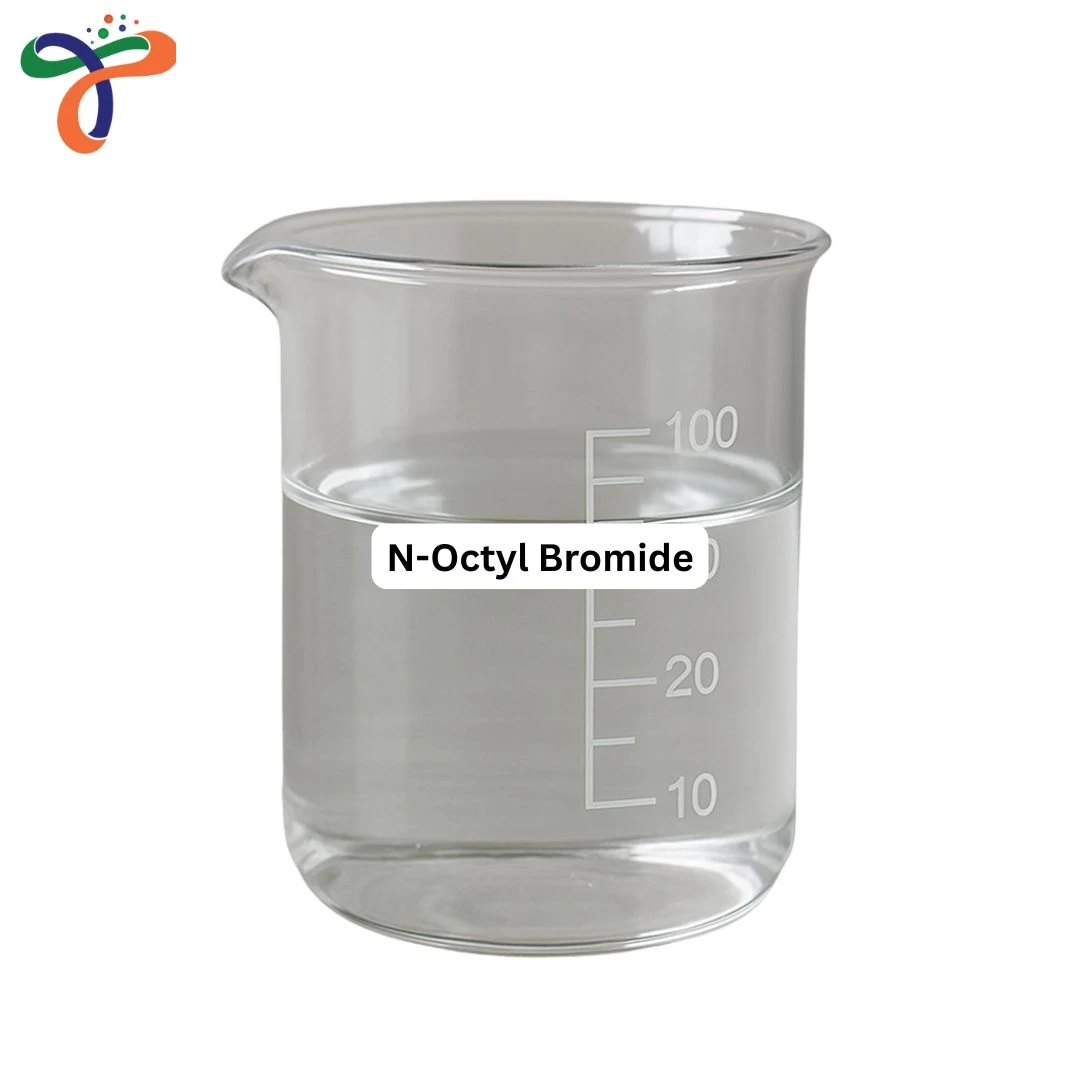
N-Octyl Bromide (CAS: 111-83-1) is a primary alkyl halide widely used in organic synthesis, pharmaceutical intermediates, agrochemicals, and specialty chemical production. It appears as a colorless to pale yellow liquid and is known for its high reactivity in nucleophilic substitution, coupling, and alkylation reactions.
This compound serves as an important building block for fine chemicals, surfactants, and intermediates in organic transformations. Its controlled reactivity makes it suitable for industrial-scale and laboratory-scale synthesis of complex molecules.
In the industrial chemical sector, other alkyl halides like 1-Bromohexane, 1-Bromo-3-Chloropropane, and 1-Bromodecane are also used as intermediates in organic synthesis, pharmaceuticals, and agrochemical formulations.
Applications of N-Octyl Bromide
Pharmaceutical & Fine Chemicals
-
Used as an intermediate in API synthesis and medicinal chemistry
-
Supports alkylation reactions for complex molecule construction
-
Applied in production of bioactive compounds and fine chemicals
Agrochemical Industry
-
Serves as a building block for brominated agrochemical intermediates
-
Used in herbicide, pesticide, and fungicide synthesis
-
Supports industrial-scale halogenated compound production
Organic Synthesis & Specialty Chemicals
-
Acts as a reagent for nucleophilic substitution and coupling reactions
-
Suitable for preparation of intermediates in surfactants, resins, and polymers
-
Applied in laboratory and industrial chemical synthesis
Laboratory & Research Applications
-
Utilized in academic and industrial research labs
-
Supports organic synthesis experiments and halogenation studies
-
Applied in developing new chemical building blocks
Safety & Handling Guidelines
-
Avoid contact with skin, eyes, and clothing
-
Use gloves, goggles, and protective equipment
-
Handle in well-ventilated areas or fume hoods
-
Store in tightly sealed containers away from heat, sparks, and strong oxidizers
-
Follow COA and MSDS instructions strictly
Where to Buy N-Octyl Bromide?
N-Octyl Bromide Manufacturer
ChemicalBull supplies high-purity N-Octyl Bromide suitable for organic synthesis, pharmaceutical intermediates, and specialty chemical manufacturing.
N-Octyl Bromide Supplier & Distributor
-
Available in bulk and laboratory-scale packaging
-
Ideal for industrial halogenation reactions, fine chemical synthesis, and specialty applications
-
COA, MSDS, and technical specifications provided
N-Octyl Bromid MSDS
-
May cause irritation to skin, eyes, and respiratory tract
-
Flammable—keep away from heat, sparks, and open flames
-
Avoid inhalation of vapors and prolonged exposure
-
Store in cool, dry, ventilated areas
-
Refer to full MSDS for emergency response and spill management
Frequently Asked Questions (FAQs)
-
What is the molecular formula of N-Octyl Bromide?
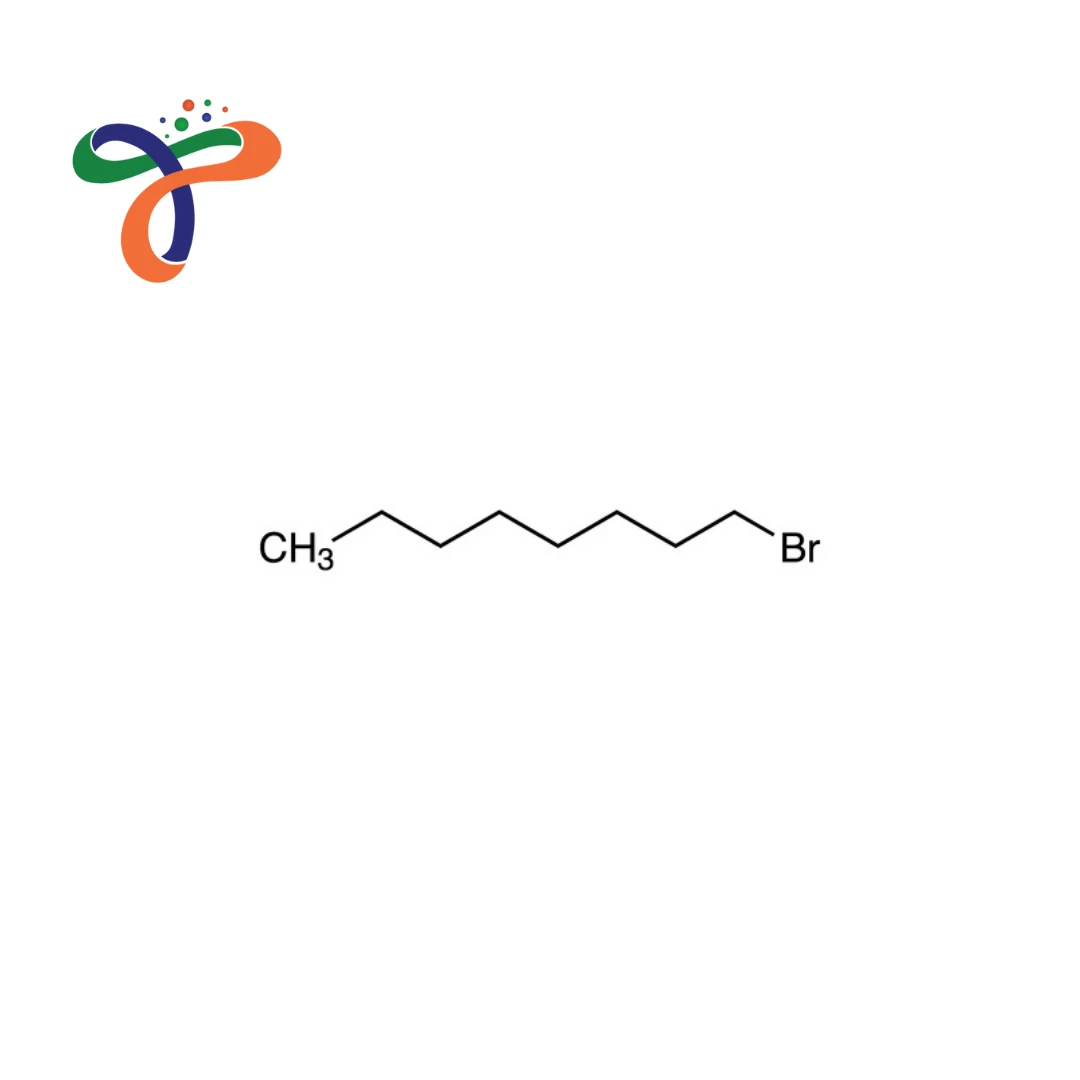
Molecular Formula: C₈H₁₇Br
Molecular Weight: 185.03 g/mol -
What is N-Octyl Bromide used for?
Used in organic synthesis, alkylation reactions, pharmaceutical intermediates, and agrochemical intermediates. -
Which industries use N-Octyl Bromide?
Common industries include chemical manufacturing, pharmaceuticals, agrochemical production, and research laboratories. -
Is N-Octyl Bromide hazardous?
Yes. It is flammable and irritant. Proper PPE and handling procedures are required. -
Why is it important in organic synthesis?
It provides a reactive alkyl halide functionality for nucleophilic substitution, coupling, and fine chemical synthesis.