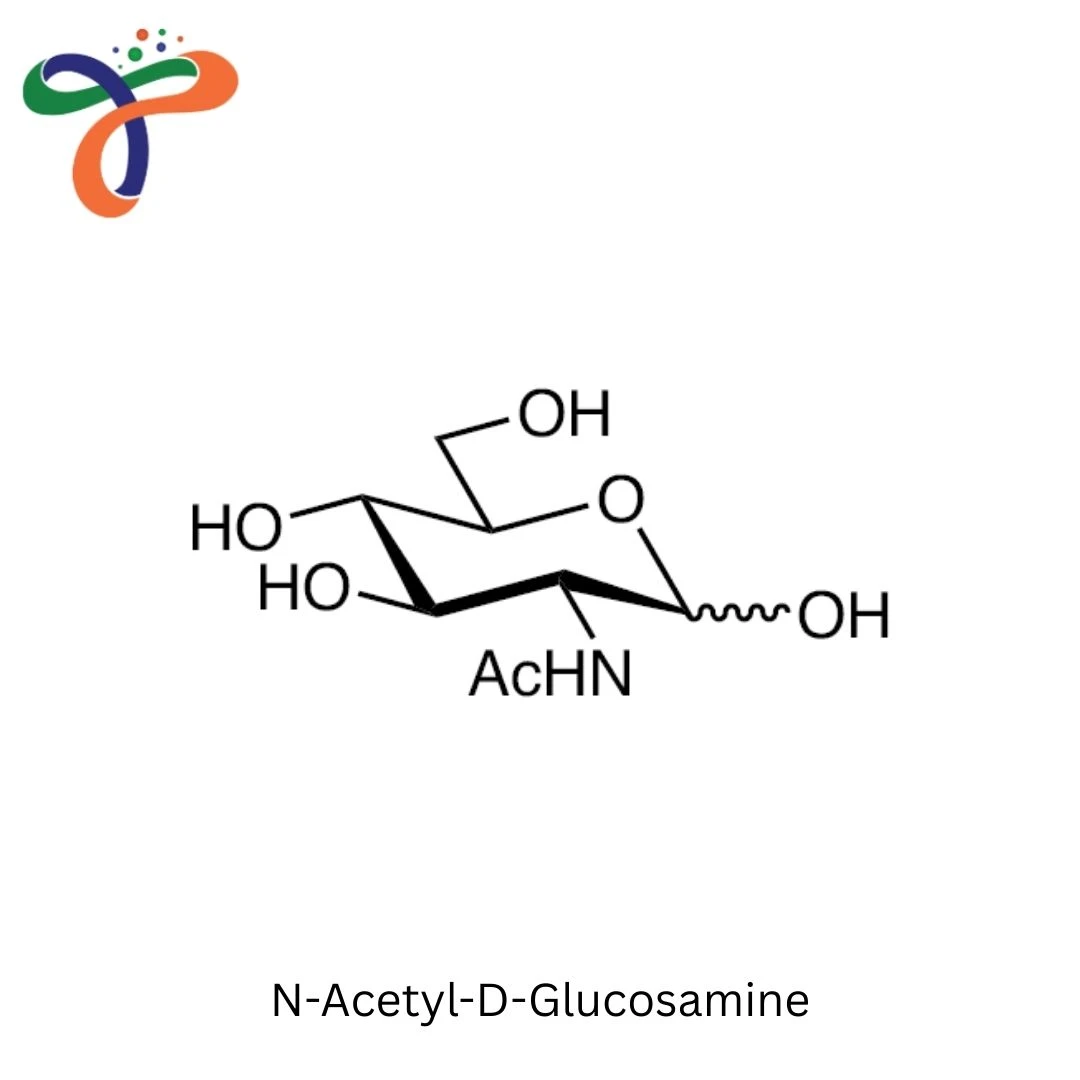
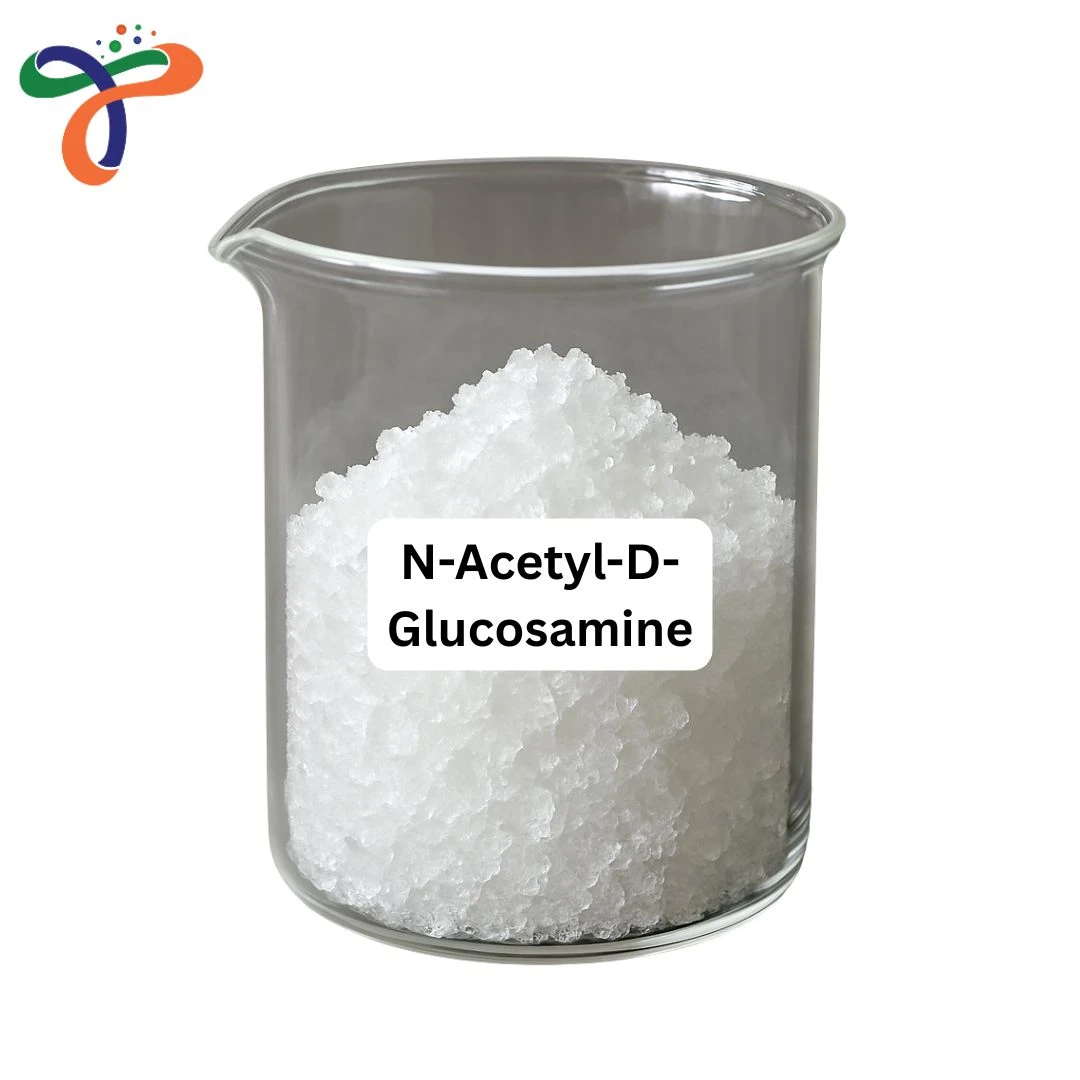
N-Acetyl-D-Glucosamine (N-acetylglucosamine) | 7512-17-6
Cas No :
7512-17-6
Synonyms :
Form :
Solid
Molecular Weight :
221.21 G/mol
Molecular Formula :
C8H15NO6
Boiling Point :
221.21 G/mol
Solubility :
Freely Soluble In Water; Insoluble In Non-polar Solvents
Description :
Overview of N-Acetyl-D-Glucosamine
N-Acetyl-D-Glucosamine (commonly known as NAG) is a naturally occurring amino sugar and a key building block of glycosaminoglycans in the skin. It is widely used in personal care and cosmetic formulations for its skin-brightening, moisturising, and barrier-supporting properties. It typically appears as a white to off-white crystalline powder with good water solubility.
In personal care applications, N-Acetyl-D-Glucosamine is valued for its ability to support skin hydration, improve uneven skin tone, and enhance barrier function. It is commonly used in skin care serums, creams, lotions, eye care products, and brightening formulations, especially in combination with actives like Niacinamide, Hyaluronic Acid, Panthenol, and Allantoin to deliver synergistic skin benefits.
In selected hygiene and speciality formulations, N-Acetyl-D-Glucosamine is used where mildness, skin compatibility, and conditioning performance are essential. Its gentle nature and biological relevance make it suitable for advanced and sensitive-skin cosmetic products.
ChemicalBull supplies quality-grade N-Acetyl-D-Glucosamine suitable for cosmetic and personal care manufacturing, ensuring consistent purity, reliable performance, and dependable bulk supply.
Applications of N-Acetyl-D-Glucosamine
Skin Brightening & Tone-Correcting Products
Used in serums, creams, and lotions
Helps improve uneven skin tone and radiance
Works synergistically with Niacinamide
Moisturising & Barrier Care Formulations
Applied in hydrating creams and barrier-repair products
Supports skin moisture retention
Enhances overall skin comfort and resilience
Anti-Ageing & Eye Care Products
Used in anti-ageing creams and eye care formulations
Helps improve skin texture and smoothness
Supports youthful-looking skin appearance
Sensitive Skin & Advanced Cosmetic Products
Suitable for sensitive and dermatologist-oriented formulations
Provides gentle conditioning without irritation
Enhances the performance of mild cosmetic systems
Safety & Handling Guidelines
Store N-Acetyl-D-Glucosamine in a cool, dry place
Protect from moisture and direct sunlight
Keep containers tightly sealed when not in use
Avoid dust formation during handling
Follow standard cosmetic safety and hygiene practices
Where to Buy N-Acetyl-D-Glucosamine?
N-Acetyl-D-Glucosamine Manufacturer
ChemicalBull supplies N-Acetyl-D-Glucosamine for skin care and cosmetic applications, meeting consistent quality and performance standards.
N-Acetyl-D-Glucosamine Supplier & Distributor
Bulk and customised packaging options available
Suitable for cosmetic, dermatological, and personal care manufacturers
Reliable sourcing for domestic and international markets
Technical specifications and documentation provided
N-Acetyl-D-Glucosamine MSDS
The Material Safety Data Sheet (MSDS) for N-Acetyl-D-Glucosamine provides detailed guidance on safe handling, storage conditions, exposure controls, and emergency response measures. Users should always consult the official MSDS before handling or using the product in manufacturing and formulation processes.
Frequently Asked Questions (FAQs)
What is N-Acetyl-D-Glucosamine used for in skin care?
It is used to improve skin hydration, support barrier function, and enhance skin brightness.How does N-Acetyl-D-Glucosamine work with Niacinamide?
Together, they help reduce uneven skin tone and improve overall skin appearance more effectively than when used alone.Is N-Acetyl-D-Glucosamine suitable for sensitive skin?
Yes, it is considered gentle and is commonly used in sensitive and dermatologist-tested formulations.Can N-Acetyl-D-Glucosamine be used in anti-ageing products?
Yes, it supports skin texture improvement and is widely used in anti-ageing and eye care products.Is N-Acetyl-D-Glucosamine safe for cosmetic use?
When used according to recommended guidelines and cosmetic standards, it is considered safe for topical applications.
ChemicalBull supplies N-Acetyl-D-Glucosamine (N-acetylglucosamine) across India, serving customers in Andhra Pradesh, Arunachal Pradesh, Assam, Bihar, Chhattisgarh, Goa, Gujarat, Haryana, Himachal Pradesh, Jharkhand, Karnataka, Kerala, Madhya Pradesh, Maharashtra, Manipur, Meghalaya, Mizoram, Nagaland, Odisha, Punjab, Rajasthan, Sikkim, Tamil Nadu, Telangana, Tripura, Uttar Pradesh, Uttarakhand, and West Bengal, as well as the Union Territories of Andaman & Nicobar Islands, Chandigarh, Dadra & Nagar Haveli and Daman & Diu, Delhi, Jammu & Kashmir, Ladakh, Lakshadweep, and Puducherry. We serve pharmaceutical, chemical, research, academic, laboratory, manufacturing, and industrial customers with reliable nationwide delivery.