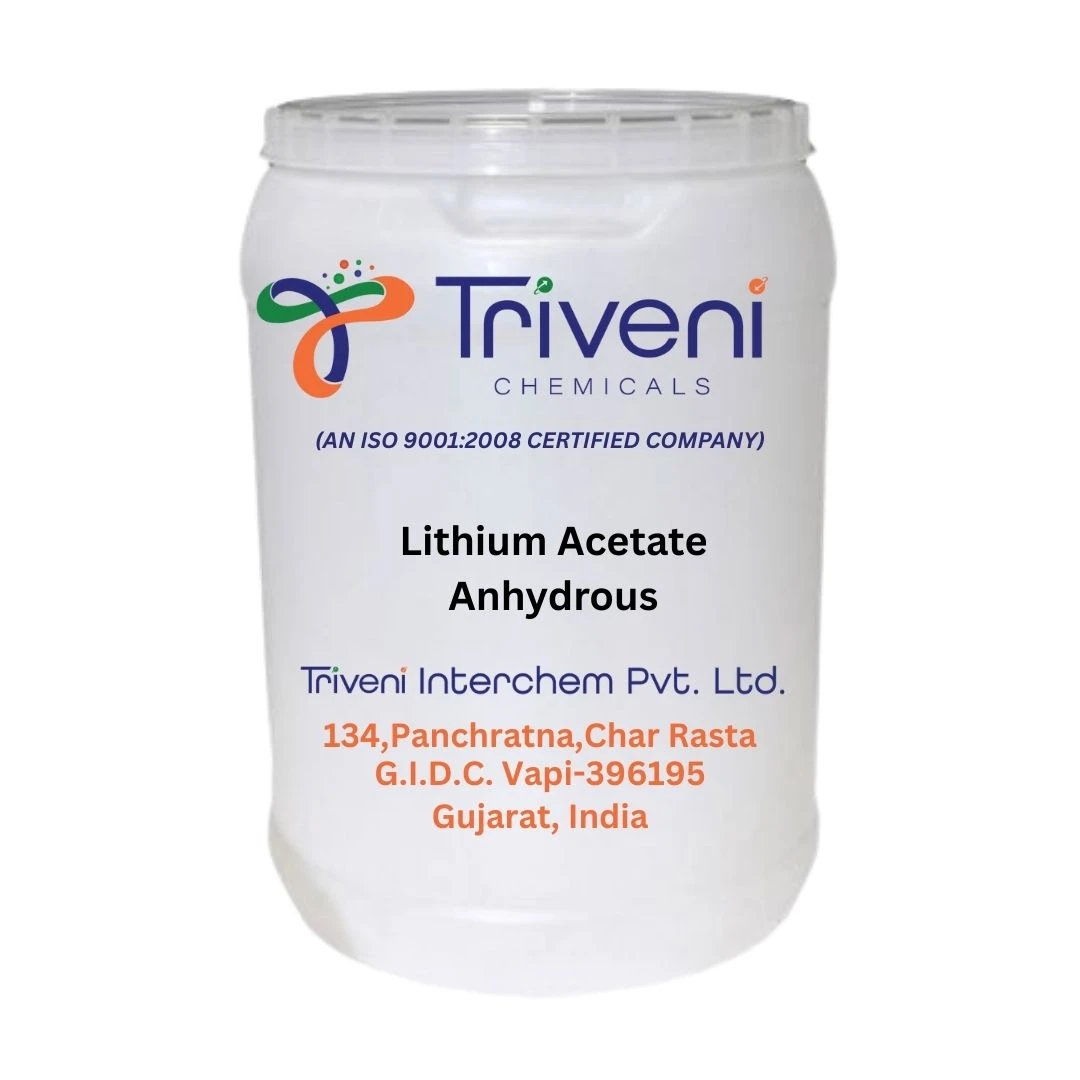
Lithium Acetate Anhydrous | 546-89-4
Cas No :
546-89-4
Form :
Solid
Molecular Weight :
65.99 G/mol
Molecular Formula :
C2H3LIO2
Boiling Point :
900 °c
Melting Point :
520 °c
Flash Point :
230 °c
Solubility :
Soluble In Water
Description :
Overview of Lithium Acetate Anhydrous
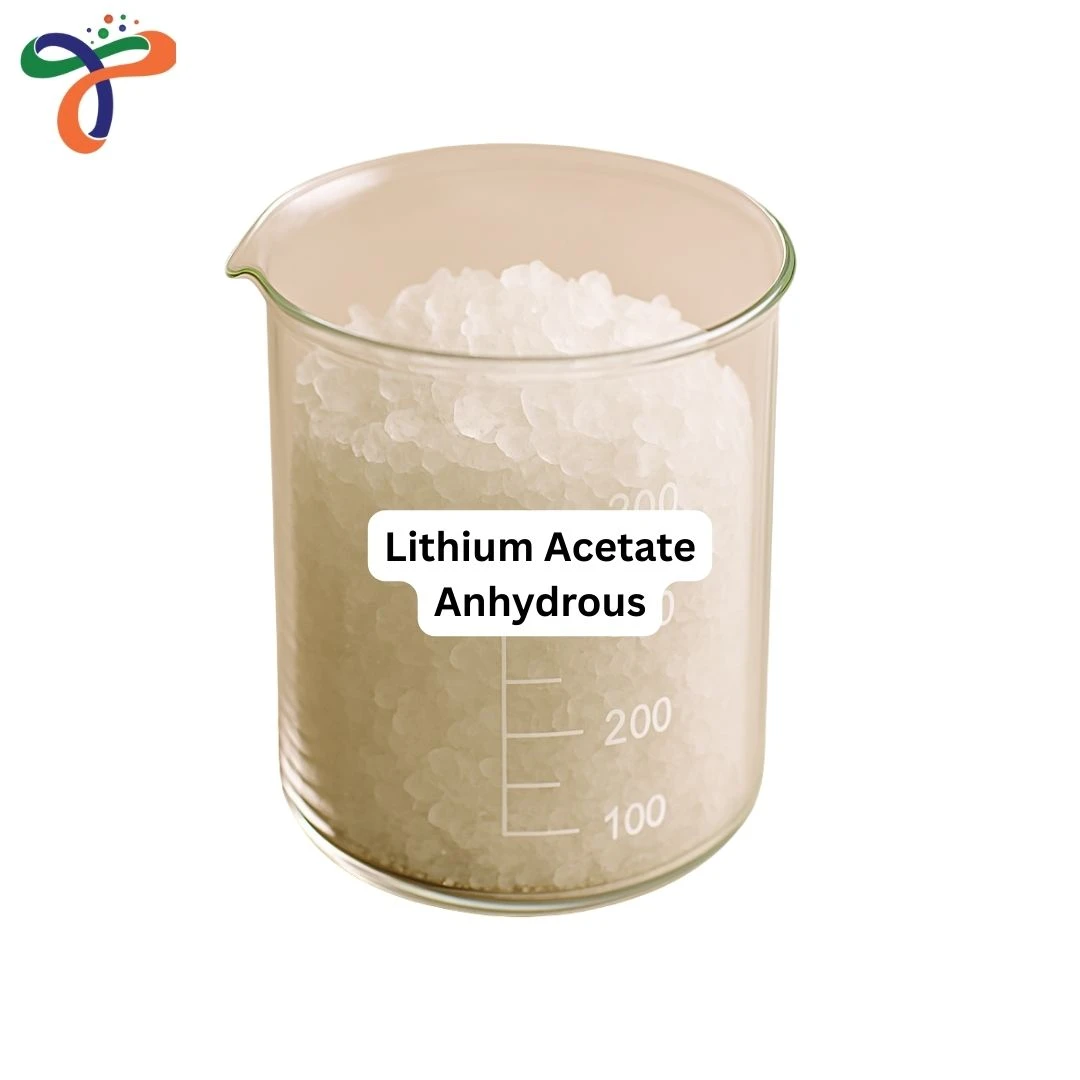
Lithium Acetate Anhydrous is a white crystalline dust that is anhydrous of lithium acetate. It is used to provide lithium in a variety of industrial processes, such as battery materials and organocatalysis.
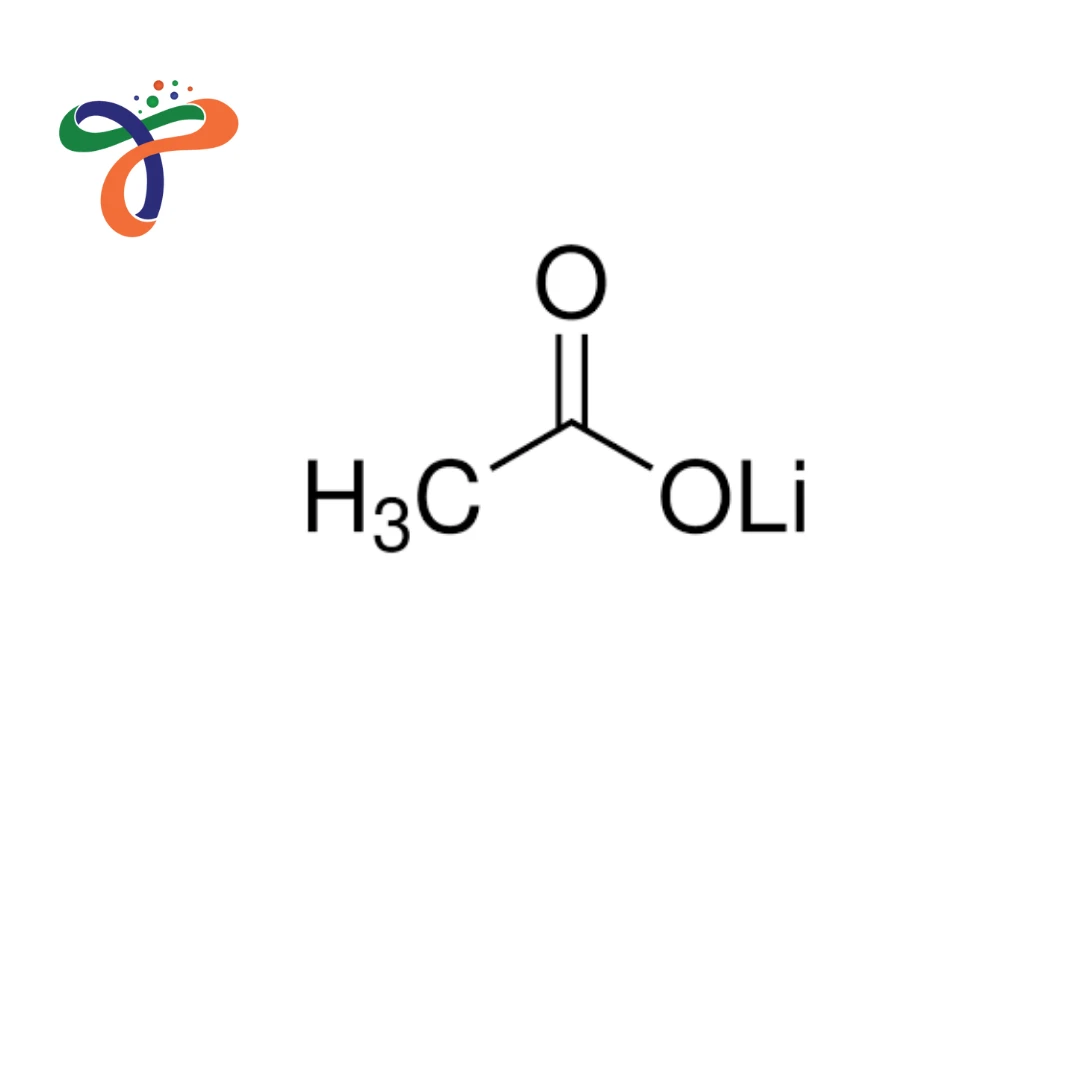
Chemical Formula: CH3COOLi or C2H3LiO2 Lithium acetate anhydrous formula: CH3COOLi Molecular weight: 65.99 g/mol CAS No: 546-89-4 Functional properties: Highly soluble in water, hygroscopic, mild base, source of Li+ ions
Applications of Lithium Acetate Anhydrous
Battery and Materials
-
Raw material for lithium-ion battery components and perovskite thin films
-
Used in the preparation of lithium-containing electrodes and electrolytes
Chemical and Pharmaceutical
-
Catalyst in organic reactions; used in the separation of fatty acids and diuretic synthesis
-
Related to lithium reagents in reductions or syntheses involving Boron Tribromide
Safety and Handling Guidelines
-
Wear protective goggles, gloves, and appropriate clothing
-
Avoid prolonged skin contact and dust inhalation (irritant)
-
Use only in a well-ventilated area
-
Store in sealed containers away from moisture (hygroscopic)
-
Follow MSDS guidelines and standard safety protocols
Where to Buy Lithium Acetate Anhydrous
Lithium Acetate Anhydrous Manufacturer
-
High-quality suppliers for battery and chemical grades
Lithium Acetate Anhydrous Supplier & Distributor
-
Bulk and export-grade supply with COA, TDS & MSDS
Lithium Acetate Anhydrous MSDS
Provides details on hazards, handling, storage, and emergency precautions
Frequently Asked Questions (FAQs)
-
What is the Lithium acetate anhydrous formula?
CH3COOLi (C2H3LiO2), molecular weight 65.99 g/mol, CAS 546-89-4. -
What are the industrial uses of Lithium acetate anhydrous?
As a lithium source in batteries, perovskites are catalysts for organic reactions and fatty acid separation. -
How is Lithium acetate anhydrous handled safely?
Use PPE, avoid moisture exposure, and store sealed to prevent hygroscopic issues.
ChemicalBull supplies Lithium Acetate Anhydrous across India, serving customers in Andhra Pradesh, Arunachal Pradesh, Assam, Bihar, Chhattisgarh, Goa, Gujarat, Haryana, Himachal Pradesh, Jharkhand, Karnataka, Kerala, Madhya Pradesh, Maharashtra, Manipur, Meghalaya, Mizoram, Nagaland, Odisha, Punjab, Rajasthan, Sikkim, Tamil Nadu, Telangana, Tripura, Uttar Pradesh, Uttarakhand, and West Bengal, as well as the Union Territories of Andaman & Nicobar Islands, Chandigarh, Dadra & Nagar Haveli and Daman & Diu, Delhi, Jammu & Kashmir, Ladakh, Lakshadweep, and Puducherry. We serve pharmaceutical, chemical, research, academic, laboratory, manufacturing, and industrial customers with reliable nationwide delivery.