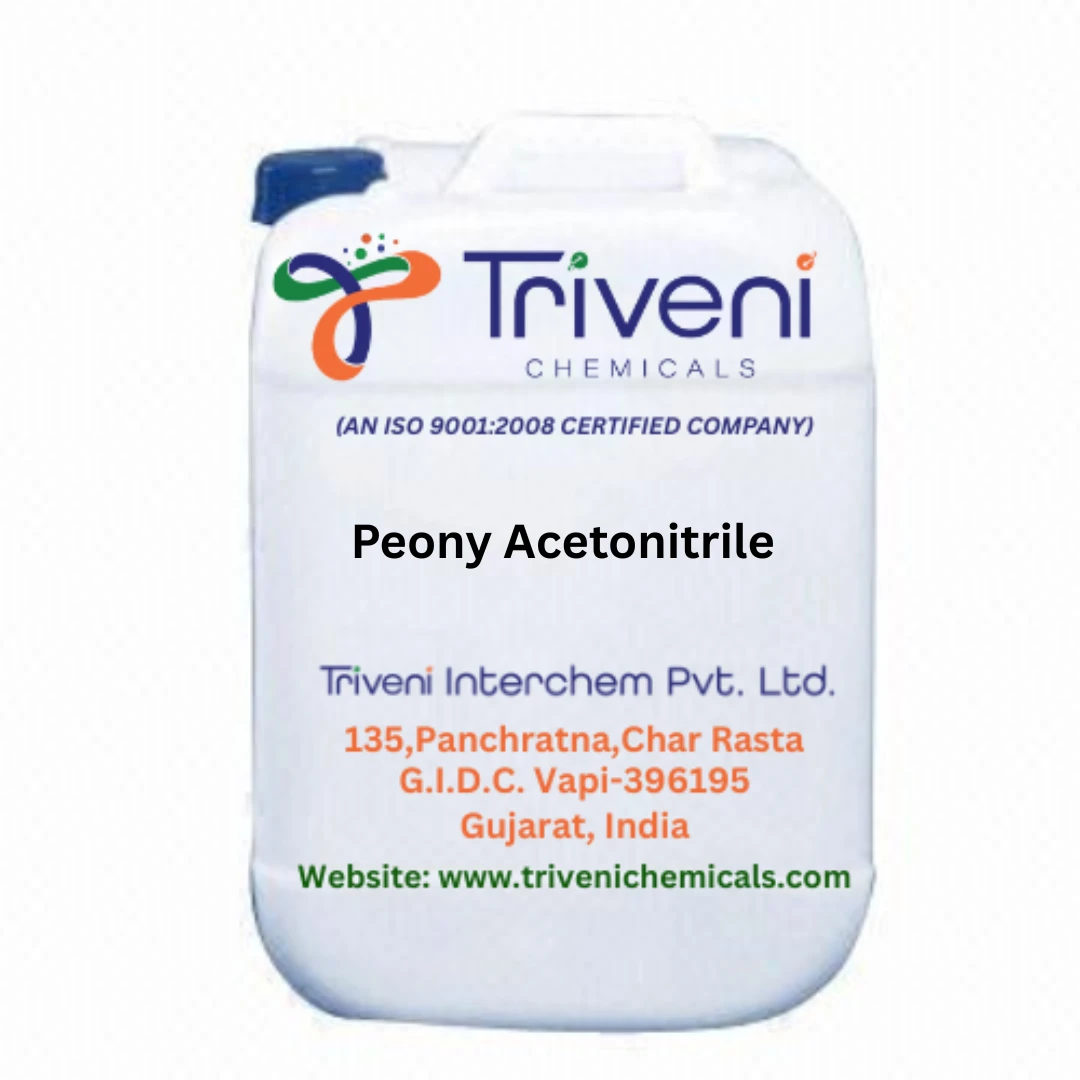
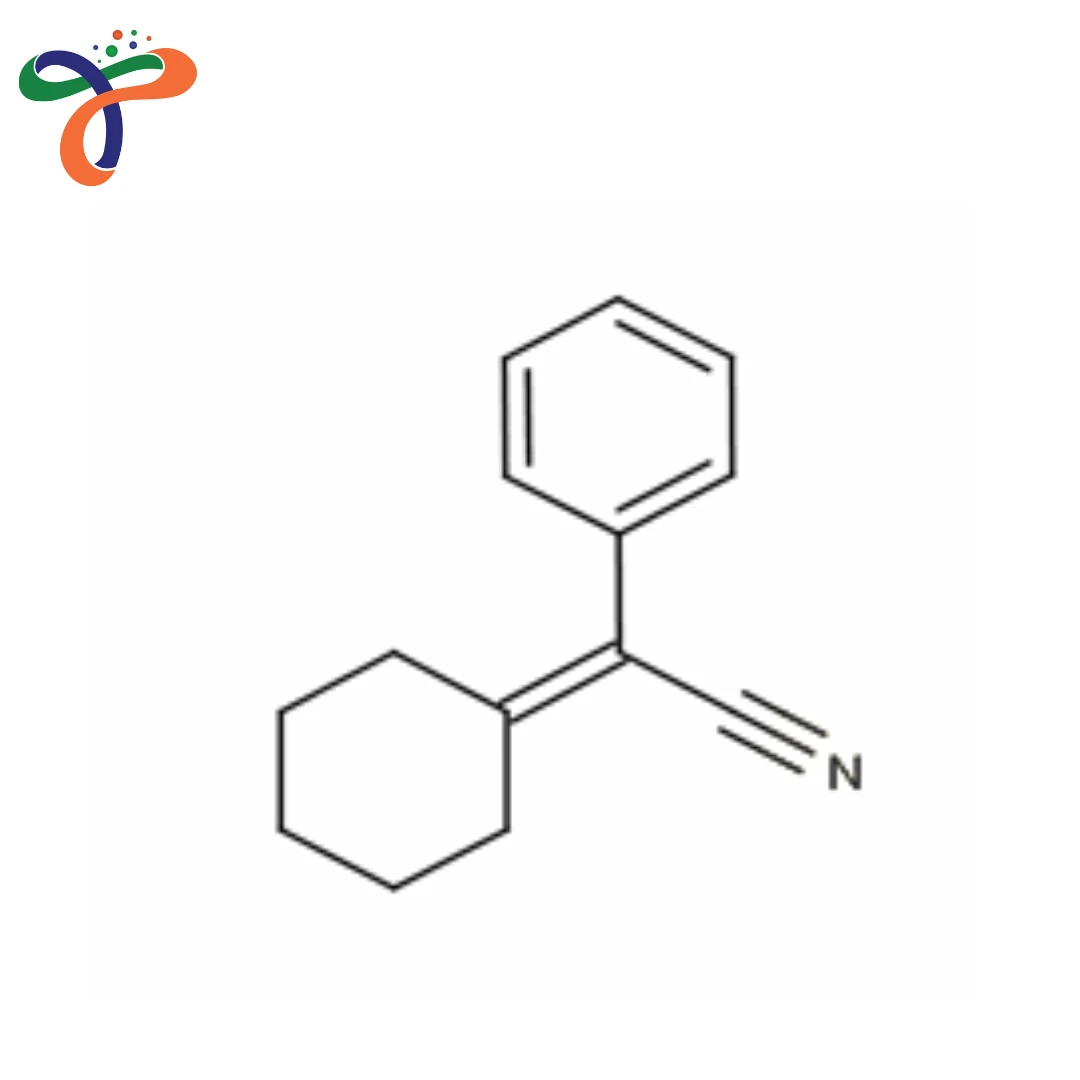
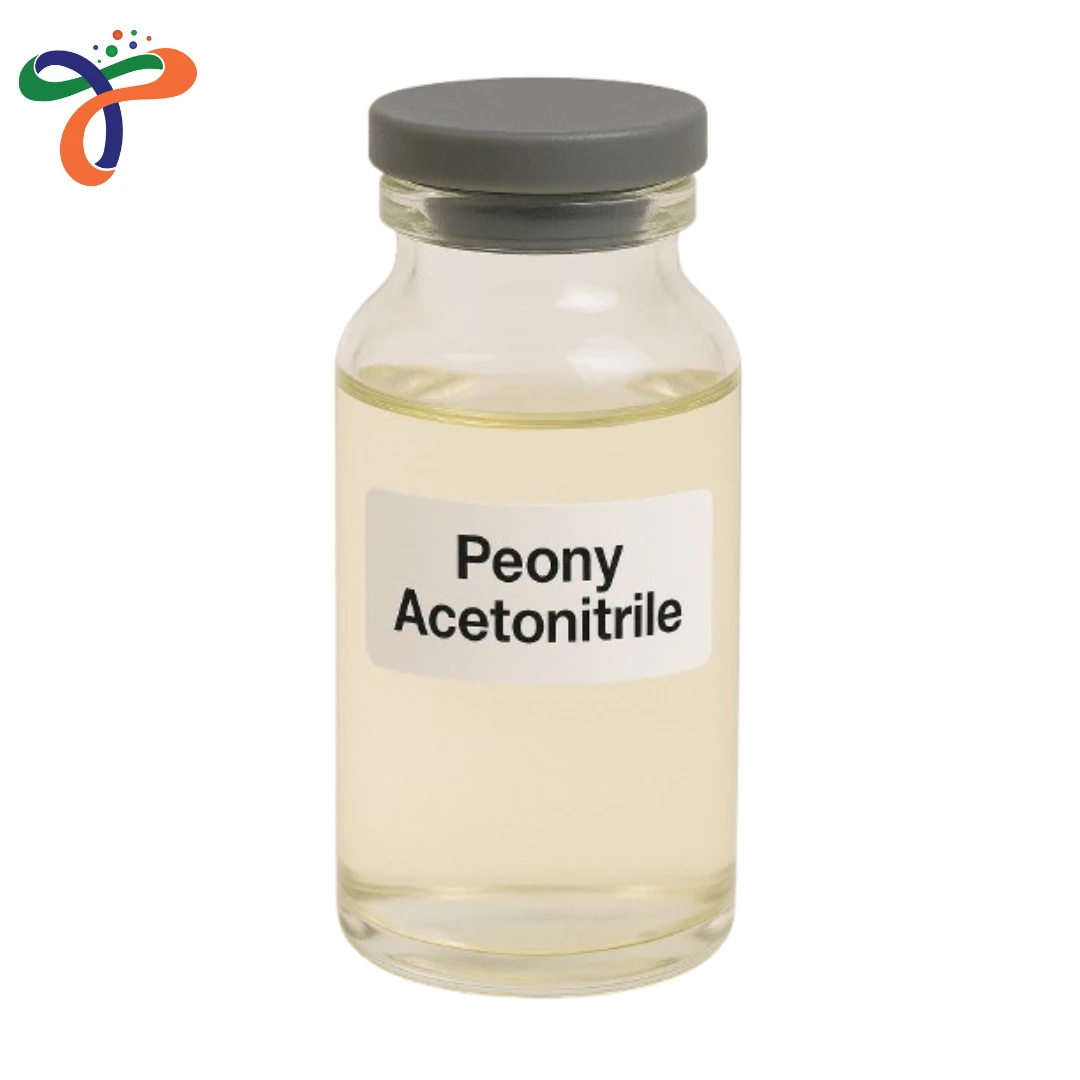
Peony Acetonitrile | 10461-98-0
Cas No :
10461-98-0
Synonyms :
Form :
Liquid
Molecular Weight :
197.27 G/mol
Molecular Formula :
C14H15N
Boiling Point :
305 °c
Melting Point :
23–27 °c
Flash Point :
120 °c
Solubility :
Insoluble In Water; Soluble In Alcohols And Oils
Description :
Overview of Peony Acetonitrile
Peony Acetonitrile (trade name Peonile, also called Peony Nitrile or Geranium Nitrile) is a specialty aroma chemical with a clean, fresh peony/geranium / grapefruit‑like floral character. It typically appears as a colorless to pale‑yellow liquid (may crystallize near room temperature) and has the CAS number 10461‑98‑0 and approximate molecular formula C₁₄H₁₅N. Peonile is prized in perfumery for bringing an airy, modern peony facetted floral note with bright, metallic clarity and excellent diffusion.
Applications of Peony Acetonitrile
Fragrance & Perfumery Industry
-
Used as a powerful floralizer to recreate peony, geranium and fresh rosy nuances in perfumes, body sprays, detergents and soap fragrances.
-
Adds a bright, transparent floral heart and airy top‑middle character that modernizes floral accords and lifts powdery or heavy notes.
-
Commonly blended with other floral and fruity ingredients such as Linalyl Acetate, Geranyl Caproate, and Citronellyl Propionate to build fresh, diffusion‑rich peony accords.
Flavor & Food Industry
-
Not typically used directly as a food ingredient, but used in flavour R&D as a template to design peony/rose‑type nuances in beverage or confectionery concepts.
Industrial & Chemical Applications
-
Used as a specialty raw material and intermediate in aroma chemical synthesis and perfumery R&D; valued for stability in alcoholic bases and good performance in antiperspirant or candle matrices. perflavory.com
Cosmetic & Personal Care
-
Adds modern floral heart notes to lotions, shampoos, deodorants and air‑care formulations where a fresh peony/rose character is desired (formulate to IFRA limits). Fraterworks
Safety & Handling Guidelines
-
Store in a cool, dry, well‑ventilated area, away from strong oxidizers and direct heat.
-
Use appropriate PPE: gloves, goggles and protective clothing; avoid prolonged skin contact and inhalation of concentrated vapors.
-
Keep containers tightly closed to prevent oxidation and maintain aroma quality.
-
Follow IFRA guidance and local/regional regulations when formulating for cosmetics or flavours; consult the MSDS for first‑aid and spill procedures.
Where to Buy Peony Acetonitrile?
Peony Acetonitrile Manufacturer in India
Reputable fragrance‑chemical manufacturers and custom aroma houses produce Peonile (Peony Acetonitrile) to varying purities for perfumery and R&D.
Peony Acetonitrile Distributor & Supplier in Punjab
ChemicalBull lists Peony Acetonitrile (CAS 10461‑98‑0) and supplies bulk & lab quantities with documentation and shipping support — suitable for perfumery and industrial users.
Peony Acetonitrile MSDS
Request the Material Safety Data Sheet (MSDS) from your supplier (e.g., ChemicalBull or other certified distributors) before use — MSDS contains hazard, handling, storage and disposal details.
Frequently Asked Questions
-
What does Peony Acetonitrile smell like?
A1. It offers a fresh, airy peony / geranium / grapefruit floral note — bright, clean and slightly metallic/transparent, ideal for modern floral accords. -
Is Peony Acetonitrile natural or synthetic?
A2. It is a synthetic aroma chemical (manufactured) used to reproduce and enhance natural peony/rose facets in perfumery. -
What is the CAS number and formula?
A3. CAS 10461-98-0; approximate molecular formula C14H15N (listed in supplier specifications). -
Can Peony Acetonitrile be used directly in food?
A4. No — it is primarily a fragrance/aroma‑industry raw material. Any food use requires specific regulatory approval and food‑grade documentation. -
Which aroma chemicals blend well with Peonile?
A5. Peonile pairs well with Linalyl Acetate, Geranyl Caproate, Citronellyl Propionate, and light aldehydes to build bright, modern peony accords
ChemicalBull supplies Peony Acetonitrile across India, serving customers in Andhra Pradesh, Arunachal Pradesh, Assam, Bihar, Chhattisgarh, Goa, Gujarat, Haryana, Himachal Pradesh, Jharkhand, Karnataka, Kerala, Madhya Pradesh, Maharashtra, Manipur, Meghalaya, Mizoram, Nagaland, Odisha, Punjab, Rajasthan, Sikkim, Tamil Nadu, Telangana, Tripura, Uttar Pradesh, Uttarakhand, and West Bengal, as well as the Union Territories of Andaman & Nicobar Islands, Chandigarh, Dadra & Nagar Haveli and Daman & Diu, Delhi, Jammu & Kashmir, Ladakh, Lakshadweep, and Puducherry. We serve pharmaceutical, chemical, research, academic, laboratory, manufacturing, and industrial customers with reliable nationwide delivery.