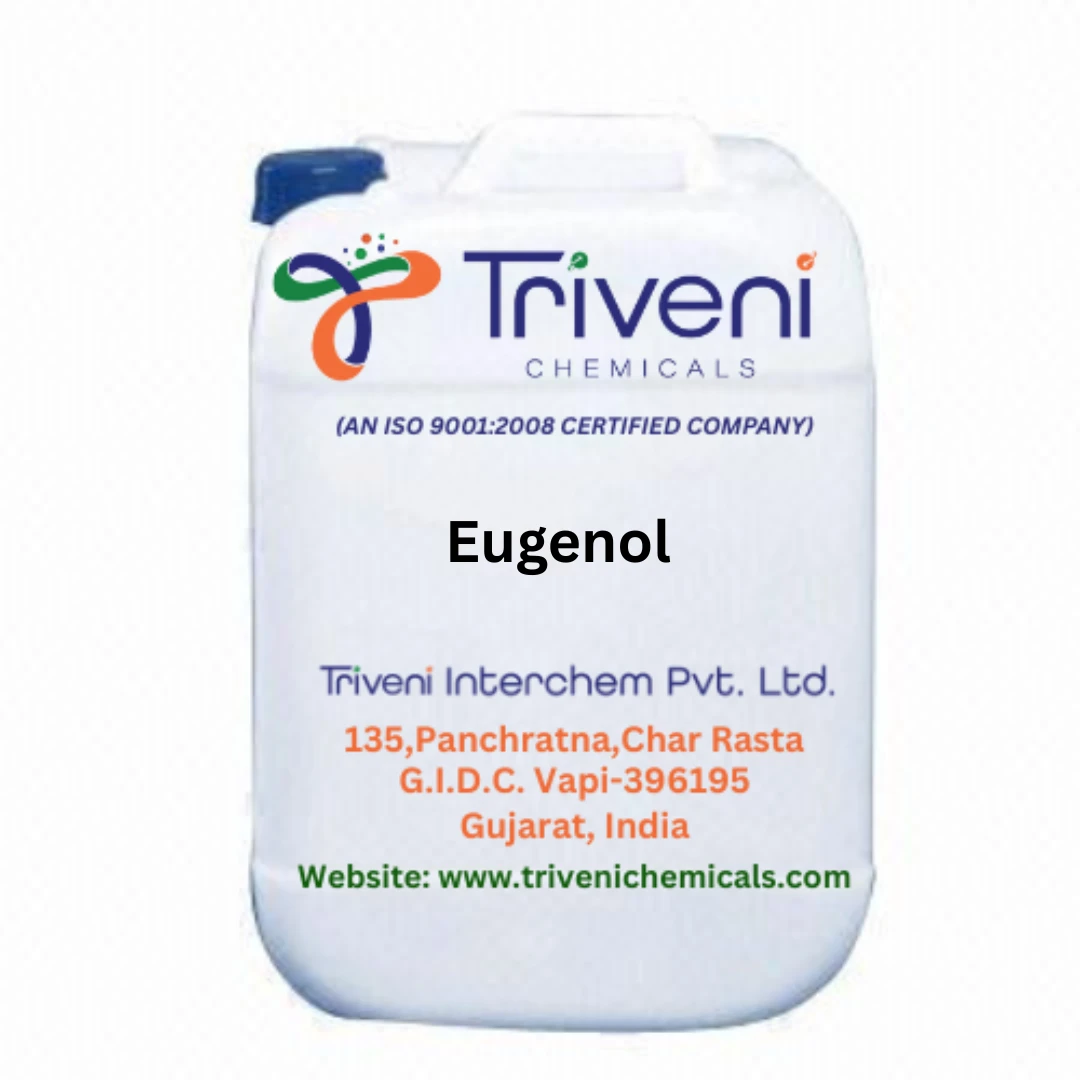
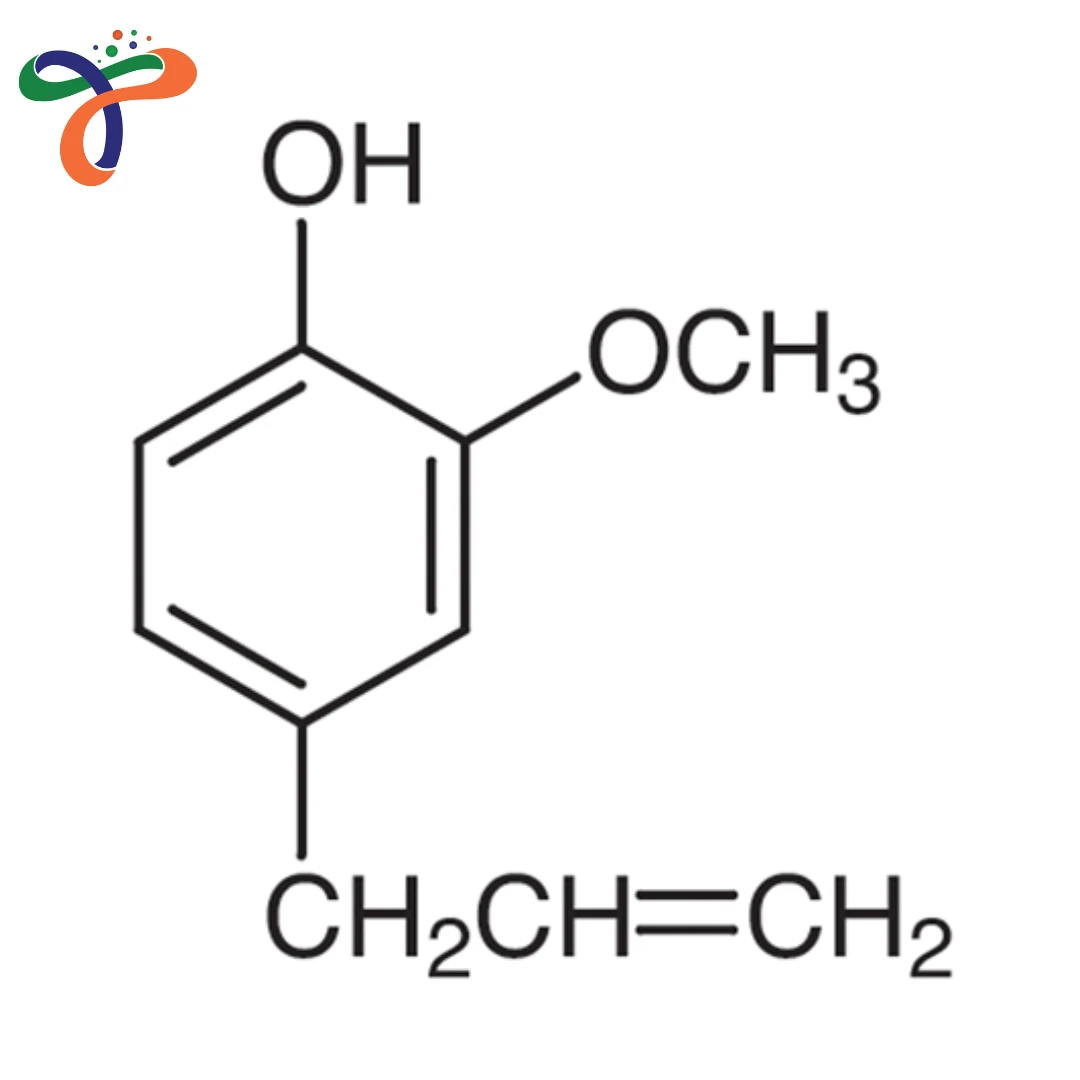
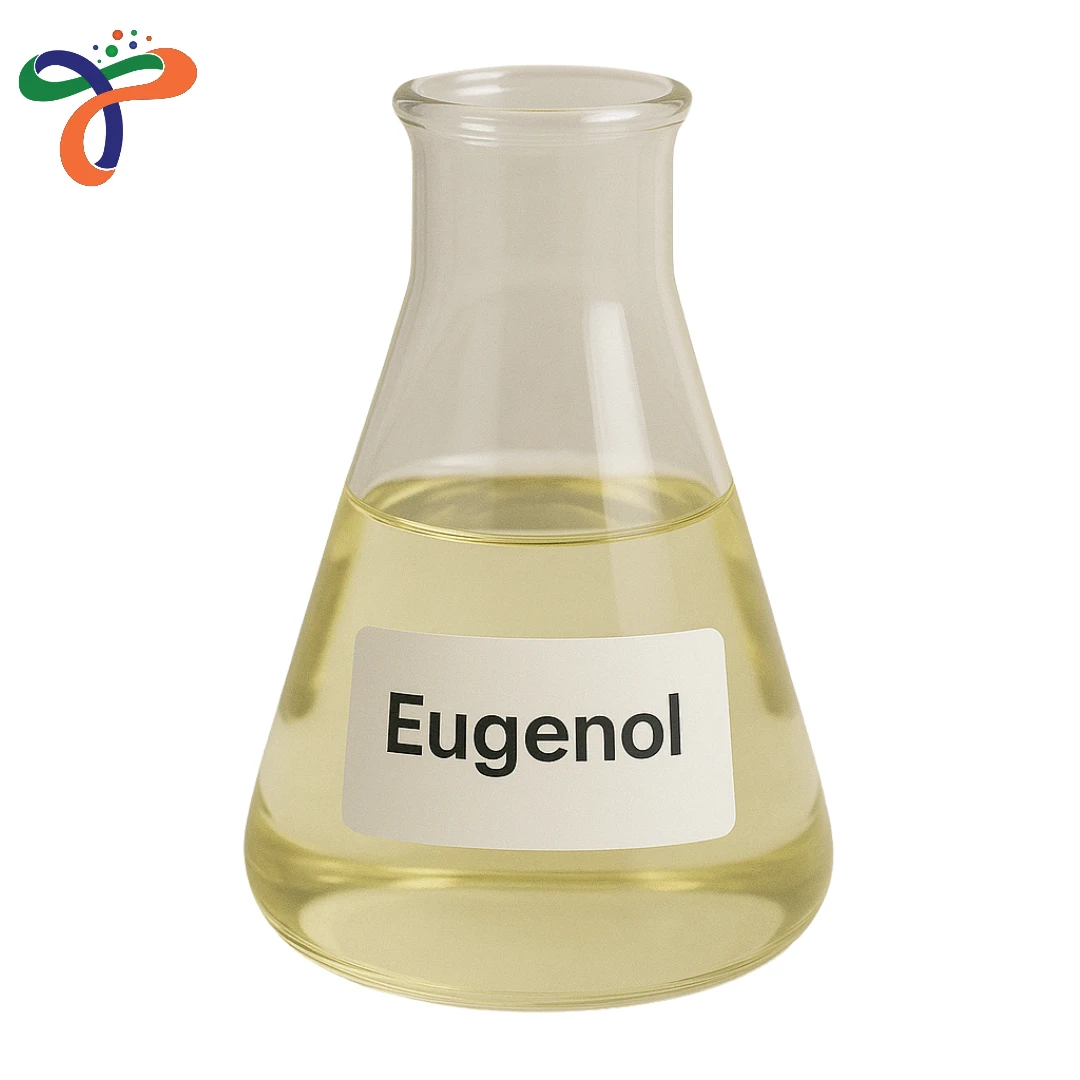
Eugenol | 97-53-0
Cas No :
97-53-0
Form :
Liquid
Molecular Weight :
118.17 g/mol
Molecular Formula :
C10H12O2
Boiling Point :
171 °C
Melting Point :
-114 °C
Flash Point :
63 °C
Solubility :
Miscible with water
Description :
Overview of Eugenol
Eugenol is a colorless to pale yellow liquid with a spicy, clove-like aroma. It is a natural phenolic compound primarily found in clove oil, cinnamon, bay leaves, and nutmeg.
In the pharmaceutical, cosmetic, and flavor industries, Eugenol is valued for its analgesic, antibacterial, antioxidant, and aromatic properties. It is also one of the most important ingredients in dental care formulations and essential oil-based perfumery.
Applications of Eugenol
Dental & Medical Uses
Eugenol in dental care is widely used for its analgesic and antiseptic properties. Dentists use Eugenol liquid to relieve tooth pain, gum inflammation, and pulp irritation. It is a key ingredient in temporary fillings, zinc oxide-eugenol pastes, and root canal materials because of its soothing, numbing, and anti-inflammatory action.
Eugenol liquid dental uses also include mouthwashes and oral gels where it acts as a natural antiseptic and flavoring agent. It helps in maintaining oral hygiene while providing a mild clove aroma that promotes freshness.
Explore similar pharmaceutical ingredients like Disodium Succinate and Ethyl Oleate.
Cosmetic & Hair Care Applications
Eugenol has numerous benefits for hair, such as stimulating growth, reducing dandruff, strengthening the scalp and stimulating its antifungal and antioxidant capabilities. Eugenol can be found in hair oils, serums and scalp treatments used to promote healthier, shiner locks.
In skincare, Eugenol provides antibacterial action, making it useful in creams, soaps, and cleansers designed for acne-prone skin. Its pleasant aroma also enhances the fragrance profile of cosmetic products.
You may also like Octyl Palmitate and Fenchyl Alcohol.
Fragrance & Flavor Applications
Eugenol is one of the most important aroma chemicals in the fragrance industry. Its spicy, clove-like, and warm scent makes it a core ingredient in oriental, woody, and floral perfumes. It is used in soaps, candles, and air fresheners for a natural and comforting fragrance.
In the flavor industry, Eugenol adds spicy, warm, and slightly sweet notes to baked goods, sauces, candies, and beverages. It enhances the natural taste of foods and is often used in clove, cinnamon, and nutmeg flavor formulations.
Discover related aroma compounds such as Rosalva and Linalyl Formate.
Food & Natural Sources
If you’re wondering what foods are high in eugenol, here are some examples:
Cloves (the richest natural source)
Cinnamon
Bay leaves
Nutmeg
Basil
Allspice
These natural sources contribute to the warm, spicy aroma and antioxidant properties of Eugenol, making it both a culinary flavoring and a therapeutic essential oil compound.
5. Industrial & Chemical Uses
In industrial applications, Eugenol is used as a precursor for vanillin, antiseptic compounds, and synthetic fragrance molecules. It’s also used in paints, resins, and chemical intermediates for the production of bio-based materials.
Safety & Handling Guidelines
Always wear protective gloves, goggles, and lab clothing while handling.
Avoid direct inhalation or skin contact.
Use in a well-ventilated area or under a chemical fume hood.
Store in tightly sealed containers in a cool, dry, and dark location, away from strong oxidizers.
Dispose of waste in compliance with local environmental regulations.
Where to Buy Eugenol
Eugenol Manufacturer in India
ChemicalBull manufactures and supplies high-quality Eugenol for pharmaceutical, fragrance, and cosmetic industries. Our Eugenol meets international purity and safety standards suitable for industrial and research applications.
Eugenol Distributor & Supplier in Vapi
We provide bulk and laboratory-grade Eugenol liquid with secure packaging and timely delivery across India and international markets. Available in moisture-resistant containers and customizable quantities. Explore our full range of Aroma Chemicals and Fine Chemicals for your formulation needs.
Eugenol MSDS
Request the official Material Safety Data Sheet (MSDS) for complete details on handling, toxicity, and regulatory information about Eugenol from ChemicalBull.
Frequently Asked Questions
What is Eugenol used for?
Eugenol is used in dental care, perfumes, flavorings, and cosmetics. It acts as an antiseptic, pain reliever, and fragrance ingredient, making it highly versatile across industries.What are Eugenol liquid dental uses?
Eugenol liquid is used by dentists for toothache relief, cavity treatment, and temporary fillings. It has numbing and antibacterial properties, making it a natural choice for dental care products.What are Eugenol's benefits for hair?
Eugenol helps stimulate hair growth, reduce dandruff, and strengthen hair follicles. Its antioxidant and antifungal nature supports scalp health.What foods are high in Eugenol?
Foods high in Eugenol include cloves, cinnamon, nutmeg, bay leaves, basil, and allspice — all known for their aromatic, spicy flavor.Where can I find Eugenol?
You can buy pure Eugenol from ChemicalBull, a trusted Eugenol manufacturer and supplier in India, offering bulk and laboratory-grade materials.
ChemicalBull supplies Eugenol across India, serving customers in Andhra Pradesh, Arunachal Pradesh, Assam, Bihar, Chhattisgarh, Goa, Gujarat, Haryana, Himachal Pradesh, Jharkhand, Karnataka, Kerala, Madhya Pradesh, Maharashtra, Manipur, Meghalaya, Mizoram, Nagaland, Odisha, Punjab, Rajasthan, Sikkim, Tamil Nadu, Telangana, Tripura, Uttar Pradesh, Uttarakhand, and West Bengal, as well as the Union Territories of Andaman & Nicobar Islands, Chandigarh, Dadra & Nagar Haveli and Daman & Diu, Delhi, Jammu & Kashmir, Ladakh, Lakshadweep, and Puducherry. We serve pharmaceutical, chemical, research, academic, laboratory, manufacturing, and industrial customers with reliable nationwide delivery.