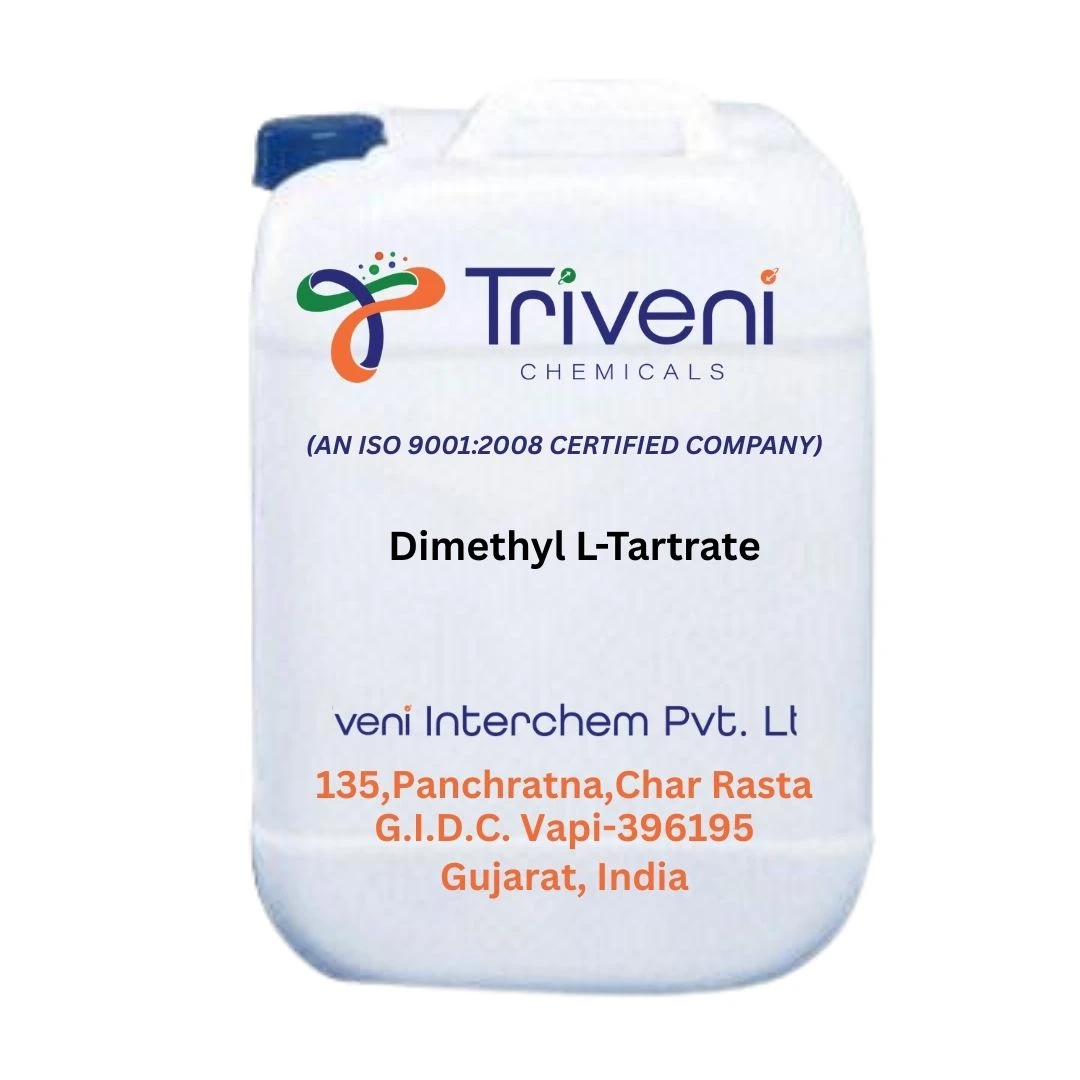
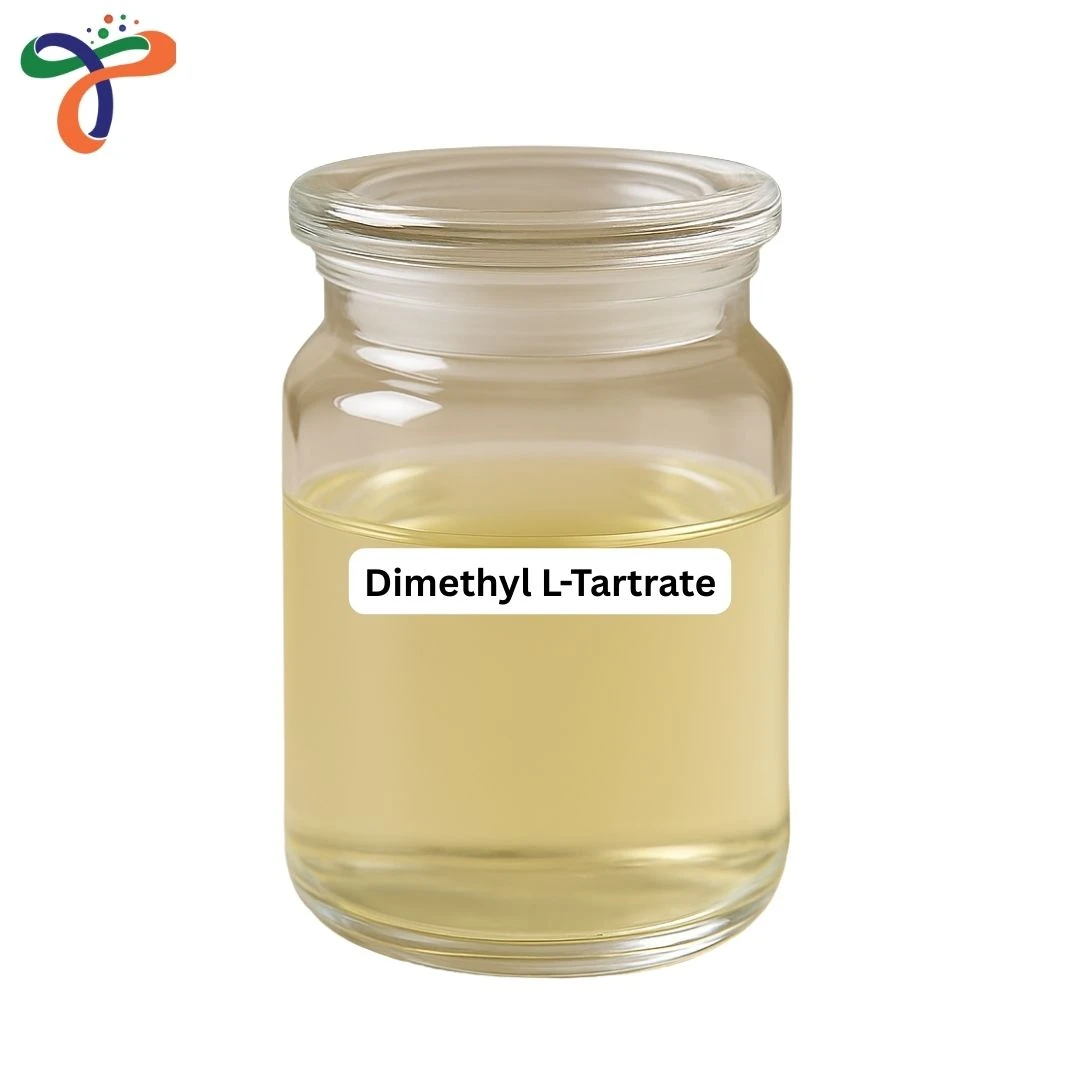
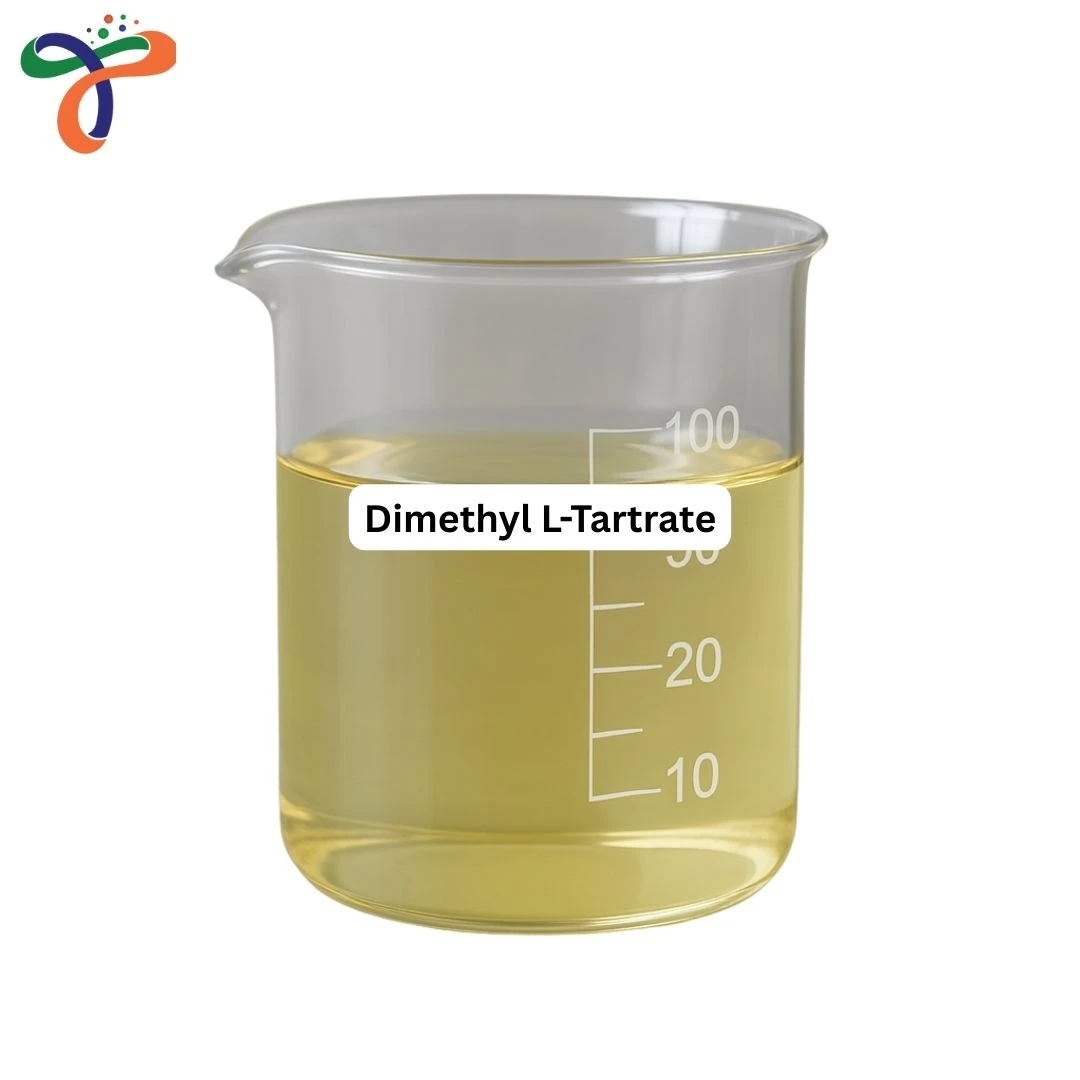
Dimethyl L-tartrate | 608-68-4
Cas No :
608-68-4
Form :
Liquid
Molecular Weight :
210.14 G/mol
Boiling Point :
230 °c
Melting Point :
-20 °c
Flash Point :
40 °c
Solubility :
Soluble In Acetone, Ethyl Acetate, And Chloroform; Slightly Soluble In Water
Description :
Overview of Dimethyl L-Tartrate
Dimethyl L-Tartrate (CAS: 617-47-4) is a chemical compound that belongs to the tartrate ester family. It is commonly used in the synthesis of pharmaceuticals, flavors, and fragrances due to its chiral center. This colorless liquid has a pleasant, fruity odor and is typically produced through the esterification of L-tartaric acid with methanol. Dimethyl L-Tartrate serves as a precursor in various organic reactions, especially in the production of optically active compounds.
In the pharmaceutical industry, it plays a role in the synthesis of chiral intermediates used in active pharmaceutical ingredients (APIs). Its ability to selectively influence stereochemistry makes it valuable for drug design, while in flavors and fragrances, it imparts desirable fruity characteristics. Dimethyl L-Tartrate is also important in the synthesis of agrochemicals, cosmetic ingredients, and specialty chemicals.
Related products available on ChemicalBull include L-Tartaric Acid, Dimethyl Tartrate, and Methyl L-Tartrate – chemicals frequently used in pharmaceutical, cosmetic, and chemical synthesis applications.
Applications of Dimethyl L-Tartrate
Pharmaceutical Synthesis
-
Used in the production of chiral intermediates for pharmaceutical APIs
-
Key reagent in the synthesis of optically active compounds for drug formulations
-
Facilitates stereoselective synthesis in drug design and bioactive molecules
Flavors & Fragrances
-
Adds a fruity, tart flavor to food and beverage formulations
-
Used as a flavor enhancer in beverages, confectionery, and baked goods
-
Contributes to the fragrance profile of perfumes and cosmetic products
Agrochemical Manufacturing
-
Employed in the production of agrochemical intermediates
-
Used in the synthesis of pesticides, fungicides, and herbicides
-
Plays a role in crop protection and agriculture formulations
Chemical Synthesis
-
Used as a reagent in organic chemistry for esterification reactions
-
Important in synthesis of esters and specialty chemicals
-
Serves as a precursor for other chemical compounds in laboratory settings
Cosmetic & Personal Care Products
-
Incorporated into formulations for skin care and hair care products
-
Provides fruity notes in perfumes and body lotions
-
Used as a fixative in fragrance formulations for cosmetic products
Safety & Handling Guidelines
-
Causes irritation to skin, eyes, and respiratory system upon contact
-
Use protective gloves, goggles, and respiratory protection when handling
-
Store in tightly sealed containers in a cool, dry place
-
Handle in well-ventilated areas to avoid inhaling vapors
-
Follow COA and MSDS guidelines carefully for safety precautions
Where to Buy Dimethyl L-Tartrate?
Dimethyl L-Tartrate Manufacturer
ChemicalBull supplies high-purity Dimethyl L-Tartrate suitable for pharmaceutical, food, agrochemical, and cosmetic formulations.
Dimethyl L-Tartrate Supplier & Distributor
-
Available in bulk and laboratory-scale packaging
-
Ideal for chiral synthesis, flavor enhancement, and cosmetic production
-
COA, MSDS, and technical specifications available
Dimethyl L-Tartrate MSDS
-
May cause mild irritation to the skin, eyes, and respiratory system
-
Avoid inhalation of vapors and prolonged exposure
-
Store away from moisture, oxidizing agents, and heat sources
-
Refer to the MSDS for spill response, emergency procedures, and disposal guidelines
Frequently Asked Questions (FAQs)
-
What is the molecular formula of Dimethyl L-Tartrate?
Molecular Formula: C₆H₁₀O₄
Molecular Weight: 174.14 g/mol -
What is Dimethyl L-Tartrate used for?
Dimethyl L-Tartrate is primarily used in pharmaceutical synthesis, flavors and fragrances, and chemical reactions that require optically active compounds. -
Is Dimethyl L-Tartrate hazardous?
Yes, it may cause skin, eye, and respiratory irritation. Protective equipment and proper handling protocols should be followed. -
Which industries use Dimethyl L-Tartrate?
It is used in the pharmaceutical, food, cosmetic, and agrochemical industries. -
How should Dimethyl L-Tartrate be stored?
Store in airtight containers in a cool, dry place, away from heat, moisture, and incompatible materials.
ChemicalBull supplies Dimethyl L-tartrate across India, serving customers in Andhra Pradesh, Arunachal Pradesh, Assam, Bihar, Chhattisgarh, Goa, Gujarat, Haryana, Himachal Pradesh, Jharkhand, Karnataka, Kerala, Madhya Pradesh, Maharashtra, Manipur, Meghalaya, Mizoram, Nagaland, Odisha, Punjab, Rajasthan, Sikkim, Tamil Nadu, Telangana, Tripura, Uttar Pradesh, Uttarakhand, and West Bengal, as well as the Union Territories of Andaman & Nicobar Islands, Chandigarh, Dadra & Nagar Haveli and Daman & Diu, Delhi, Jammu & Kashmir, Ladakh, Lakshadweep, and Puducherry. We serve pharmaceutical, chemical, research, academic, laboratory, manufacturing, and industrial customers with reliable nationwide delivery.