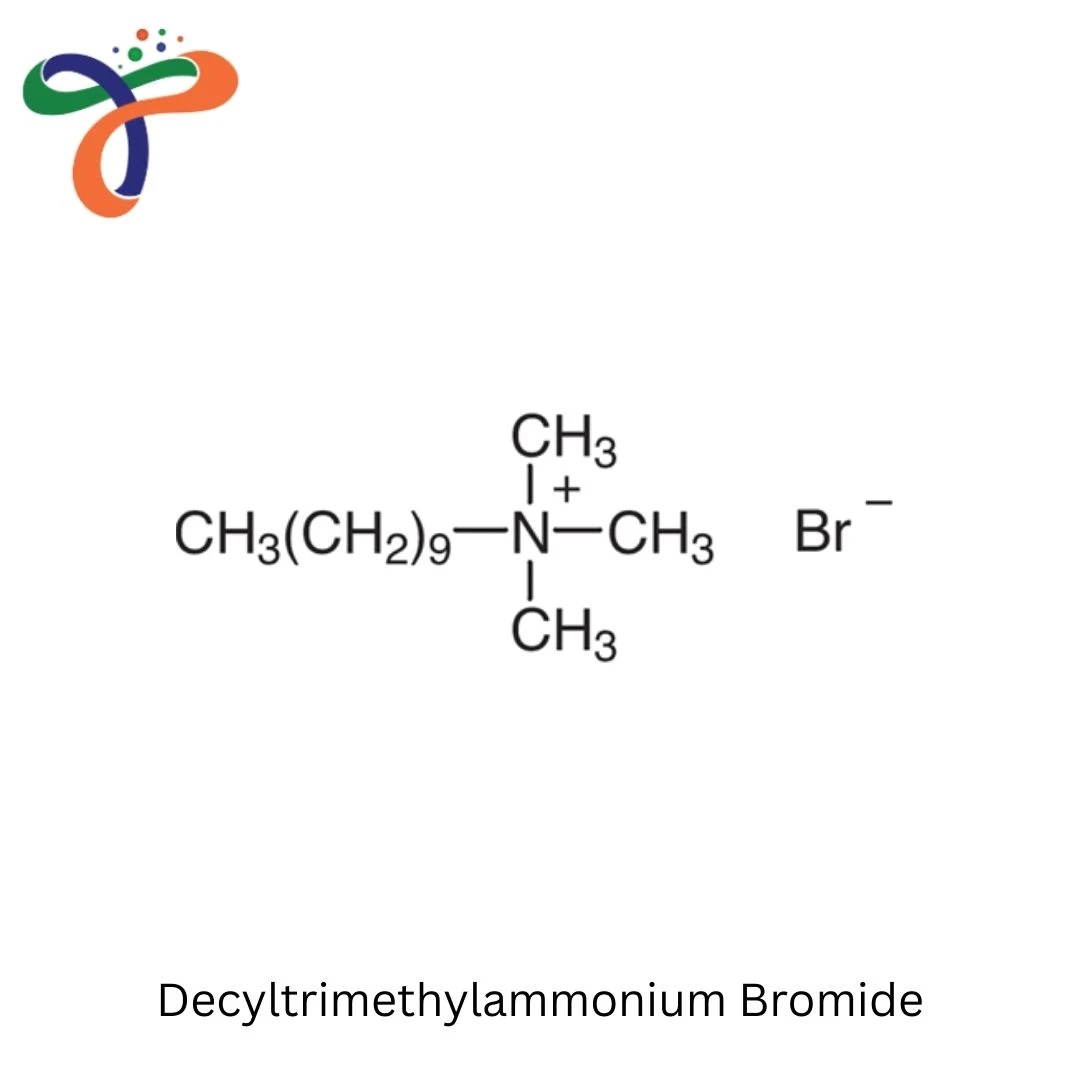
Decyl Trimethyl Ammonium Bromide | 2082-84-0
Cas No :
2082-84-0
Form :
Solid
Molecular Weight :
280.29 G/mol
Molecular Formula :
C13H30BRN
Description :
Overview of Decyltrimethylammonium Bromide
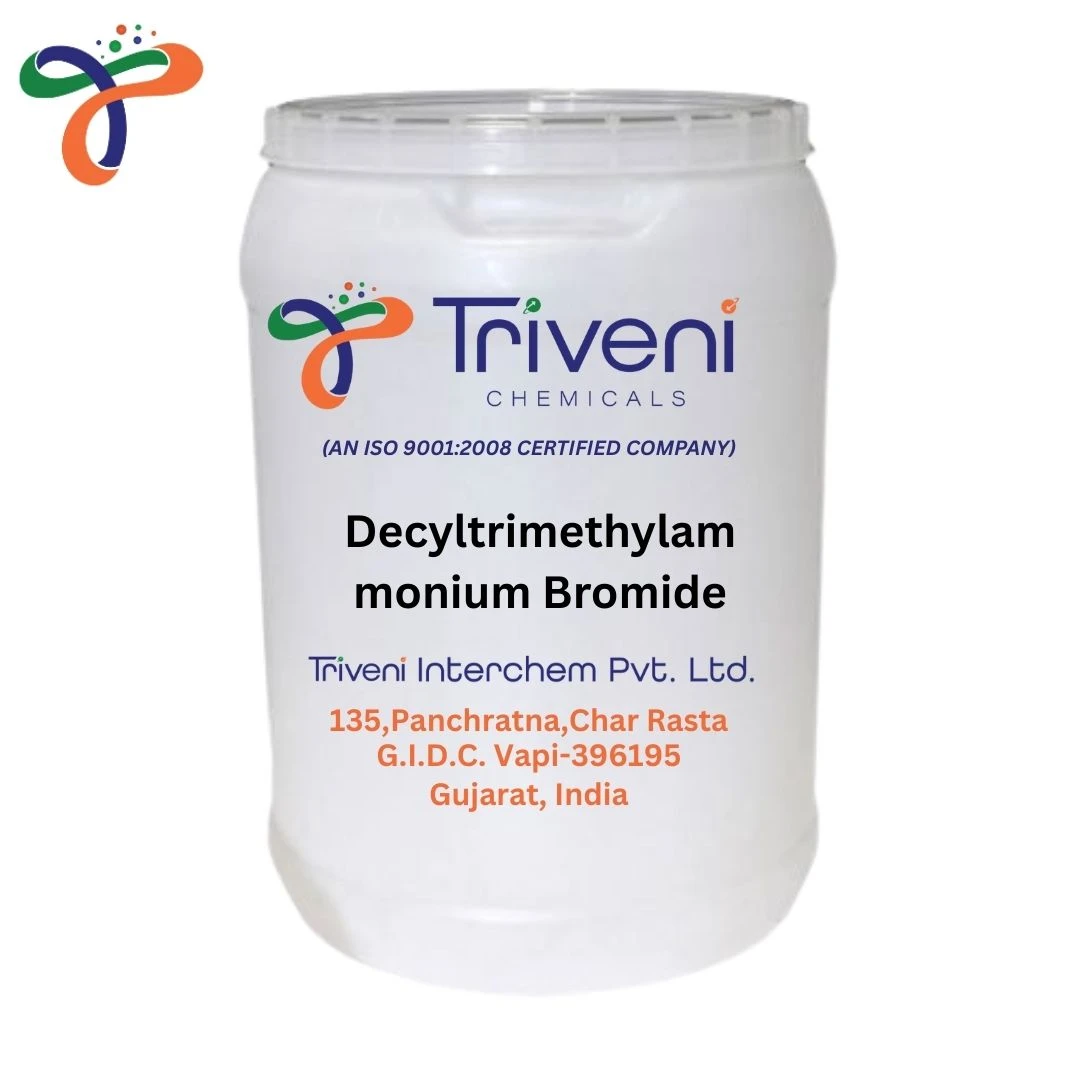
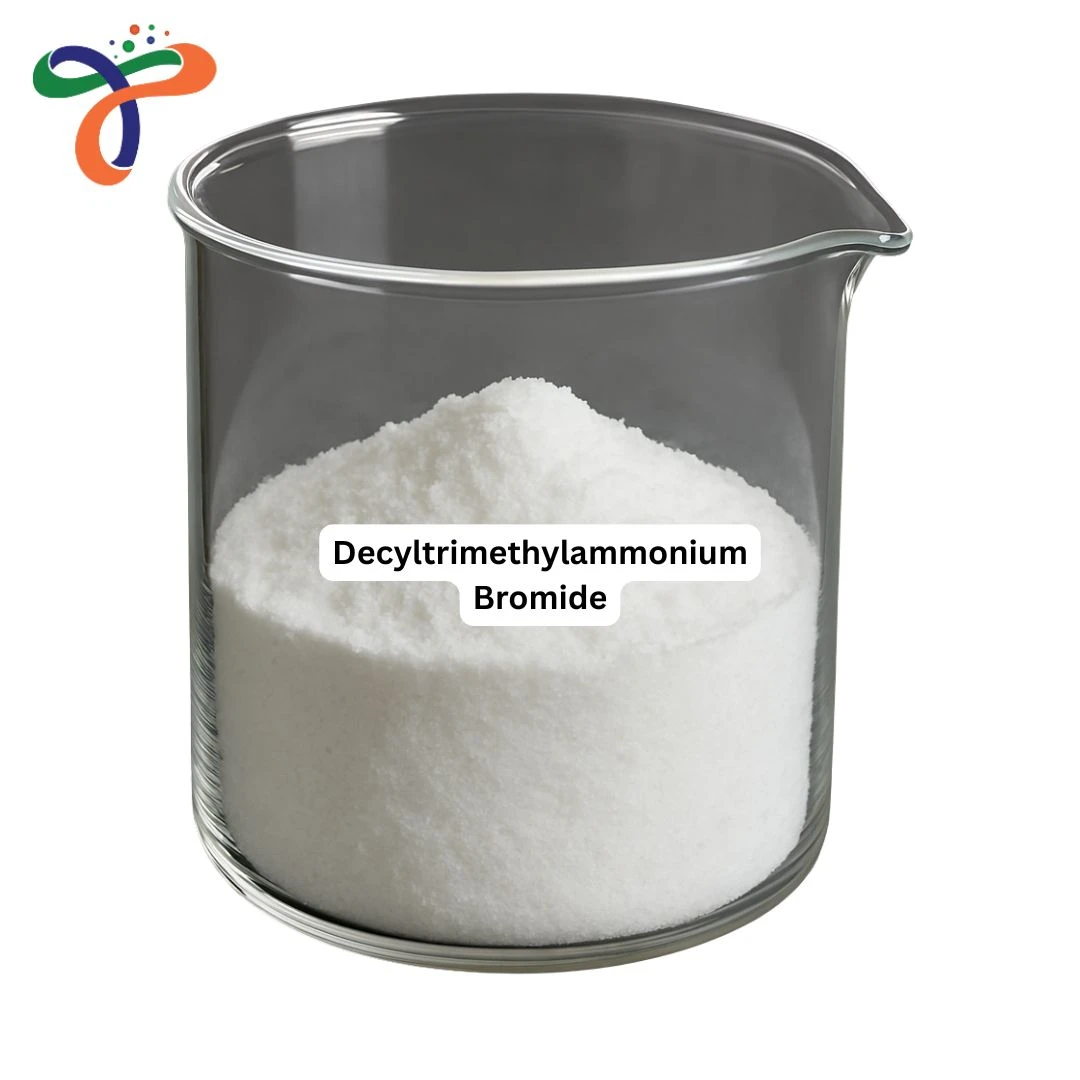
Decyltrimethylammonium Bromide (DTAB) is a cationic surfactant widely used in personal care, pharmaceuticals, and industrial formulations. It provides antimicrobial activity, wetting, and conditioning properties in shampoos, conditioners, disinfectants, and surface treatments. Known for its excellent solubility in water and strong surface activity, DTAB is ideal for applications requiring mild antimicrobial and foaming properties.
Its CAS number is 1119-94-4, and it is typically supplied as a white crystalline powder or granules. DTAB is often combined with other surfactants, emollients, and conditioning agents such as Cetrimonium Bromide, Benzalkonium Chloride, Cocamidopropyl Betaine, and Cetyl Alcohol to optimise mildness, antimicrobial efficiency, and formulation stability.
Application of Decyltrimethylammonium Bromide
Personal Care Products
DTAB is used in shampoos, conditioners, and hair care products to provide softness, manageability, and antimicrobial protection. It helps improve foam stability and wetting, making it effective in both liquid and solid formulations.
Pharmaceutical and Cosmetic Formulations
It is employed in topical antiseptics, disinfectant sprays, and hand sanitisers due to its antimicrobial properties. DTAB is suitable for creams and lotions that require mild surface activity and microbial control.
Industrial and Speciality Applications
Decyltrimethylammonium Bromide is also applied in water treatment, textile processing, and surface-active formulations where cationic surfactant properties are required for wetting, emulsification, or antimicrobial protection.
Related Products for Interlinking
-
Cetrimonium Bromide
-
Benzalkonium Chloride
-
Cocamidopropyl Betaine
-
Cetyl Alcohol
-
Stearyl Alcohol
-
Behentrimonium Methosulphate
Safety and Handling Guidelines
-
Store in a cool, dry, and well-ventilated area
-
Keep containers tightly closed
-
Avoid inhalation, ingestion, and direct contact with eyes or skin
-
Use protective gloves and goggles when handling in bulk
-
Follow recommended usage levels according to application type
When handled properly, Decyltrimethylammonium Bromide is stable, safe, and highly effective as a cationic surfactant and antimicrobial agent.
Where to Buy Decyltrimethylammonium Bromide?
Manufacturer
Produced by certified chemical manufacturers under strict quality control to ensure high purity, consistent particle quality, and reliable antimicrobial performance.
Supplier & Distributor
Triveni Chemicals supplies high-quality Decyltrimethylammonium Bromide for personal care, pharmaceuticals, and industrial applications. As a trusted supplier, distributor, trader, and exporter, we provide technical support, proper grades, and complete documentation, ensuring reliable supply.
MSDS for Decyltrimethylammonium Bromide
The MSDS provides essential information on safe handling, storage, hazards, and regulatory compliance and is available on request.
Frequently Asked Questions (FAQs)
-
What is Decyltrimethylammonium Bromide used for?
It is a cationic surfactant used in shampoos, conditioners, disinfectants, and industrial formulations for conditioning, wetting, and antimicrobial activity. -
Is DTAB safe for hair and skin?
Yes, it is safe when used at recommended concentrations and is widely used in personal care products. -
Can DTAB be combined with other surfactants?
Yes, it is often blended with Cocamidopropyl Betaine, Cetyl Alcohol, or Cetrimonium Bromide for improved mildness and performance. -
Which industries benefit most from DTAB?
Personal care, pharmaceuticals, industrial cleaning, water treatment, and textile processing. -
Does DTAB have antimicrobial properties?
Yes, it provides effective microbial control in shampoos, disinfectants, and surface-active formulations.
ChemicalBull supplies Decyl Trimethyl Ammonium Bromide across India, serving customers in Andhra Pradesh, Arunachal Pradesh, Assam, Bihar, Chhattisgarh, Goa, Gujarat, Haryana, Himachal Pradesh, Jharkhand, Karnataka, Kerala, Madhya Pradesh, Maharashtra, Manipur, Meghalaya, Mizoram, Nagaland, Odisha, Punjab, Rajasthan, Sikkim, Tamil Nadu, Telangana, Tripura, Uttar Pradesh, Uttarakhand, and West Bengal, as well as the Union Territories of Andaman & Nicobar Islands, Chandigarh, Dadra & Nagar Haveli and Daman & Diu, Delhi, Jammu & Kashmir, Ladakh, Lakshadweep, and Puducherry. We serve pharmaceutical, chemical, research, academic, laboratory, manufacturing, and industrial customers with reliable nationwide delivery.