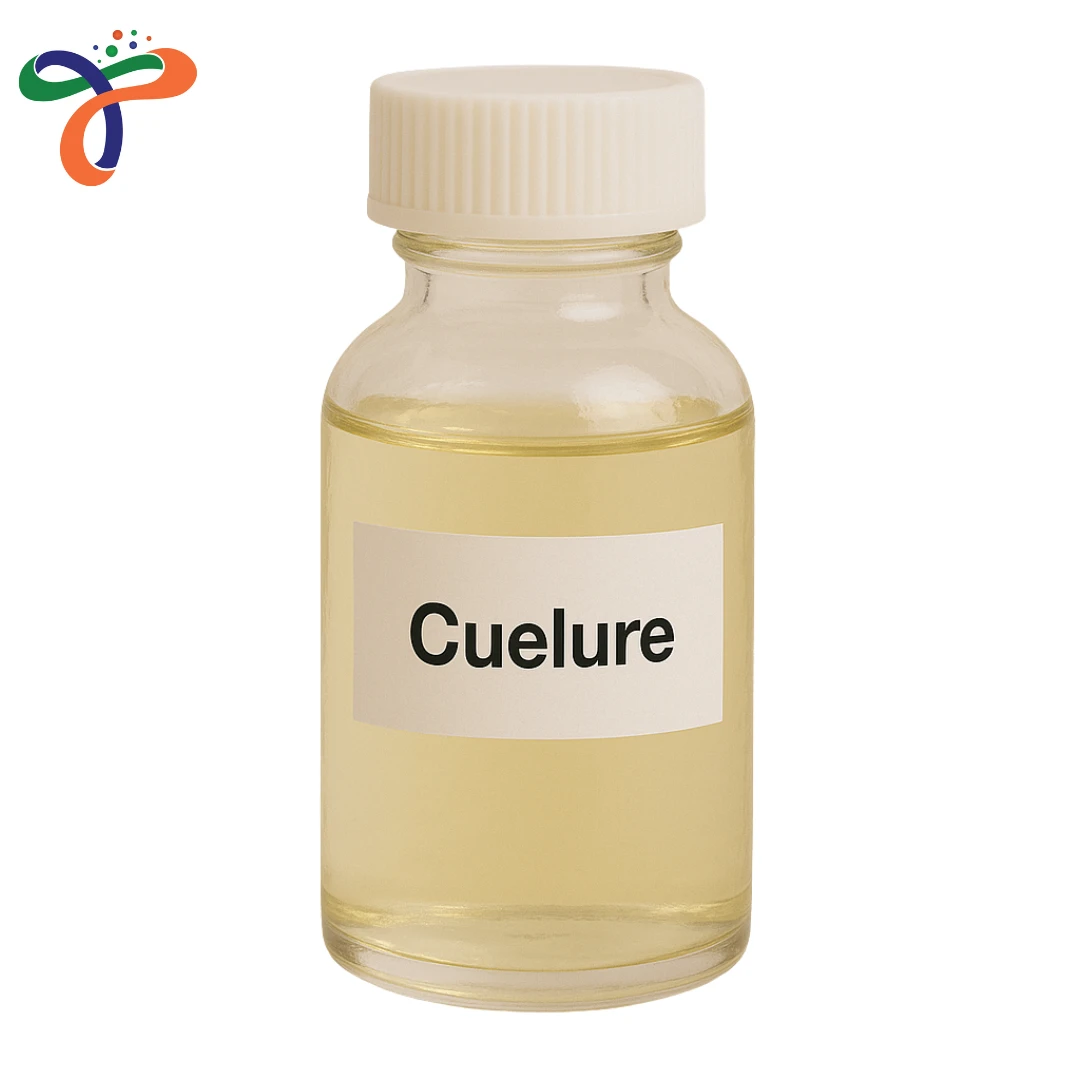
Cuelure | 610841
Cas No :
610841
Synonyms :
Form :
Liquid
Molecular Weight :
206.24 G/mol
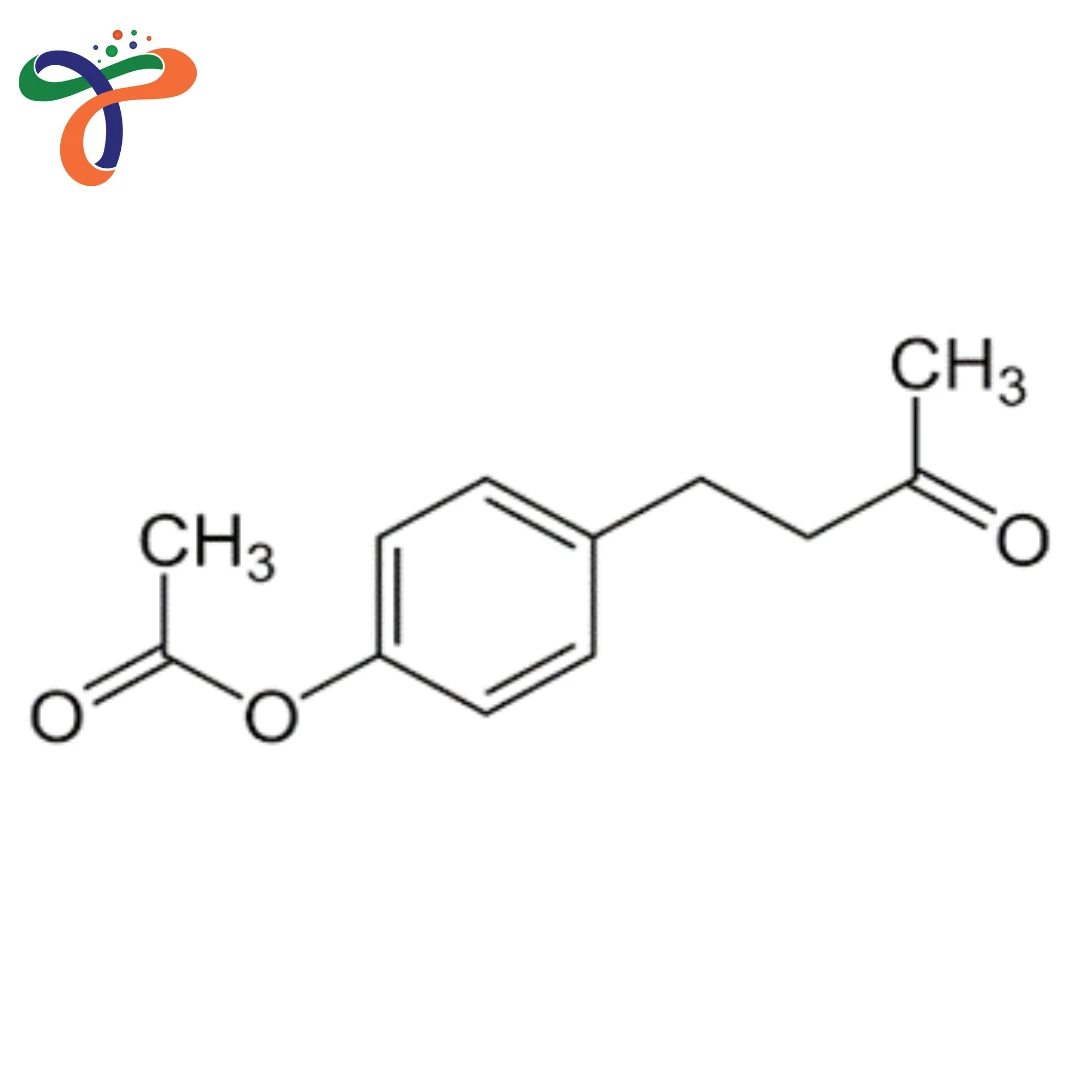
Molecular Formula :
C₁₂H₁₄O₃
Boiling Point :
352.6 °c At 760 Mmhg
Flash Point :
113–134 °c
Solubility :
Practically Insoluble In Water, Soluble In Alcohol , Acetone ,benzene ,oils
Description :
Overview of Cuelure
Cuelure is a clear to pale yellow liquid with a sweet, fruity, raspberry-like smell. It is mainly used as a synthetic insect attractant and pheromone for pest control, especially to attract male fruit flies like the melon fly (Dacus cucurbitae). It has the chemical formula C₁₂H₁₄O₃, and it is a phenol ester that is similar to raspberry ketone. Cuelure doesn't dissolve in water, but it does dissolve in many organic solvents and some fat-based carriers. This makes it useful for farming. Methyl Eugenol and Raspberry Ketone are some other products that are often used in the same situations.
Applications of Cuelure
Pest Management and Agriculture
Cuelure is a handy tool for integrated pest management because it can be used to attract and catch fruit flies in greenhouses, orchards, and vegetable farms. It is used in mass trapping and surveillance to find fruit flies early, which helps get rid of them, especially in cucurbit and fruit crops. Cuelure-based traps are often used with Methyl Eugenol to catch more types of bugs. Research groups for sustainable pest control in regional agriculture back its use.
Research and Insect Behavior Studies
Scientists use cuelure a lot in labs to learn about how insects communicate with pheromones, how they eat, and how they mate. Scientists learn about the life cycle and reproductive habits of fruit flies by comparing the effectiveness of Cuelure to similar compounds like Raspberry Ketone and Isoamyl Acetate. It is also essential for making lures and traps that work on specific pests to reduce crop loss.
Comparisons and Formulation
Cuelure has a unique structure and long-lasting effect compared to other synthetic and natural attractants. This makes it more attractive to certain types of tephritid fruit flies. It is often made in solid blocks, wicks, or liquid dispensers with other co-attractants that work together, such as Methyl Eugenol and Raspberry Ketone.
Industrial Uses
Cuelure can be used for more than just farming. It can also be used for quality control in insect traps and repellents and for calibrating equipment in the entomological supply chain. As a pheromone analog, it is connected to the chemical synthesis of similar volatiles, such as Phenylacetonitrile.
Guidelines for Safety and Handling
-
Handle Cuelure with gloves, safety goggles, and protective clothing to prevent skin and eye irritation—mild irritation may occur through contact.
-
Work in well-ventilated areas or fume hoods; Cuelure’s volatile nature and fruity odor can be overwhelming in enclosed spaces.
-
Keep containers tightly closed and store at 0–4°C for short-term or -20°C for long-term to avoid degradation and evaporation.
-
Avoid ingestion, inhalation, or direct contact with mucous membranes; wash hands thoroughly after handling and do not eat, drink, or smoke during use.
-
For spills, absorb with inert materials (sand or earth), prevent runoff to drains or water systems, and dispose of as per local regulations.
-
Cuelure is not highly hazardous, but direct exposure can cause mild irritation—long-term environmental impacts are minimal at recommended usage levels.
Where can you buy Cuelure?
Cuelure Manufacturer in India
ChemicalBull sells high-purity cuelure for farming, research, and pest control, and it supports quality documentation and batch tracing.
Cuelure Distributor and Supplier in Vapi
ChemicalBull offers reliable distribution for both small and large orders, making it a good choice for orchards, greenhouses, and research projects.
Cuelure MSDS
ChemicalBull's Material Safety Data Sheet (MSDS) can give you detailed information about toxicity, storage, safety, and environmental impact.
Frequently Asked Questions
-
What is Cuelure used for?
Cuelure is mainly used in agriculture to trap and keep an eye on fruit fly populations. It is also used in research to study how insects behave. -
Is Cuelure safe?
Most people agree that cuelure is not very dangerous when used as directed, but you should still take precautions to avoid mild irritation or exposure. -
Is Cuelure the same thing as raspberry ketone?
Cuelure is a raspberry ketone analog that has a similar structure and smell but is made to attract specific types of fruit flies better.
ChemicalBull supplies Cuelure across India, serving customers in Andhra Pradesh, Arunachal Pradesh, Assam, Bihar, Chhattisgarh, Goa, Gujarat, Haryana, Himachal Pradesh, Jharkhand, Karnataka, Kerala, Madhya Pradesh, Maharashtra, Manipur, Meghalaya, Mizoram, Nagaland, Odisha, Punjab, Rajasthan, Sikkim, Tamil Nadu, Telangana, Tripura, Uttar Pradesh, Uttarakhand, and West Bengal, as well as the Union Territories of Andaman & Nicobar Islands, Chandigarh, Dadra & Nagar Haveli and Daman & Diu, Delhi, Jammu & Kashmir, Ladakh, Lakshadweep, and Puducherry. We serve pharmaceutical, chemical, research, academic, laboratory, manufacturing, and industrial customers with reliable nationwide delivery.