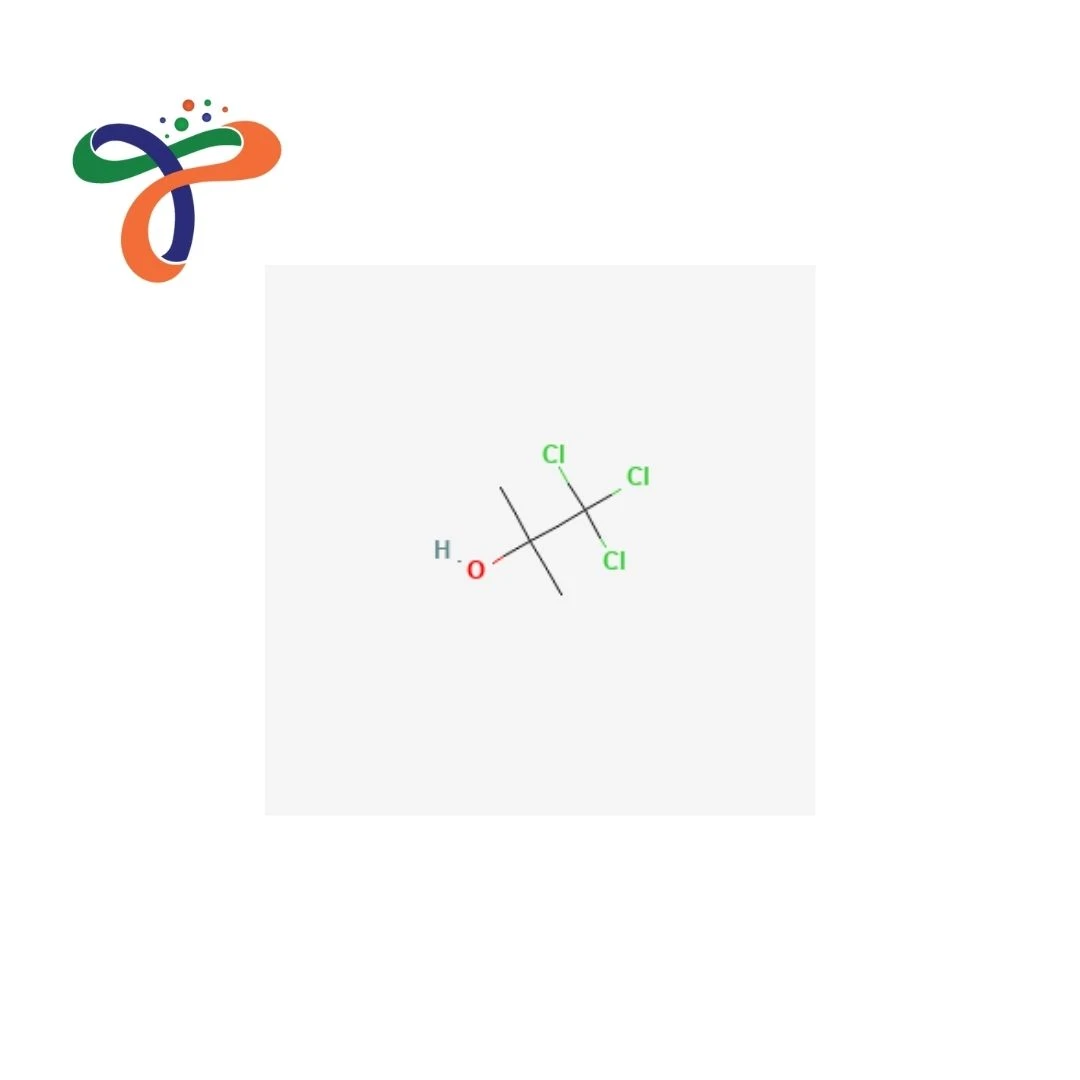
Chlorobutanol | 57-15-8
Cas No :
57-15-8
Synonyms :
Form :
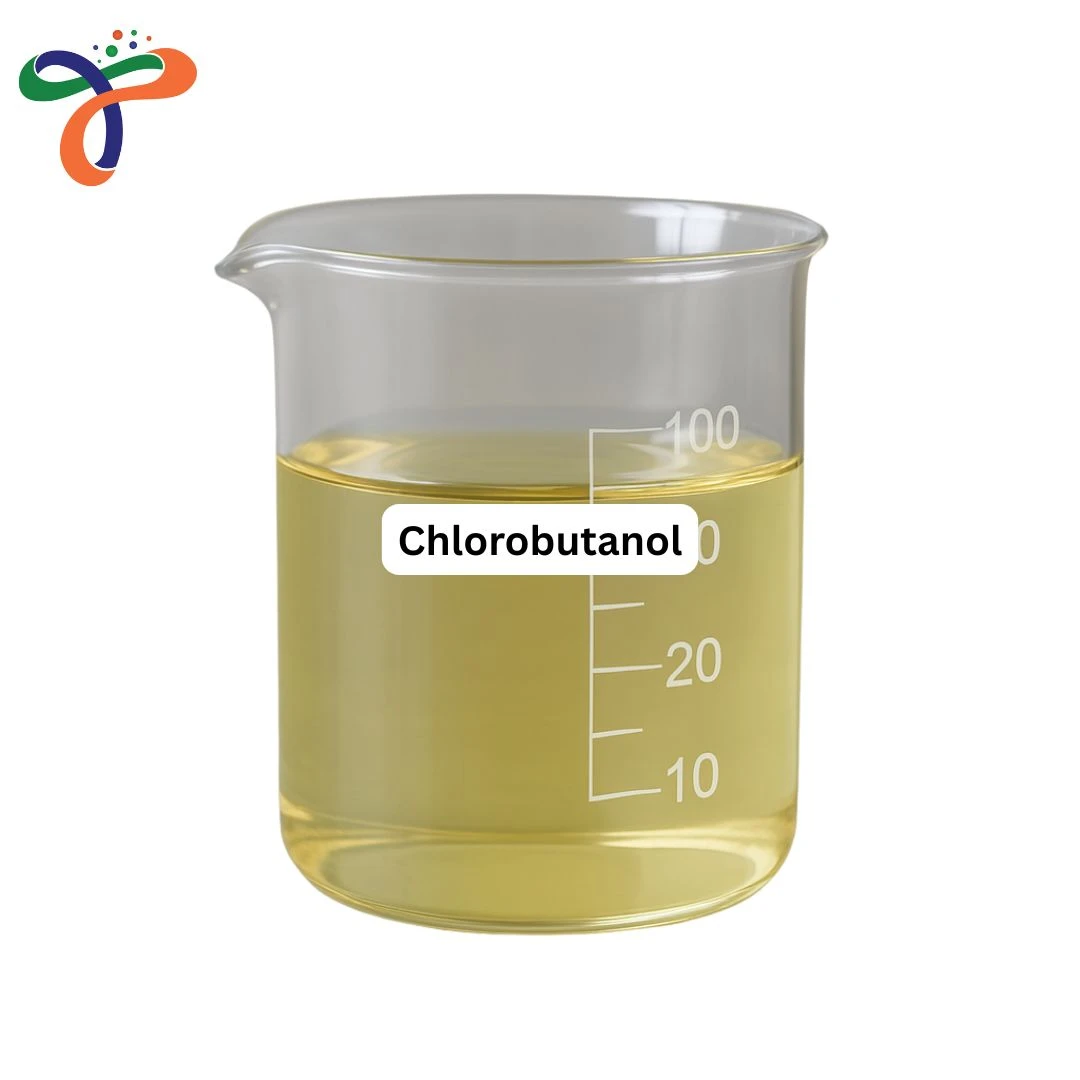
Liquid
Molecular Weight :
108.56 G/mol
Molecular Formula :
C4H7CL3O
Boiling Point :
180 °c
Melting Point :
-60 °c
Flash Point :
64 °c
Solubility :
Slightly Soluble In Water; Soluble In Organic Solvents
Description :
Overview of Chlorobutanol
Cysteamine Hydrochloride is a pharmaceutical-grade aminothiol chemical that is offered in the form of the hydrochloride salt of cysteamine. Salt forms enhance the chemical stability, handling security and aqueous compatibility, which makes it perfect for pharmaceutical use.
In pharmaceutical manufacturing, Chlorobutanol is valued for its preservative properties, chemical stability, and compatibility with injectable, ophthalmic, and topical dosage forms. It is produced under controlled conditions to meet pharmacopeial standards for purity and performance.
As a pharma chemical, Chlorobutanol functions mainly as a formulation excipient rather than an active therapeutic agent.
Applications of Chlorobutanol
Pharmaceutical Preservative & Formulation Use
Chlorobutanol is widely used as a preservative in injectable solutions, eye drops, and topical pharmaceutical products. Its antimicrobial activity helps maintain product integrity by inhibiting microbial growth during storage and use.
In preservative selection studies, it is often evaluated alongside Benzyl Alcohol for formulation compatibility.
Pharmaceutical Chemistry & Functional Characteristics
From a pharmaceutical chemistry perspective, the chlorobutanol structure consists of a tertiary alcohol with halogen substitution, which contributes to its antimicrobial action and chemical stability. Chlorobutanol colour is typically white to off-white in its crystalline form.
The chlorobutanol mechanism of action involves disruption of microbial cell membranes, leading to inhibition of microbial growth.
Industrial & Regulated Manufacturing Use
Chlorobutanol is manufactured as a high-purity pharmaceutical raw material with strict control over moisture content and impurities. It is suitable for use in regulated pharmaceutical manufacturing environments where preservative effectiveness and stability are critical.
In formulation development, it may be referenced alongside compounds such as Phenoxyethanol and buffering agents like Sodium Phosphate, depending on product requirements.
Safety & Handling Guidelines
- Store in a cool, dry, and controlled environment
- Protect from light and moisture
- Keep containers tightly sealed and clearly labelled
- Avoid inhalation of dust during handling
- Avoid direct contact with the eyes and skin
- Use appropriate personal protective equipment
- Handle under controlled pharmaceutical manufacturing conditions
- Dispose of waste according to regulatory guidelines
Where to Buy Chlorobutanol?
Chlorobutanol Manufacturer
Chlorobutanol is manufactured for pharmaceutical applications where consistent preservative performance, controlled purity, and regulatory compliance are required.
Chlorobutanol Supplier & Distributor
Pharmaceutical-grade Chlorobutanol is supplied in suitable packaging for formulation manufacturers. As a pharmaceutical chemicals supplier and distributor, Chemicalbull Pvt. Ltd. supports reliable sourcing with standard documentation.
MSDS for Chlorobutanol
The MSDS for Cysteamine Hydrochloride contains information about the dangers of chemical exposure, handling procedures the storage environment, and exposure control and emergency procedures. It is recommended to review it prior to the use of this product in manufacturing pharmaceuticals.
Frequently Asked Questions (FAQs)
-
-
What is Chlorobutanol used for?
Chlorobutanol is used in pharmaceutical formulations as an antimicrobial preservative in injectable, ophthalmic, and topical products. -
What is another name for Chlorobutanol?
Chlorobutanol is also known as chlorobutanol hemihydrate in pharmaceutical documentation. -
What is the colour of Chlorobutanol?
Chlorobutanol colour is typically white to off-white in crystalline form. -
What is the mechanism of action of Chlorobutanol?
Chlorobutanol works by disrupting microbial cell membranes, leading to inhibition of microbial growth. -
What is the structure of Chlorobutanol?
Chlorobutanol structure consists of a halogenated tertiary alcohol with a chlorinated carbon framework.
-
ChemicalBull supplies Chlorobutanol across India, serving customers in Andhra Pradesh, Arunachal Pradesh, Assam, Bihar, Chhattisgarh, Goa, Gujarat, Haryana, Himachal Pradesh, Jharkhand, Karnataka, Kerala, Madhya Pradesh, Maharashtra, Manipur, Meghalaya, Mizoram, Nagaland, Odisha, Punjab, Rajasthan, Sikkim, Tamil Nadu, Telangana, Tripura, Uttar Pradesh, Uttarakhand, and West Bengal, as well as the Union Territories of Andaman & Nicobar Islands, Chandigarh, Dadra & Nagar Haveli and Daman & Diu, Delhi, Jammu & Kashmir, Ladakh, Lakshadweep, and Puducherry. We serve pharmaceutical, chemical, research, academic, laboratory, manufacturing, and industrial customers with reliable nationwide delivery.