Chlorinated Polyethylene
Description :
Overview of Chlorinated Polyethylene
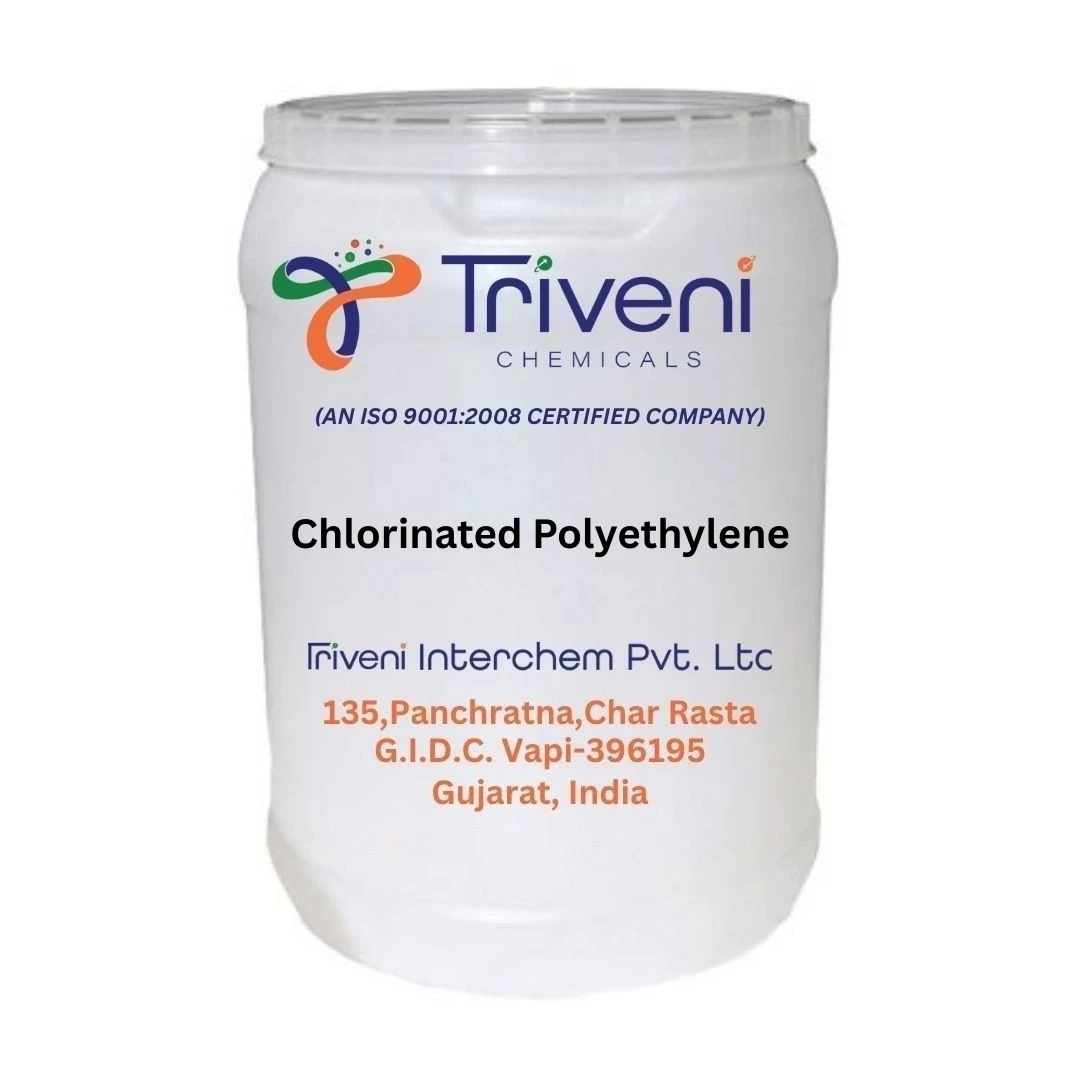
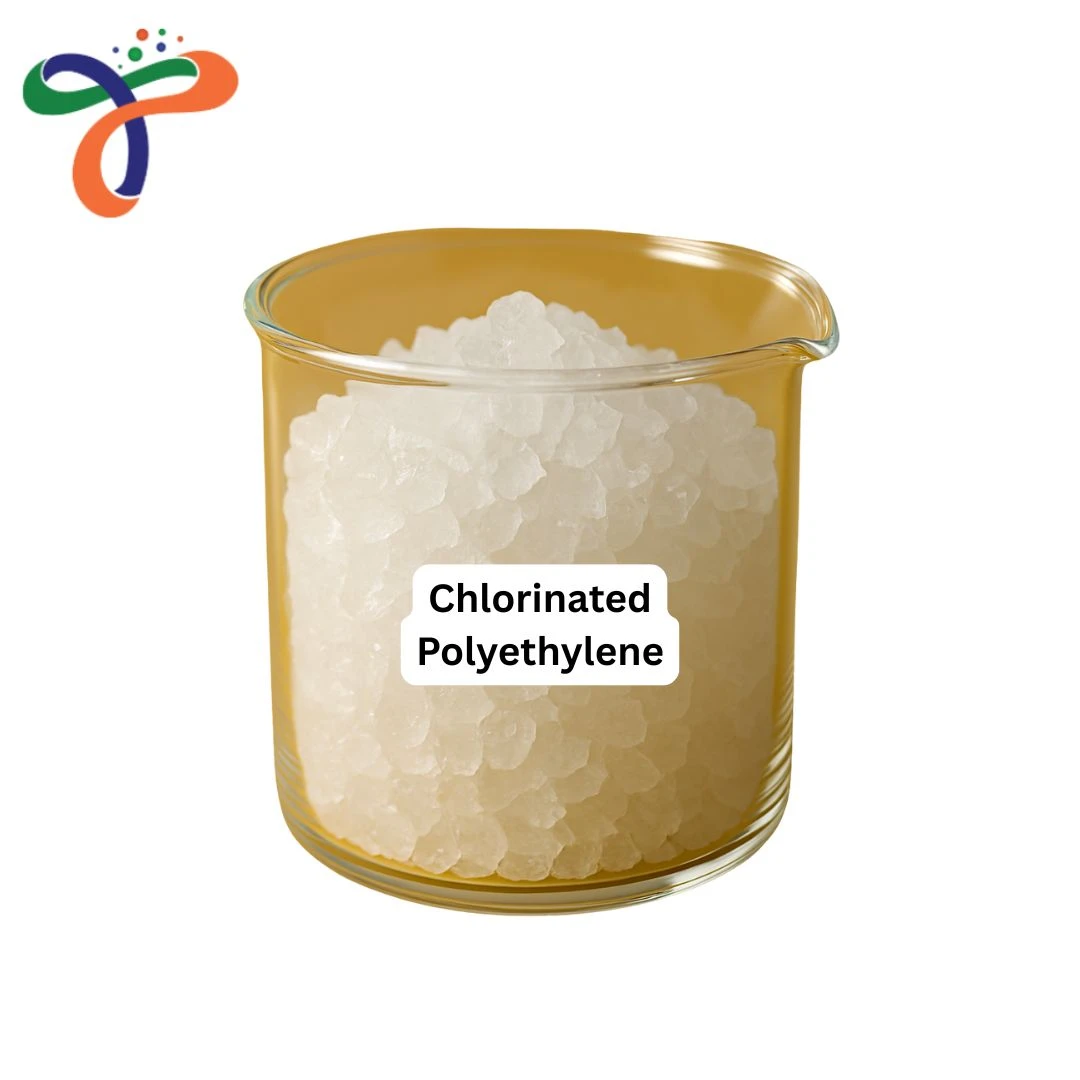
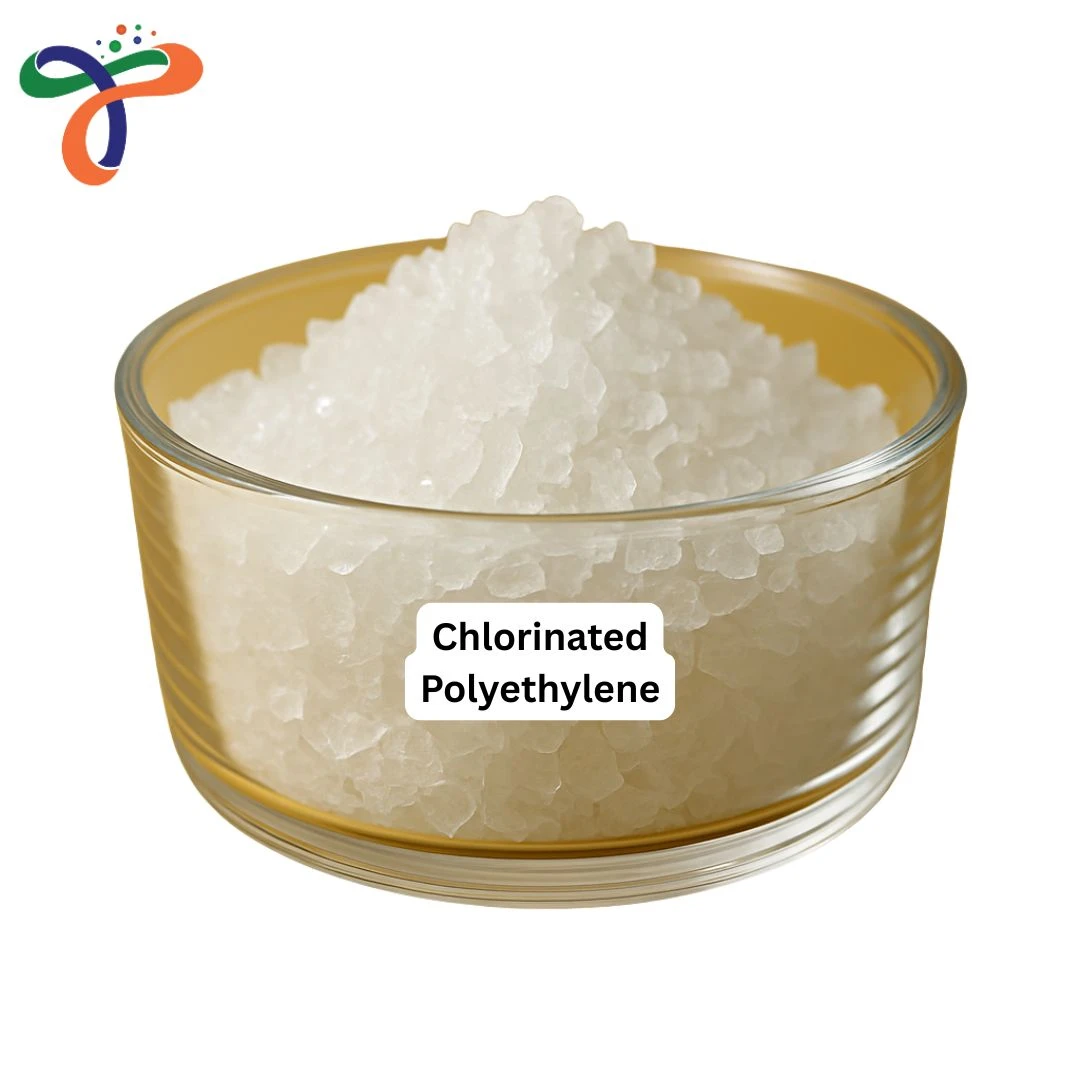
Chlorinated Polyethylene rubber can be described as the most high-performance synthetic polymer utilized in rubber and plastic chemical applications. It's a modified form of polyethylene containing chlorine atoms it has excellent durability, weatherability, and impact resistance. It is perfect for coatings that are flexible and sealants, adhesives and rubber compound.
For those without a technical background, Chlorinated Polyethylene rubber is an additive that makes plastics and rubber products tougher, more flexible, and longer-lasting. Its structure helps it mix well with other materials, making production easier and improving the final product.
By incorporating Chlorinated Polyethylene, manufacturers can achieve consistent product performance and improved environmental resistance. It is compatible with other industrial chemicals such as Triallyl Cyanurate, Caprolactam, and Polydimethylsiloxane Vinyl Terminated.
For more details on chemical categories, visit our Categories Page. To see practical applications, check our Application Page, and explore more products on our Home Page.
Applications of Chlorinated Polyethylene
Plastic & Rubber Compounds
Chlorinated Polyethylene rubber is added to PVC, plastics, and rubber blends to make them tougher. It also increases flexibility, impact resistance, and chemical stability, so it is often used in industrial and automotive products.
Coatings & Sealants
It helps coatings, sealants, and adhesives stick better and last longer by improving chemical resistance and weather protection. Because it mixes well with many resins, it is a good fit for industrial products that need to be durable.
Composite Materials & Additives
Chlorinated Polyethylene rubber is added to composite materials to make them stronger, more heat-resistant, and less likely to break down over time. It also helps reduce brittleness and improves how polymer blends perform overall.
Industrial Chemical Blends
It is used in special chemical mixes and polymer blends to make processing easier, boost chemical resistance, and improve the final product. It also combines well with other additives to create custom solutions for industry.
Safety & Handling Guidelines
- Keep it in a cool, dry, well-ventilated and clean location.
- Close containers securely whenever not being used.
- Beware of eye and skin contact
- Avoid inhalation from dust or the vapors
- Wear protective gloves, safety goggles and appropriate clothing for handling
- Beware of flames, heat and other incompatible chemicals
- Utilize normal industrial chemical handling practices
- Use containers to dispose of them in accordance with local environmental laws
Where to Buy Chlorinated Polyethylene?
Manufacturer
Chlorinated Polyethylene rubber is manufactured for use in plastics, rubbers, coatings, adhesives, and composite materials where high performance and durability are required.
Supplier & Distributor
We supply bulk Chlorinated Polyethylene for industrial manufacturers, resin producers, and specialty chemical formulators. As a trusted chemical supplier, we ensure reliable sourcing, consistent quality, and continuous availability for large-scale industrial operations.
Chlorinated Polyethylene MSDS
The Material Safety Data Sheet (MSDS) gives detailed instructions on safe handling, storage, exposure limits, first aid, and emergency steps. Please review the Chlorinated Polyethylene MSDS before using or handling it in any industrial setting.
Frequently Asked Questions (FAQs)
-
What is Chlorinated Polyethylene used for?
Chlorinated Polyethylene rubber is mostly used to make plastics, rubbers, coatings, adhesives, and composite materials more flexible, tougher, and better able to resist chemicals and weather. -
Is Chlorinated Polyethylene compatible with other chemicals?
Yes, it works effectively with additives like Triallyl Cyanurate, Caprolactam, and Polydimethylsiloxane Vinyl Terminated for industrial formulations. -
How should Chlorinated Polyethylene be stored?
Keep it in tightly closed containers in a cool, dry, and well-ventilated place, away from heat and materials it should not mix with.
ChemicalBull supplies Chlorinated Polyethylene across India, serving customers in Andhra Pradesh, Arunachal Pradesh, Assam, Bihar, Chhattisgarh, Goa, Gujarat, Haryana, Himachal Pradesh, Jharkhand, Karnataka, Kerala, Madhya Pradesh, Maharashtra, Manipur, Meghalaya, Mizoram, Nagaland, Odisha, Punjab, Rajasthan, Sikkim, Tamil Nadu, Telangana, Tripura, Uttar Pradesh, Uttarakhand, and West Bengal, as well as the Union Territories of Andaman & Nicobar Islands, Chandigarh, Dadra & Nagar Haveli and Daman & Diu, Delhi, Jammu & Kashmir, Ladakh, Lakshadweep, and Puducherry. We serve pharmaceutical, chemical, research, academic, laboratory, manufacturing, and industrial customers with reliable nationwide delivery.