Ascorbic Acid | 50-81-7
Cas No :
50-81-7
Synonyms :
Form :
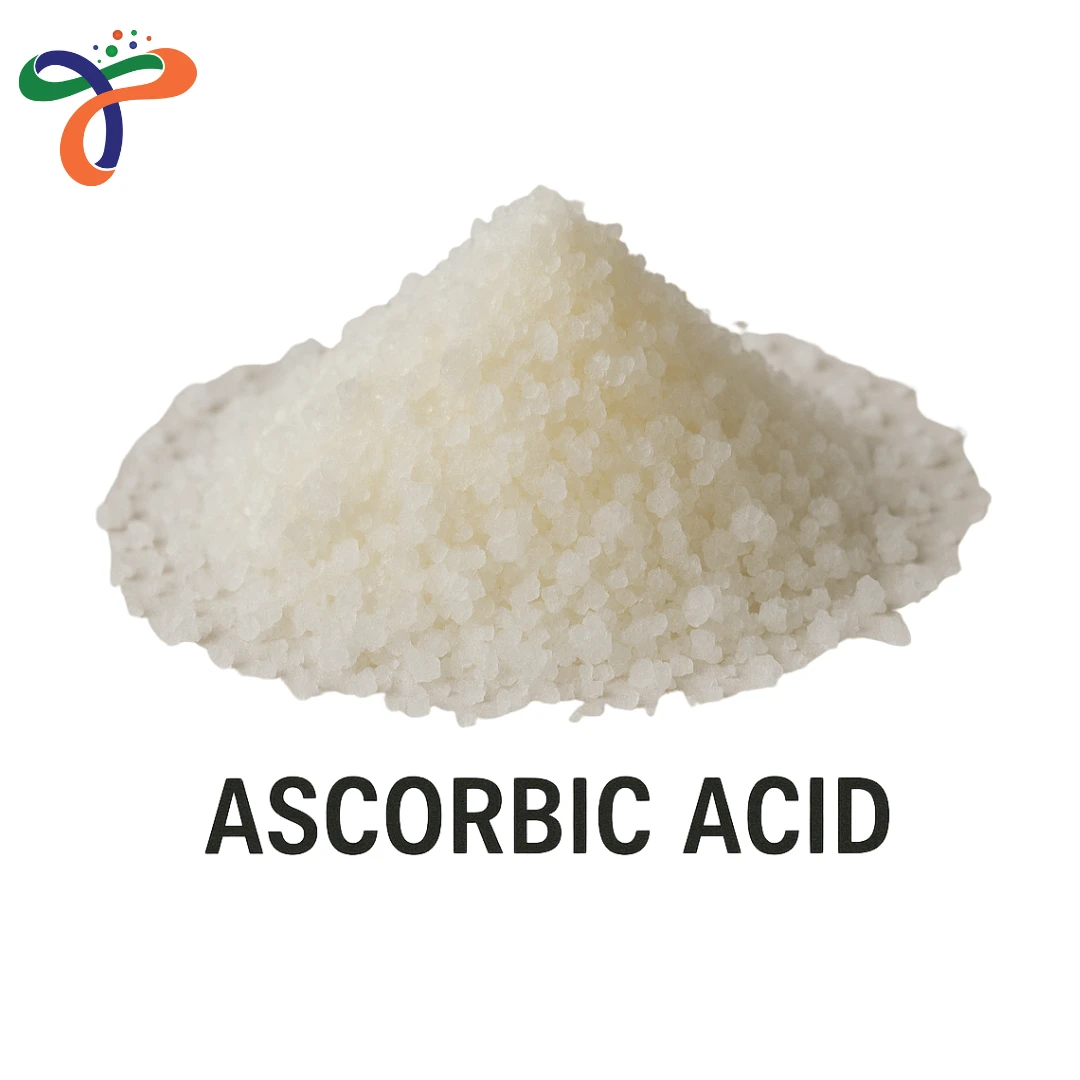
Powder
Molecular Weight :
176.12 G/mol
Molecular Formula :
C6H8O6
Boiling Point :
190 °c
Melting Point :
190 °c
Flash Point :
230 °c
Solubility :
Soluble In Water; Soluble In Ethanol; Insoluble In Diethyl Ether
Description :
Ascorbic Acid Suppliers & Manufacturers in India
Ascorbic Acid, also known as Vitamin C, is a synthetic organic compound of pharmaceutical quality. It is a water-soluble vitamin widely utilized in nutraceuticals, pharmaceuticals, and medical formulations due to its powerful antioxidant properties and crucial role in human metabolism.
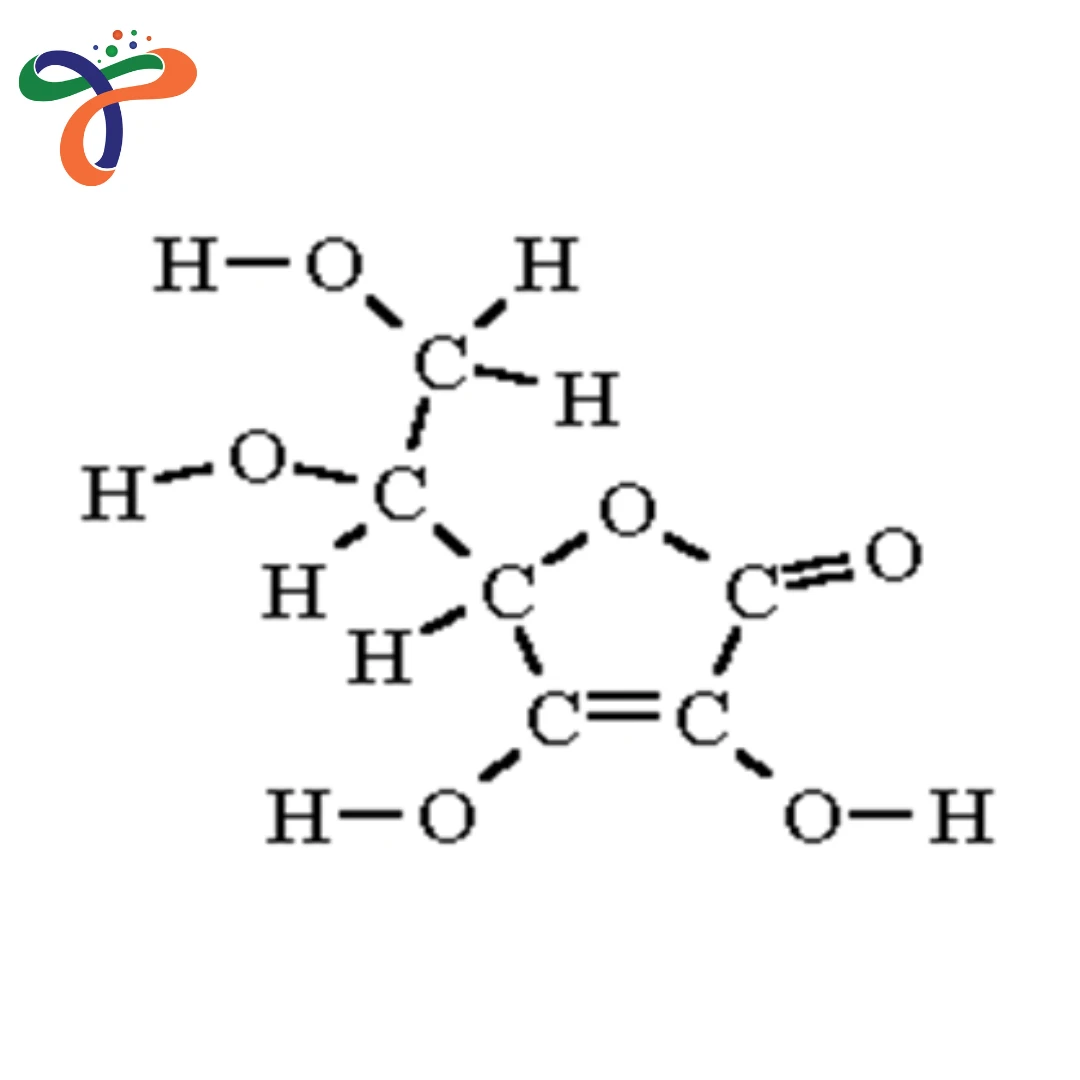
Ascorbic Acid is available in multiple forms, including ascorbic acid powder and tablet form, making it versatile for various pharmaceutical and nutritional formulations. The ascorbic acid molecular weight is 176.12 g/mol, and its well-defined ascorbic acid formula — C₆H₈O₆ — reflects its stable lactone ring structure with multiple hydroxyl groups.
In the pharmaceutical industry, Ascorbic Acid is valued for its stability, biological activity, and broad therapeutic relevance. Ascorbic Acid manufacturers in India supply this compound for use in tablets, capsules, injectables, syrups, and combination formulations under regulated quality standards.
As a pharmaceutical chemical, Ascorbic Acid plays a critical role in nutritional supplementation and therapeutic support. Explore our Home page to explore more about our full range of pharmaceutical-grade ingredients.
Applications of Ascorbic Acid
Pharmaceutical & Therapeutic Use
Ascorbic acid uses span a wide range of pharmaceutical and therapeutic applications. It is widely used to prevent and treat vitamin C deficiency, support immune function, and promote tissue repair. Ascorbic acid tablet uses include general health maintenance, post-illness recovery, and antioxidant protection in regulated pharmaceutical formulations.
Understanding what is the use of ascorbic acid tablets is essential for formulators — they are primarily prescribed for vitamin C deficiency, immune support, and iron absorption enhancement. Browse our Applications page for a detailed overview of its pharmaceutical uses.
In vitamin-based formulations, it is often evaluated alongside Sodium Ascorbate for improved tolerability and formulation flexibility.
Pharmaceutical Chemistry & Pharmacology Class
The pharmacologic class of Ascorbic Acid is vitamin and antioxidant. The ascorbic acid structure consists of a lactone ring with multiple hydroxyl groups, contributing to its antioxidant and reducing properties. This unique ascorbic acid structure enables it to participate in collagen synthesis, iron absorption, and cellular protection against oxidative stress.
The ascorbic acid molecular weight of 176.12 g/mol and the ascorbic acid formula C₆H₈O₆ are key identifiers used in pharmaceutical chemistry and formulation design. It is also compared with buffered forms such as Calcium Ascorbate in pharmaceutical research and product development. Visit our Category page to explore related vitamin and antioxidant compounds.
Nutritional, Clinical & Combination Formulations
Ascorbic Acid — whether used as ascorbic acid powder or in tablet form — is widely incorporated into nutritional supplements and clinical products, either alone or in combination with minerals and other vitamins. It enhances iron absorption and is frequently formulated with iron compounds such as Ferrous Ascorbate in deficiency management therapies.
Visit our Product page to explore our pharmaceutical-grade ascorbic acid powder and tablet-grade offerings available for bulk and formulation use.
Safety & Handling Guidelines
- Store in a cool, dry, and well-ventilated area
- Protect from light, heat, and moisture
- Keep containers tightly sealed and clearly labelled
- Avoid inhalation of dust during handling of ascorbic acid powder
- Avoid direct eye contact or prolonged skin exposure
- Protective gloves and suitable clothing are recommended for pharmaceutical use
- Dispose of waste as per the guidelines of the regulatory authorities
Why Choose ChemicalBull as a Ascorbic Acid supplier?
Ascorbic Acid Manufacturers in India
Ascorbic Acid manufacturers in India produce pharmaceutical-grade material where high purity, consistent potency, and regulatory compliance are required for healthcare and nutritional applications.
Ascorbic Acid Supplier & Distributor
Ascorbic Acid is supplied in pharmaceutical-grade packaging — including ascorbic acid powder form — for formulation manufacturers, nutraceutical companies, and healthcare producers. As a pharmaceutical chemicals supplier and distributor, Chemicalbull Pvt. Ltd. supports customers with reliable sourcing and standard documentation.
MSDS for Ascorbic Acid
The MSDS for Ascorbic Acid provides detailed information on hazards, safe handling practices, storage conditions, exposure controls, first-aid measures, and emergency response procedures. Always review the MSDS before pharmaceutical use.
Frequently Asked Questions (FAQs)
1. What is Ascorbic Acid used for?
Ascorbic acid uses include preventing and treating vitamin C deficiency, supporting immune health, enhancing iron absorption, and providing antioxidant protection in pharmaceutical and nutritional formulations.
2. What is the use of Ascorbic Acid tablets?
Ascorbic acid tablet uses include treatment of vitamin C deficiency, immune support, wound healing, and iron absorption enhancement. Understanding what is the use of ascorbic acid tablets helps healthcare professionals recommend them for specific therapeutic needs.
3. Is Ascorbic Acid and Vitamin C the same?
Yes, Ascorbic Acid and Vitamin C are the same compound and are used interchangeably in pharmaceutical and nutritional contexts.
ChemicalBull supplies Ascorbic Acid across India, serving customers in Andhra Pradesh, Arunachal Pradesh, Assam, Bihar, Chhattisgarh, Goa, Gujarat, Haryana, Himachal Pradesh, Jharkhand, Karnataka, Kerala, Madhya Pradesh, Maharashtra, Manipur, Meghalaya, Mizoram, Nagaland, Odisha, Punjab, Rajasthan, Sikkim, Tamil Nadu, Telangana, Tripura, Uttar Pradesh, Uttarakhand, and West Bengal, as well as the Union Territories of Andaman & Nicobar Islands, Chandigarh, Dadra & Nagar Haveli and Daman & Diu, Delhi, Jammu & Kashmir, Ladakh, Lakshadweep, and Puducherry. We serve pharmaceutical, chemical, research, academic, laboratory, manufacturing, and industrial customers with reliable nationwide delivery.