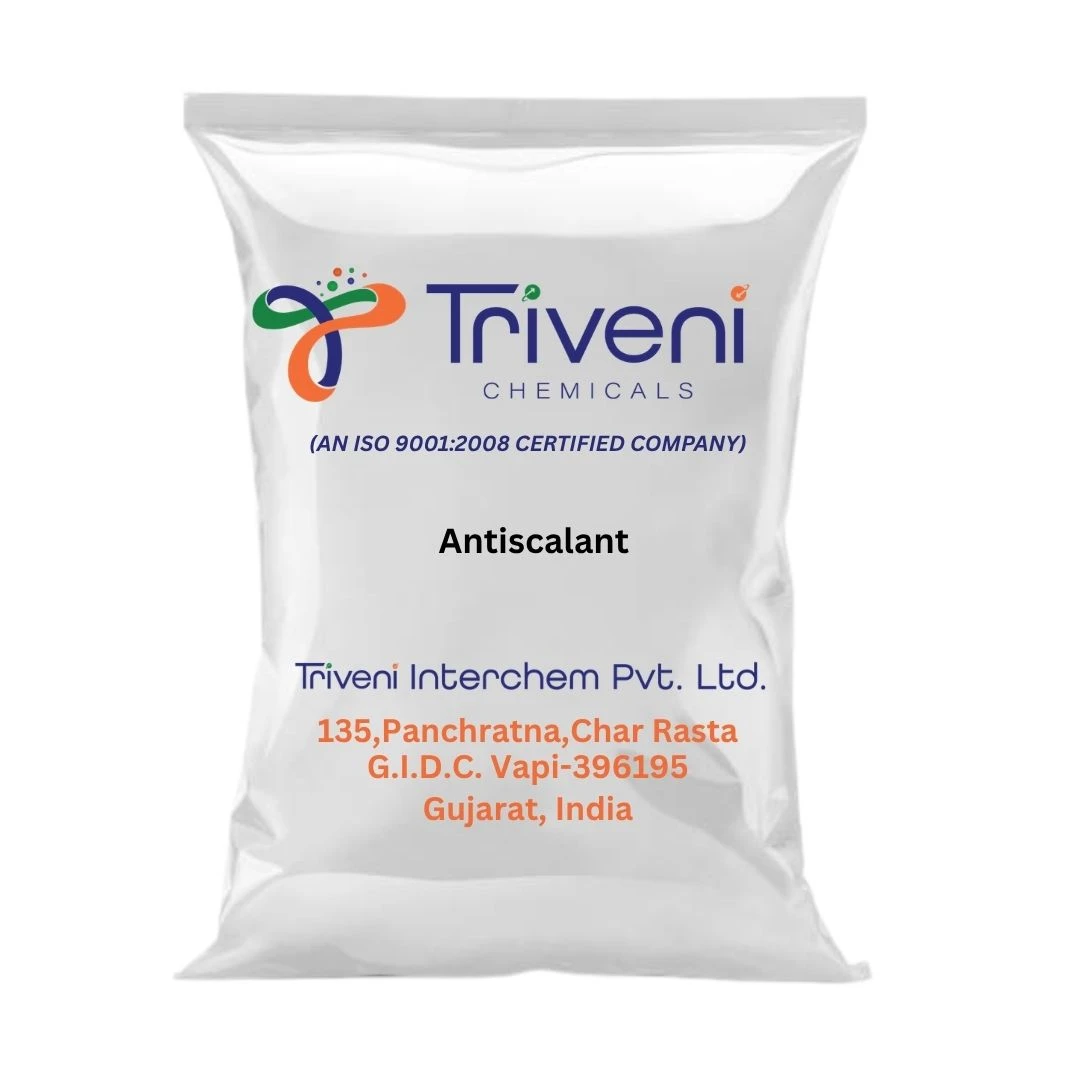
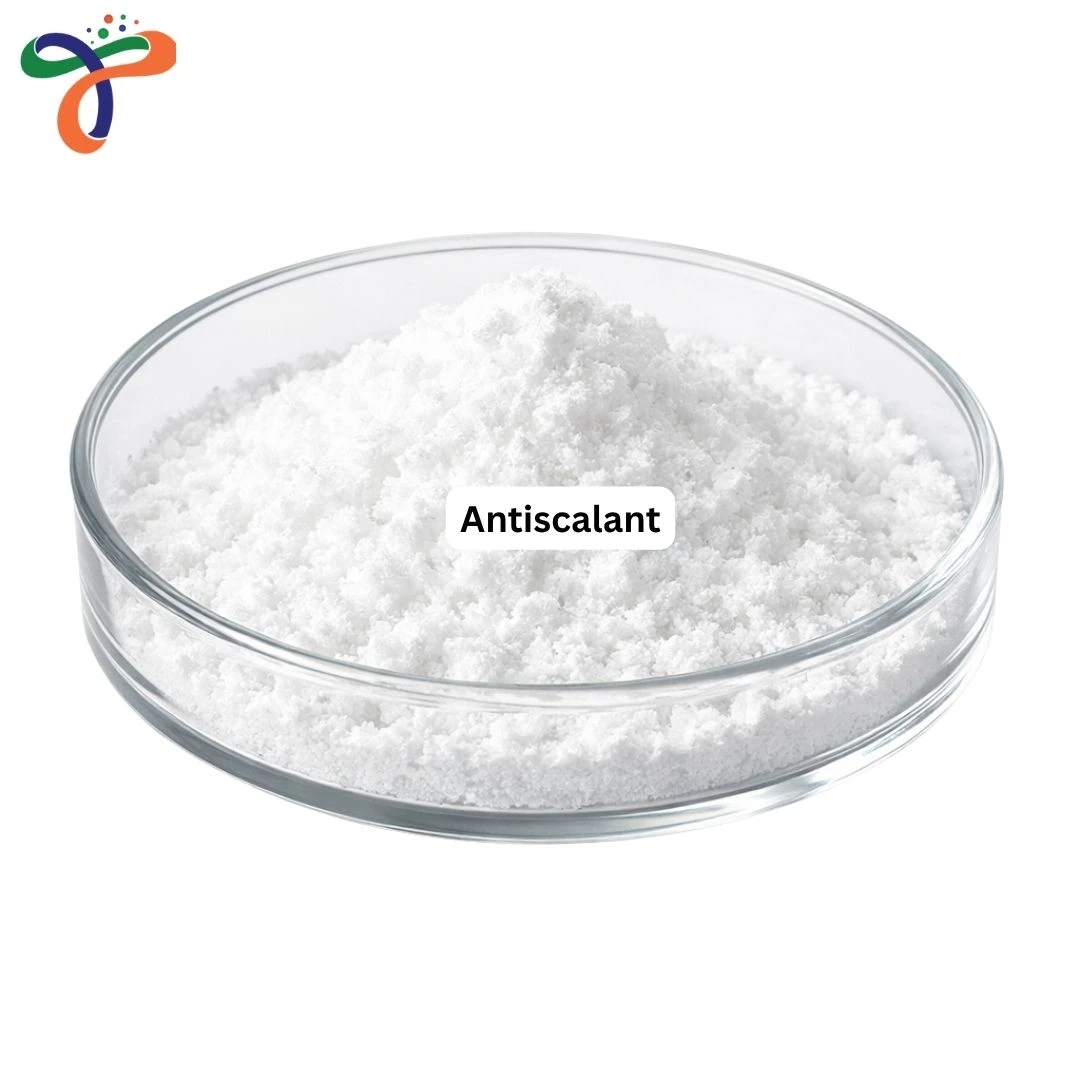
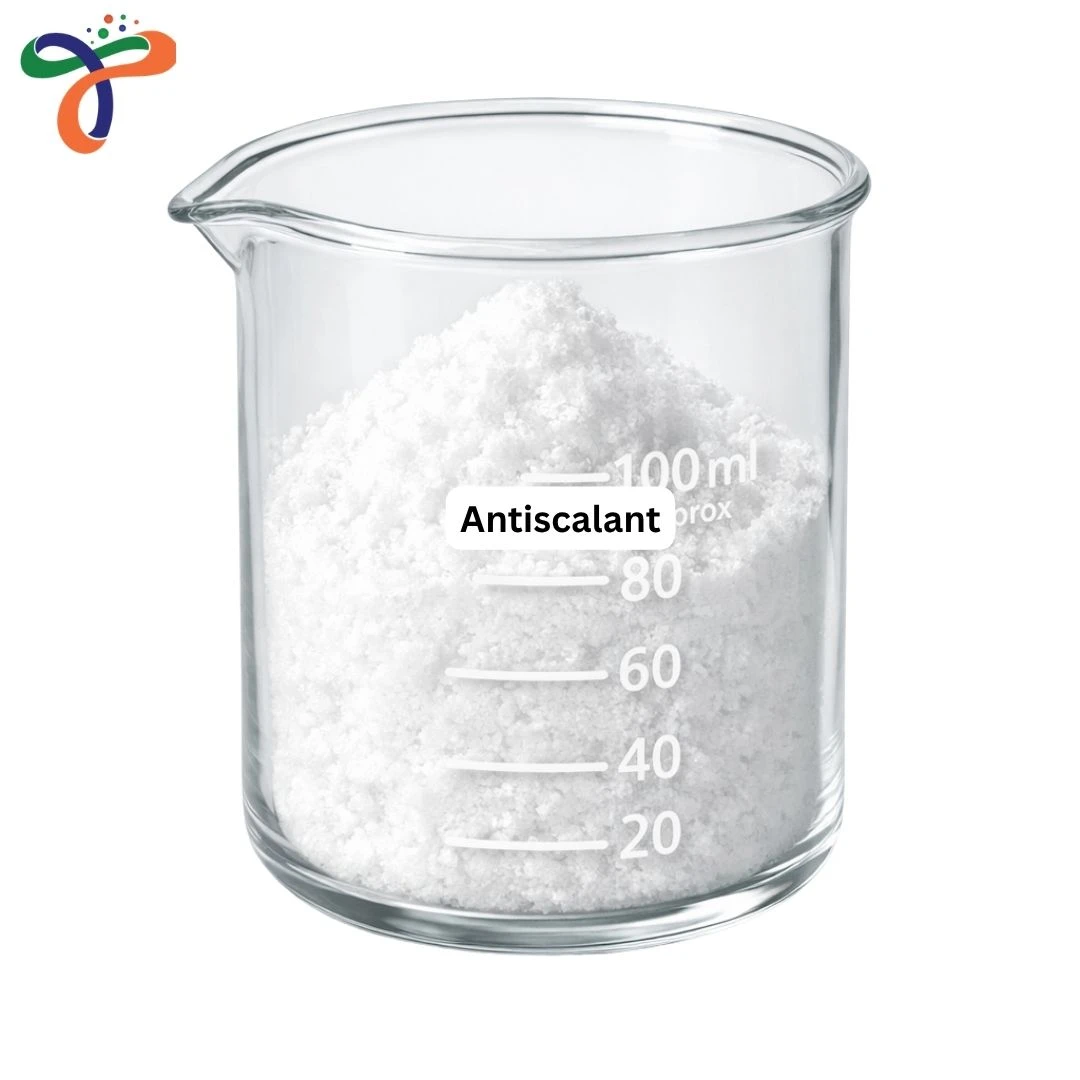
Antiscalant
Form :
Powder
Molecular Weight :
206.05 G/mol
Boiling Point :
260 °c
Melting Point :
165 °c
Flash Point :
103 °c
Solubility :
Soluble In Water
Description :
Overview of Antiscalant
Antiscalant is a vital chemical used in water treatment applications, particularly in systems where scale formation can disrupt operations. It is commonly employed in reverse osmosis (RO) plants, cooling towers, and other water treatment systems to prevent the buildup of scale and other deposits. By inhibiting the crystallization of salts like calcium carbonate, calcium sulfate, and silica, Antiscalant ensures that equipment and membranes maintain their efficiency and longevity.
In various industrial applications, Antiscalant is essential for improving the performance and operational efficiency of water treatment systems. It works synergistically with chemicals like Methylmagnesium Chloride and Sulfuric Acid AR to optimize water conditioning processes. This chemical is indispensable in maintaining the desired quality of water and preventing clogging in pipelines, filters, and membranes, ensuring that industrial operations continue smoothly without the need for frequent maintenance.
At ChemicalBull Pvt. Ltd., we offer premium-quality Antiscalant suitable for a wide range of water treatment applications in industries such as pharmaceuticals, power generation, food processing, and petrochemicals.
Applications of Antiscalant
Reverse Osmosis (RO) Systems
Antiscalant is widely used in reverse osmosis systems to prevent scaling on membranes and improve system efficiency.
It prevents the buildup of minerals, extending the life of the membranes and reducing maintenance costs.
Cooling Towers
In cooling towers, Antiscalant is used to prevent the precipitation of scale-forming salts, which can clog cooling system components.
By maintaining clear pathways for cooling water, it ensures that the heat exchange process is efficient and reliable.
Boiler Water Treatment
Antiscalant is applied in boiler water treatment to prevent the accumulation of calcium and magnesium salts, which can cause scaling inside boilers and reduce their efficiency.
It helps in maintaining the optimal functioning of boilers by preventing scale formation.
Wastewater Treatment
In wastewater treatment, Antiscalant is used to enhance the removal of scale-forming minerals from effluents, improving the overall treatment process.
It aids in the prevention of clogging in wastewater filtration systems, ensuring smoother operations.
Industrial Water Conditioning
Antiscalant plays a crucial role in conditioning water used in industrial processes by maintaining water quality and preventing scale formation.
It improves the efficiency of various industrial processes, reducing the risk of system failures due to scaling.
Safety & Handling Guidelines
- Store in a cool, dry, and well-ventilated area.
- Keep away from heat sources and direct sunlight.
- Use appropriate PPE (Personal Protective Equipment) like gloves, goggles, and a mask when handling.
- Avoid direct skin and eye contact.
- Follow the safety data sheet (SDS) for proper disposal and handling procedures.
Where to Buy Antiscalant?
Antiscalant Manufacturer
Manufactured by leading companies, ensuring high purity and excellent performance for scale control in water treatment systems.
Antiscalant Supplier & Distributor
ChemicalBull Pvt. Ltd. is a trusted supplier and distributor of Antiscalant for water treatment applications in various industries. Contact us today for bulk pricing and fast delivery.
Antiscalant MSDS
Available on request with complete handling, storage, and safety instructions.
Frequently Asked Questions
-
What is the primary function of Antiscalant?
Antiscalant is used to prevent scale formation in water treatment systems, including reverse osmosis membranes, cooling towers, and boilers. -
How does Antiscalant work in reverse osmosis systems?
It inhibits the crystallization of salts and minerals, preventing scaling on RO membranes and improving their efficiency. -
Can Antiscalant be used in cooling towers?
Yes, it is widely used in cooling towers to prevent scaling of salts, ensuring better heat exchange efficiency.
ChemicalBull supplies Antiscalant across India, serving customers in Andhra Pradesh, Arunachal Pradesh, Assam, Bihar, Chhattisgarh, Goa, Gujarat, Haryana, Himachal Pradesh, Jharkhand, Karnataka, Kerala, Madhya Pradesh, Maharashtra, Manipur, Meghalaya, Mizoram, Nagaland, Odisha, Punjab, Rajasthan, Sikkim, Tamil Nadu, Telangana, Tripura, Uttar Pradesh, Uttarakhand, and West Bengal, as well as the Union Territories of Andaman & Nicobar Islands, Chandigarh, Dadra & Nagar Haveli and Daman & Diu, Delhi, Jammu & Kashmir, Ladakh, Lakshadweep, and Puducherry. We serve pharmaceutical, chemical, research, academic, laboratory, manufacturing, and industrial customers with reliable nationwide delivery.