Acetal | 105-57-7
Cas No :
105-57-7
Synonyms :
Form :
Liquid
Molecular Weight :
118.17 G/mol
Molecular Formula :
C₆H₁₄O₂
Boiling Point :
103 °c
Melting Point :
−100 °c
Flash Point :
−21 °c
Solubility :
Slightly Soluble In Water ,miscible With Alcohol, Ether
Description :
Overview of Acetal
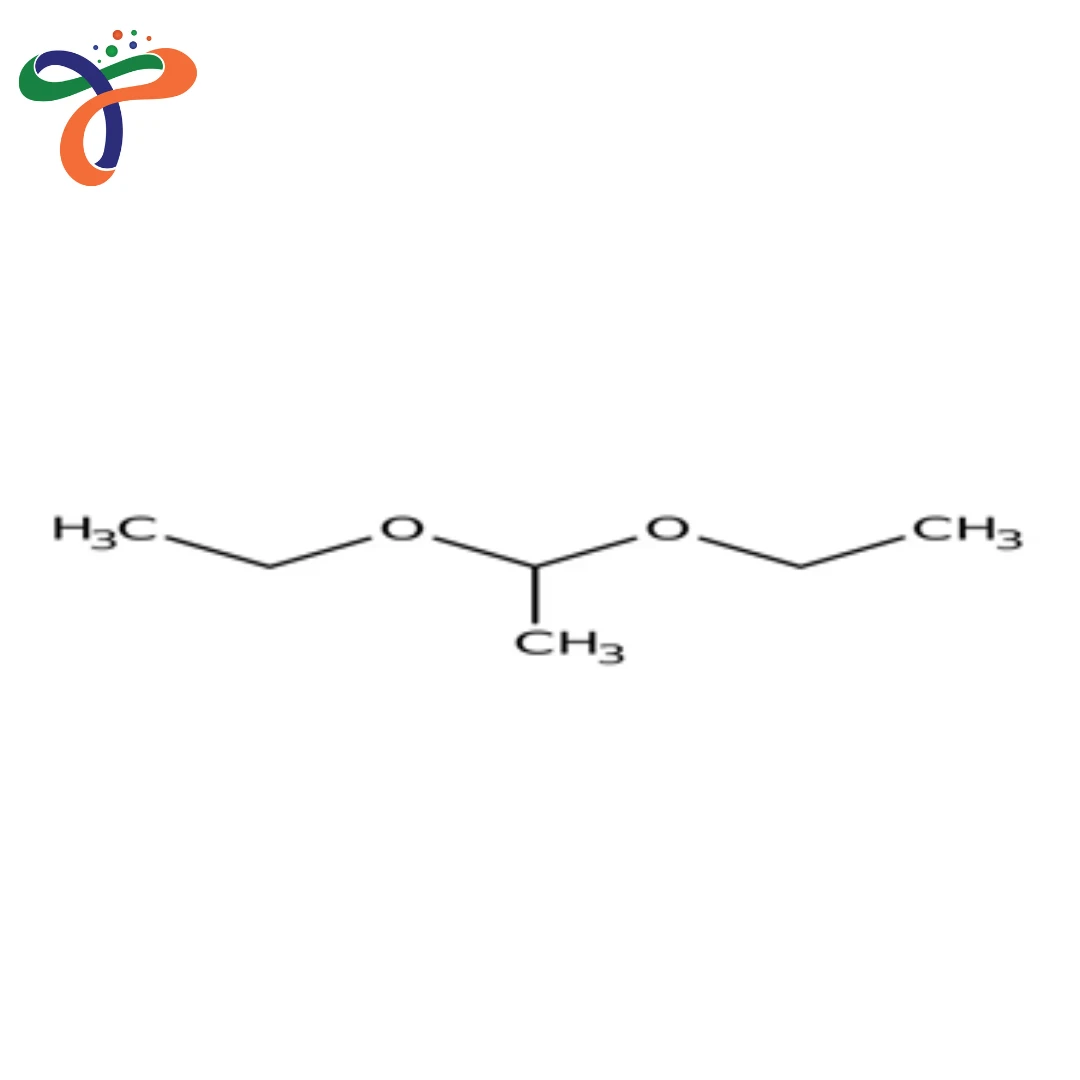
Acetal, also known as 1,1-Diethoxymethane, is a versatile organic compound with the molecular formula C3H8O2. It appears as a colourless liquid with a mild, ether-like odour. Acetal is highly valued in the fragrance, chemical, and industrial sectors due to its stability, low reactivity under neutral conditions, and ability to act as a protective group in organic synthesis.
Chemically, Acetal contains two alkoxy groups attached to a single carbon, making it an excellent intermediate in synthetic chemistry, especially for aldehyde protection and controlled reactivity. Its mild fragrance and compatibility with many formulations make it a preferred ingredient in perfumes, flavours, and speciality chemical products.
Applications of Acetal
Fragrance & Perfumery Industry
Acetal is used to develop soft, sweet, and slightly etheric notes in fragrances:
-
Adds a mild, fresh, and stabilising character to perfumes, colognes, and scented products.
-
Often blended with Cinnamyl Formate, Benzyl Benzoate BP, and Citronellyl Propionate to create balanced, long-lasting aroma compositions.
-
Acts as a fixative and stabiliser, enhancing the longevity of volatile fragrance components.
Cosmetic & Personal Care Industry
In cosmetics and personal care formulations, Acetal improves sensory qualities:
-
Used in soaps, lotions, creams, and shampoos for its neutral and stabilising properties.
-
Enhances the texture and spreadability of products while maintaining fragrance integrity.
-
Can be combined with Ambercore, Alpha-Amyl Cinnamaldehyde, and Beta-Terpineol to produce warm and soft aromatic profiles.
Industrial & Chemical Applications
Acetal is widely used as a chemical intermediate and solvent:
-
Protects aldehyde functional groups in multi-step organic syntheses.
-
Serves as a starting material in producing esters, ethers, and speciality aroma chemicals.
-
Applied in polymer, coating, and adhesive industries due to its chemical stability and compatibility.
Safety & Handling Guidelines
-
Storage: Keep in a cool, dry, ventilated area, away from heat, sparks, and oxidising agents.
-
Protective Equipment: Use gloves, goggles, and appropriate protective clothing.
-
Handling: Avoid inhalation of vapours and contact with skin or eyes.
-
Spill Management: Contain and clean spills using inert absorbents and follow local disposal regulations.
Where to Buy Acetal
Acetal Manufacturer in India
-
High-purity Acetal is manufactured under ISO and GMP standards for use in fragrance, cosmetic, and industrial applications.
Acetal Distributor & Supplier
-
ChemicalBull.com supplies bulk and retail quantities globally, serving the fragrance, personal care, and speciality chemical industries.
Acetal MSDS
-
The Material Safety Data Sheet (MSDS) is available from Chemical Bull, covering handling, safety, and storage information.
Frequently Asked Questions (FAQs)
1. What is Acetal used for?
Acetal is used in perfumes, cosmetics, chemical syntheses, and as a stabiliser or protective agent in organic reactions.
2. Does Acetal occur naturally?
Acetal is primarily synthetic, but some acetal compounds can be found naturally in fruits and essential oils in trace amounts.
3. How does Acetal contribute to fragrances?
It provides mild, sweet, and etheric notes, acting as a stabiliser and fixative to improve longevity and diffusion of volatile aroma compounds.
4. Which aroma chemicals blend well with Acetal?
It blends well with Cinnamyl Formate, Benzyl Benzoate BP, Citronellyl Propionate, and Ambercore to create soft and long-lasting fragrance compositions.
5. Is Acetal safe to handle?
Yes, when handled with proper protective equipment, storage, and ventilation, it can be safely used in industrial and laboratory settings.
ChemicalBull supplies Acetal across India, serving customers in Andhra Pradesh, Arunachal Pradesh, Assam, Bihar, Chhattisgarh, Goa, Gujarat, Haryana, Himachal Pradesh, Jharkhand, Karnataka, Kerala, Madhya Pradesh, Maharashtra, Manipur, Meghalaya, Mizoram, Nagaland, Odisha, Punjab, Rajasthan, Sikkim, Tamil Nadu, Telangana, Tripura, Uttar Pradesh, Uttarakhand, and West Bengal, as well as the Union Territories of Andaman & Nicobar Islands, Chandigarh, Dadra & Nagar Haveli and Daman & Diu, Delhi, Jammu & Kashmir, Ladakh, Lakshadweep, and Puducherry. We serve pharmaceutical, chemical, research, academic, laboratory, manufacturing, and industrial customers with reliable nationwide delivery.