2,4-dichlorophenol | 120-83-2
Cas No :
120-83-2
Synonyms :
Form :
Solid
Molecular Weight :
163.00 G/mol
Molecular Formula :
C6H4CL2O
Boiling Point :
209 - 210 °c
Melting Point :
42 - 43 °c
Flash Point :
110.6 °c
Solubility :
Chloroform (slightly), Methanol (slightly)
Description :
Overview of 2,4-Dichlorophenol
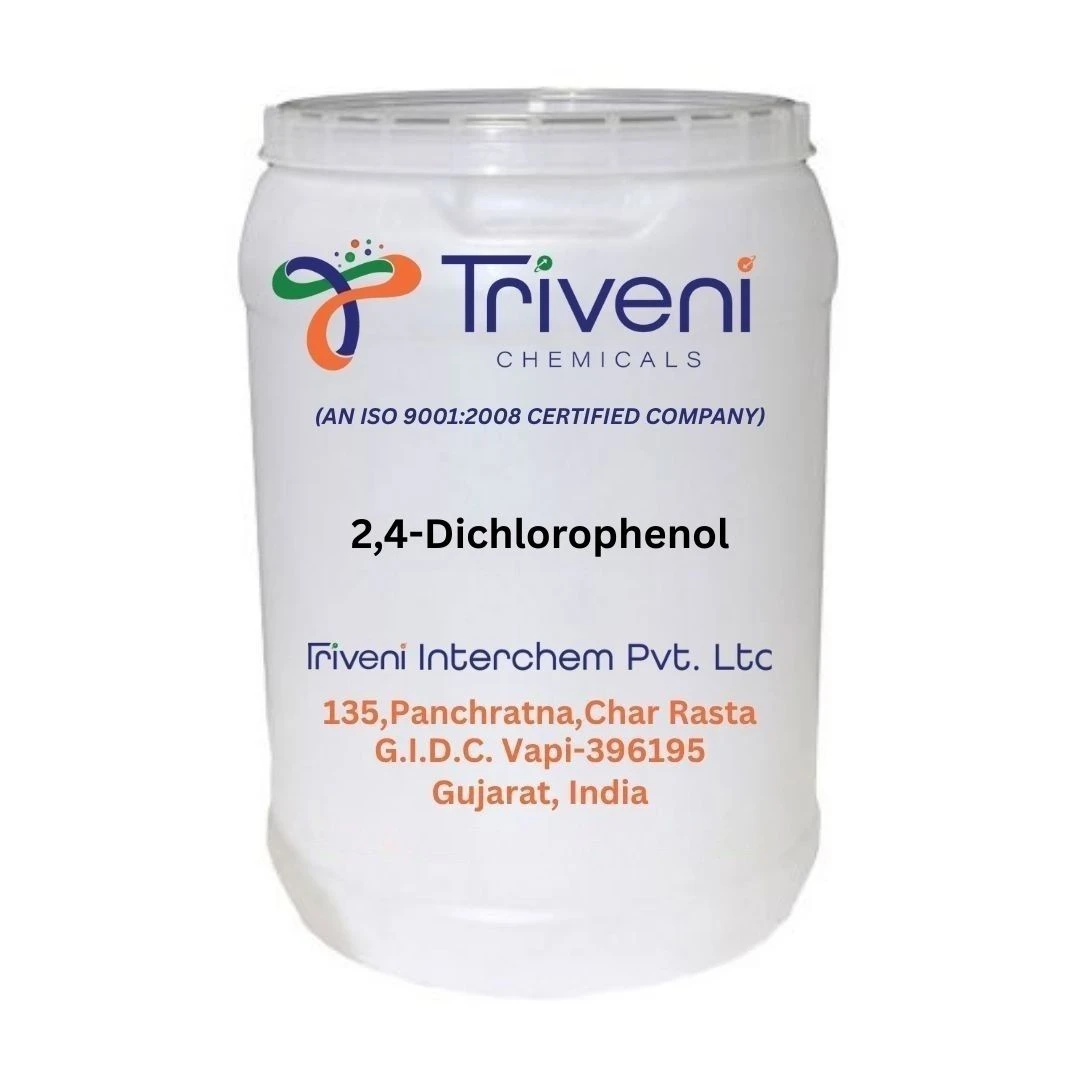
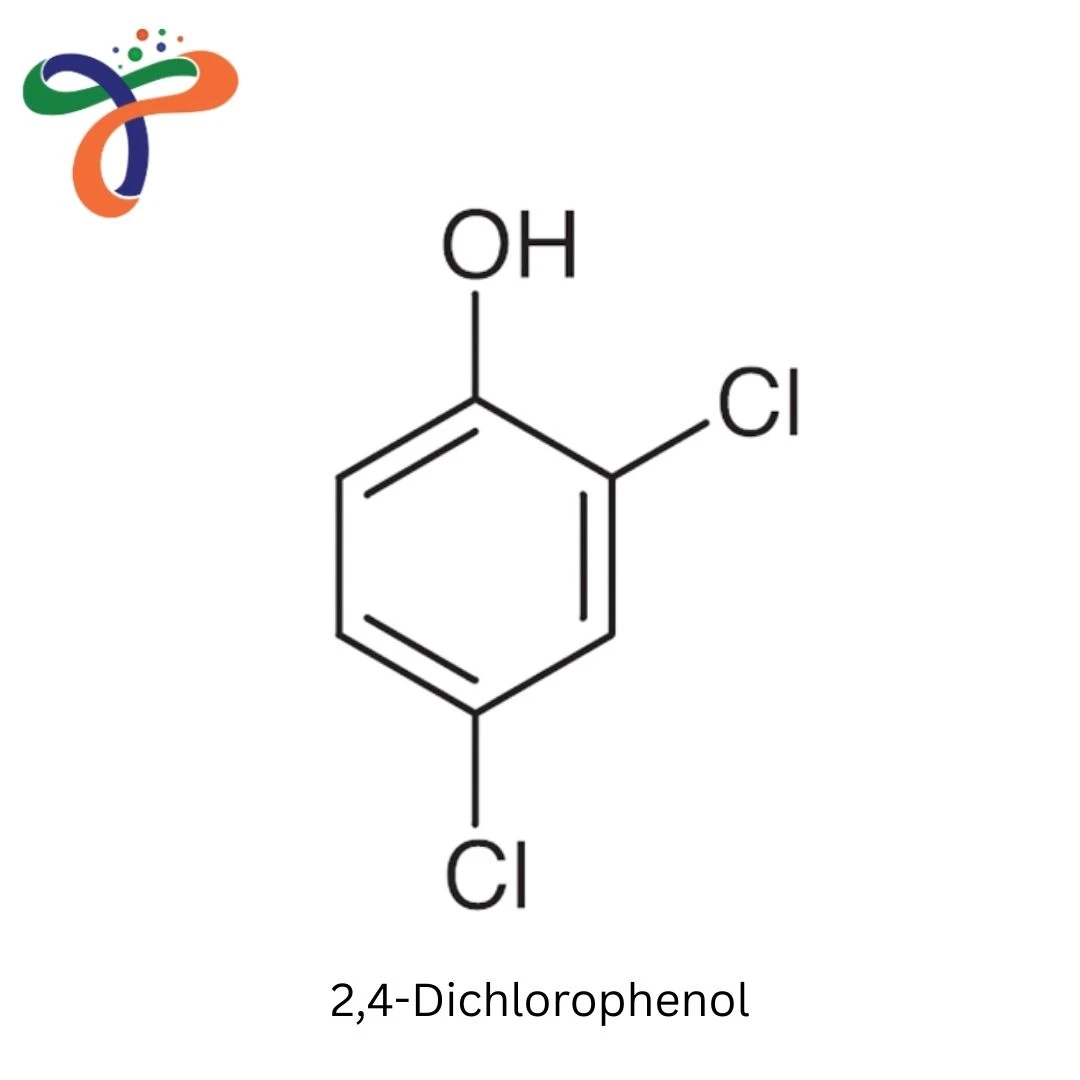
2,4-Dichlorophenol (CAS: 120-83-2) is an important chlorinated aromatic compound widely used in agrochemical and chemical manufacturing industries. It appears as a white to light brown crystalline solid with a characteristic phenolic odor. This compound is mainly used as an intermediate in the production of herbicides, disinfectants, and other specialty chemicals.
ChemicalBull offers 2-Dichlorophenol that is high-purity and ideal for chemical manufacturing and industrial applications. This ensures consistency in quality, reliability, and compliance with the requirements of industrial processes.
You may also like 3,5-Dimethylpyrazole, Acephate, Benzoylurea, and Amitrole for related agrochemical and industrial synthesis applications.
Applications of 2,4-Dichlorophenol
Agrochemical & Herbicide Manufacturing
-
Used as an intermediate in the production of herbicides and crop protection chemicals
-
Plays a role in synthesising phenoxy-based agrochemical compounds
-
Supports controlled reactions due to its stable chemical structure
Chemical Intermediates & Synthesis
-
Used in the synthesis of dyes, pigments, and speciality organic chemicals
-
Acts as a building block in chlorinated aromatic compounds
-
Suitable for batch and continuous chemical processing systems
Disinfectants & Preservatives
-
Used in manufacturing antiseptic and disinfectant formulations
-
Contributes antimicrobial properties in industrial formulations
-
Applied in controlled industrial environments only
Research & Speciality Applications
-
Used in chemical research and formulation development
-
Serves as a reference compound for chlorophenol chemistry
Safety & Handling Guidelines
-
Handle with gloves, protective clothing, and safety goggles
-
Avoid inhalation of vapours or dust
-
Prevent direct contact with skin and eyes
-
Store in a cool, dry, and well-ventilated area
-
Keep away from heat, open flames, and incompatible substances
-
Always follow SDS and local chemical safety regulations
Where to Buy 2,4-Dichlorophenol?
2,4-Dichlorophenol Manufacturer
ChemicalBull supplies high-quality 2,4-Dichlorophenol for industrial and chemical manufacturing applications.
2,4-Dichlorophenol Supplier & Distributor
-
Bulk and customised packaging options
-
Export-grade material with COA, TDS & MSDS
-
Reliable supply for chemical manufacturers and formulators
2,4-Dichlorophenol MSDS
The Material Safety Data Sheet (MSDS) provides complete information on safe handling, storage conditions, exposure controls, toxicity data, and emergency measures. Always review the MSDS before handling or using in an industrial setting.
Frequently Asked Questions (FAQs)
-
What is the chemical designation of 2,4-Dichlorophenol?
Chemically, it's called 2,4-Dichlorophenol. It's a chlorinated phenolic compound. -
What is the chemical structure code of 2,4-Dichlorophenol?
The CAS number is 120-83-2. -
What are the primary applications of 2,4-Dichlorophenol?
It is used primarily as an intermediate for Agrochemicals, herbicides, disinfectants, as well as dyes and speciality chemicals. -
Is 2,4-Dichlorophenol hazardous?
Yes, it can be treated with care, following standards for safety in the workplace and SDS instructions. -
What should the storage method for 2,4-Dichlorophenol look like?
Keep it in a dry, cool, well-ventilated area free of humidity, heat, and incompatible chemicals.
ChemicalBull supplies 2,4-dichlorophenol across India, serving customers in Andhra Pradesh, Arunachal Pradesh, Assam, Bihar, Chhattisgarh, Goa, Gujarat, Haryana, Himachal Pradesh, Jharkhand, Karnataka, Kerala, Madhya Pradesh, Maharashtra, Manipur, Meghalaya, Mizoram, Nagaland, Odisha, Punjab, Rajasthan, Sikkim, Tamil Nadu, Telangana, Tripura, Uttar Pradesh, Uttarakhand, and West Bengal, as well as the Union Territories of Andaman & Nicobar Islands, Chandigarh, Dadra & Nagar Haveli and Daman & Diu, Delhi, Jammu & Kashmir, Ladakh, Lakshadweep, and Puducherry. We serve pharmaceutical, chemical, research, academic, laboratory, manufacturing, and industrial customers with reliable nationwide delivery.