Chemical Bull
1858
18-Sep-2023
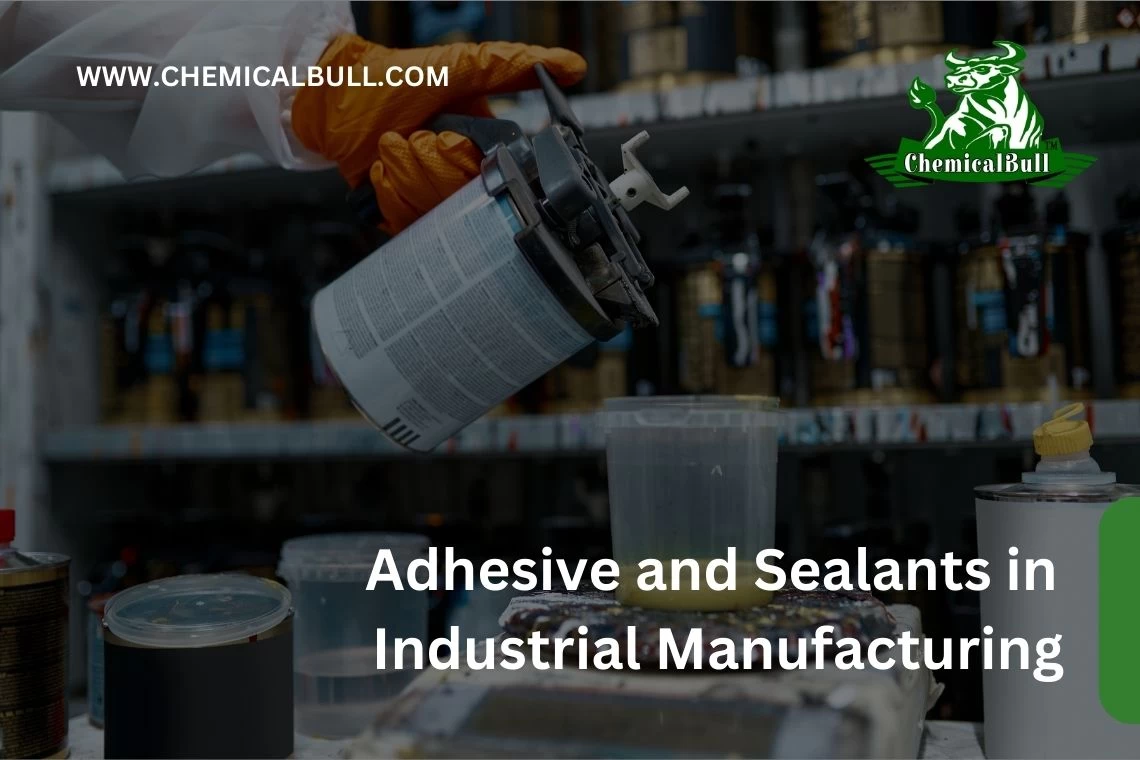
Industrial adhesives and sealants are essential materials used across manufacturing, construction, automotive, electronics, packaging, and industrial processing industries. These materials help improve structural bonding, reduce vibration, provide chemical resistance, and increase the durability of industrial components.
Modern manufacturing increasingly depends on advanced adhesive and sealant systems to improve production efficiency and support lightweight, high-performance material design. Compared to conventional fastening methods such as welding or mechanical joints, industrial bonding solutions offer greater flexibility, corrosion resistance, and long-term performance.
What Are Industrial Adhesives?
Industrial adhesives are chemical formulations designed to bond two or more surfaces together in industrial applications. These materials are widely used for permanent and semi-permanent bonding processes across multiple manufacturing sectors.
Adhesives are selected based on several important factors, including:
- Material compatibility
- Temperature resistance
- Chemical resistance
- Flexibility
- Bonding strength
- Environmental exposure
Several specialty chemicals and industrial solvents are commonly associated with adhesive formulations and manufacturing applications. Products such as Ethyl Acrylate, Acetone, and Colloidal Silica are widely used across industrial chemical processing sectors.
What Are Industrial Sealants?
Industrial sealants are materials used to fill gaps, joints, and openings to prevent the passage of air, moisture, chemicals, dust, or contaminants. Unlike adhesives, sealants are primarily designed to provide flexibility and environmental protection rather than structural bonding strength.
Sealants are widely used in:
- Construction materials
- Industrial machinery
- Automotive assemblies
- Electronics manufacturing
- Pipe sealing systems
- Storage tanks and industrial equipment
Industrial sealants help improve operational reliability while reducing maintenance requirements in demanding industrial environments.
Common Types of Industrial Adhesives
Epoxy Adhesives
Epoxy-based adhesive systems are known for their excellent bonding strength, chemical resistance, and durability. These materials are commonly used in industrial machinery, structural bonding, coatings, and electronics manufacturing.
Industries using epoxy systems often require specialty materials associated with coatings applications and industrial chemical processing.
Acrylic Adhesives
Acrylic adhesives provide fast curing, environmental resistance, and strong adhesion properties. These adhesives are commonly used in automotive assemblies, packaging materials, signage systems, and industrial manufacturing operations.
Polyurethane Adhesives
Polyurethane adhesives are valued for their flexibility, impact resistance, and durability. These materials are widely used in insulation panels, automotive interiors, engineered materials, and construction systems.
Silicone-Based Adhesives
Silicone adhesives are commonly used in applications requiring high-temperature stability, electrical insulation, and moisture resistance. These systems are frequently used in electronics and industrial sealing applications.
Industrial Applications of Adhesives and Sealants
Automotive Industry
The automotive industry relies heavily on industrial adhesives and sealants for lightweight bonding systems, vibration resistance, and structural support. These materials are used in:
- Interior panels
- Windshield bonding
- Exterior trims
- Electrical systems
- Battery assemblies
Modern automotive manufacturing increasingly uses advanced bonding technologies to improve efficiency and material performance.
Construction Industry
Construction applications use industrial sealants and adhesives for:
- Flooring systems
- Waterproofing solutions
- Glass bonding
- Concrete joints
- Insulation materials
Various construction chemicals are widely used to improve structural durability and environmental resistance in modern infrastructure projects.
Electronics Manufacturing
The electronics industry depends on adhesive systems for encapsulation, thermal insulation, circuit protection, and component assembly. Industrial solvents such as Acetone are also widely associated with electronics cleaning and industrial processing applications.
Packaging and Industrial Processing
Packaging manufacturers use industrial adhesives for laminated materials, labeling systems, flexible packaging, and carton sealing applications. Industrial materials associated with Ethyl Acrylate are frequently used across chemical manufacturing and processing industries.
Key Properties of Industrial Adhesives and Sealants
The effectiveness of industrial bonding systems depends on several important performance properties.
| Property | Importance |
|---|---|
| Chemical Resistance | Protects against harsh industrial chemicals and solvents |
| Heat Resistance | Supports high-temperature manufacturing operations |
| Flexibility | Prevents cracking under stress and vibration |
| Adhesion Strength | Improves structural bonding performance |
| Moisture Resistance | Protects equipment and surfaces from water damage |
Raw Materials Used in Adhesive and Sealant Manufacturing
Industrial adhesive and sealant formulations may contain:
- Solvents
- Polymers
- Fillers
- Resins
- Stabilizers
- Specialty additives
Chemical processing materials such as Colloidal Silica and Acetone are commonly associated with industrial formulation and manufacturing processes.
Factors to Consider When Selecting Industrial Adhesives
Selecting the correct industrial adhesive or sealant depends on several operational factors, including:
- Surface compatibility
- Environmental conditions
- Mechanical stress
- Cure time requirements
- Chemical exposure
- Temperature resistance
Industrial manufacturers evaluate these factors carefully to ensure long-term product reliability and operational efficiency.
Future Trends in Industrial Adhesives and Sealants
The industrial adhesive industry continues to evolve with growing demand for:
- Lightweight manufacturing materials
- Sustainable chemical formulations
- High-performance bonding systems
- Low-VOC industrial products
- Advanced polymer technologies
Industries such as automotive, electronics, packaging, and infrastructure continue to drive innovation in adhesive and sealant technologies.
Conclusion
Industrial adhesives and sealants play a major role in modern manufacturing and industrial processing applications. These materials improve durability, support structural performance, and enhance operational efficiency across multiple industries.
As manufacturing technologies continue to advance, specialty chemicals and industrial bonding systems will remain essential for improving industrial performance, product reliability, and long-term durability.
Frequently Asked Questions
What is the difference between adhesives and sealants?
Adhesives are primarily designed for bonding materials together, while sealants are used to block moisture, air, chemicals, and contaminants from passing through joints or openings.
Which industries use industrial adhesives and sealants?
Industries such as automotive, construction, electronics, packaging, and industrial manufacturing widely use adhesive and sealant systems.
Why are industrial adhesives important in manufacturing?
Industrial adhesives help improve bonding strength, reduce vibration, increase durability, and support lightweight manufacturing processes.
What chemicals are commonly associated with adhesive manufacturing?
Various solvents, polymers, resins, fillers, and specialty additives are used depending on industrial application requirements.

Comment Section



