Chemical Bull
1609
06-Aug-2023
Table of Contents
1. Introduction
2. Products
- - Calcium Carbonate
- - Aluminum Oxide
3. Sustainable Cement Production
- - Carbon Capture and Utilization
- - Alternative Raw Materials
- - Energy Efficiency
- - Waste Utilization
4. Smart Manufacturing Technologies
- - Internet of Things (IoT)
- - Artificial Intelligence (AI)
- - Robotics and Automation
5. Green Concrete Solutions
- - High-Performance Concrete
- - Geopolymer Concrete
- - Self-Healing Concrete
6. Infrastructure Development and Urbanization
- - Megaprojects and Mega Cities
- - Sustainable Infrastructure Designs
- - Urban Vertical Farming
7. Circular Economy Approach
- - Recycling and Reusing Cementitious Materials
- - Waste Heat Recovery
- - Co-processing and Co-grinding
8. Conclusion
Introduction
In today's world, sustainable development and environmental consciousness have become increasingly important. Industries across the globe are seeking innovative ways to reduce their carbon footprint and adopt sustainable practices. The cement industry, in particular, plays a significant role in contributing to greenhouse gas emissions. However, advancements in technology and research have led to the emergence of various sustainable solutions that can revolutionize the cement production process. This article explores some of these innovative approaches and their potential to reshape the future of cement production and infrastructure development.
Products
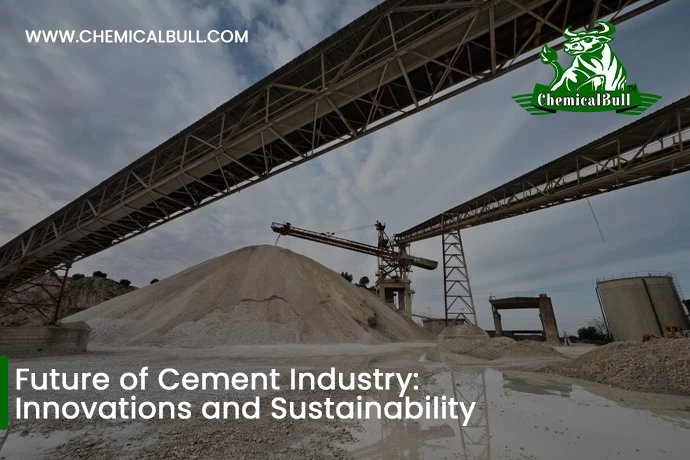
Cement production involves the use of several key materials. Let's take a closer look at two essential components:
- Calcium Carbonate - Calcium Carbonate is a primary raw material used in cement manufacturing. It is obtained from limestone, a naturally occurring sedimentary rock. The process of heating limestone in a kiln releases Carbon Dioxide, resulting in the production of Calcium Oxide (quicklime). When water is added to quicklime, it undergoes a chemical reaction to form Calcium Hydroxide, which, when combined with other materials, leads to the formation of cement.
- Aluminum Oxide - Aluminum oxide, also known as Alumina, is another vital ingredient in the cement production process. It is derived from bauxite, an abundant mineral found in various parts of the world. Aluminum Oxide enhances the strength and durability of cement, making it suitable for a wide range of construction applications.
Sustainable Cement Production
Sustainable cement production focuses on reducing the environmental impact associated with traditional cement manufacturing methods. Several approaches have gained prominence in recent years:
- Carbon Capture And Utilization - Carbon capture and utilization technologies involve capturing Carbon Dioxide emissions from cement production and utilizing them in other industrial processes or converting them into valuable products. This approach helps reduce greenhouse gas emissions while simultaneously creating a circular economy.
- Alternative Raw Materials- Exploring alternative Raw Materials as substitutes for traditional cement components can significantly reduce the environmental impact of cement production. Waste materials such as fly ash, blast furnace slag, and silica fume can be utilized as supplementary cementitious materials, reducing the need for clinker, which is responsible for a significant portion of CO2 emissions.
- Energy Efficiency - Improving energy efficiency in cement plants can lead to substantial reductions in greenhouse gas emissions. Implementing energy-efficient technologies and optimizing the production process can minimize energy consumption, resulting in lower carbon emissions.
- Waste Utilization - Effective waste management strategies play a crucial role in sustainable cement production. By utilizing industrial waste products, such as slag from steel manufacturing or ash from coal-fired power plants, as alternative raw materials, the cement industry can reduce the amount of waste sent to landfills and decrease its environmental impact.
Smart Manufacturing Technologies
The integration of smart manufacturing technologies, including automation and data analytics, can optimize the cement production process. Real-time monitoring and control systems enable efficient resource utilization, waste reduction, and improved quality control.
- Internet Of Things (IOT) - The Internet of Things (IOT) has the potential to revolutionize the cement industry by enabling real-time monitoring and control of various processes. Internet of Things(IOT)devices can collect data on temperature, humidity, and other crucial parameters, providing insights for process optimization and predictive maintenance.
- Artificial Intelligence (AI) - Artificial Intelligence (AI) offers immense possibilities for enhancing cement production efficiency. Machine learning Algorithms can analyze vast amounts of data to identify patterns, optimize production parameters, and detect Anomalies, resulting in improved quality control and reduced resource consumption.
- Robotics And Automation - Robotics and automation technologies have the potential to transform cement manufacturing. Automated systems can perform repetitive tasks with precision, reducing human error and improving overall efficiency. Robotic applications include material handling, packaging, and quality control.
Green Concrete Solutions
Green concrete solutions aim to minimize the environmental impact of concrete production and usage. Innovations include the use of recycled aggregates, bio-based binders, and low-carbon footprint materials, all of which contribute to reducing the carbon emissions associated with concrete construction.
- High-Performance Concrete - High-performance concrete offers superior strength, durability, and resistance to adverse conditions. This type of concrete enables the construction of structures with extended service life, reducing the need for frequent repairs and replacements, which ultimately leads to resource conservation.
- Geopolymer Concrete - Geopolymer concrete is an eco-friendly alternative to traditional Portland cement-based concrete. It utilizes industrial by-products such as fly ash or slag, reducing the carbon footprint associated with cement production. Geopolymer concrete exhibits excellent mechanical properties and chemical resistance.
- Self-Healing Concrete - Self-healing concrete is an innovative solution that can repair cracks and imperfections autonomously. By incorporating special additives or capsules containing healing agents, the concrete can reactivate and heal when exposed to moisture, significantly prolonging its lifespan and reducing maintenance requirements.
Infrastructure Development and Urbanization
The rapid pace of infrastructure development and urbanization presents both challenges and opportunities for the cement industry. Sustainable infrastructure designs and practices are essential to minimize the environmental impact of construction projects.
- Megaprojects and Mega Cities - Megaprojects, such as large-scale infrastructure developments or urban revitalization initiatives, often require substantial cement consumption. Implementing sustainable practices and utilizing innovative technologies in these projects can have a significant positive impact on the environment.
- Sustainable Infrastructure Designs - Designing sustainable infrastructure involves considering factors such as energy efficiency, water management, and waste reduction. By incorporating green building techniques and materials, the construction industry can contribute to a more sustainable future.
- Urban Vertical Farming - Urban vertical farming utilizes vertical spaces in urban areas to grow crops. Concrete plays a crucial role in constructing the infrastructure required for vertical farming, providing stability and durability to support the weight of multiple levels. Sustainable concrete solutions can enhance the efficiency and environmental performance of urban farming systems.
Circular Economy Approach
Adopting a Circular Economy Approach involves minimizing waste generation and maximizing resource utilization throughout the cement production and construction lifecycle. Strategies such as recycling and reusing cementitious materials contribute to a more sustainable and resource-efficient industry.
- Recycling and Reusing Cementitious Materials - Recycling and reusing cementitious materials, such as concrete rubble. or demolished structures help minimize waste and conserve natural resources. Crushing and processing these materials for use as aggregates in new concrete contribute to a circular economy and reduce the environmental impact of the construction industry.
- Waste Heat Recovery - Waste heat recovery systems capture and utilize the excess heat generated during cement production. By converting this waste heat into usable energy, the cement industry can reduce its reliance on fossil fuels and decrease greenhouse gas emissions.
- Co-processing and Co-grinding - Co-processing and co-grinding involve the utilization of alternative fuels and raw materials in cement kilns. By replacing a portion of traditional fossil fuels with waste-derived fuels, such as biomass or municipal solid waste, the cement industry can achieve significant reductions in carbon emissions.
As a construction chemical manufacturer in India, we’re dedicated to making a real difference in the cement industry. Our chemicals are designed to improve the strength and durability of cement while also helping to reduce its environmental impact. We know that building a sustainable future starts with smarter choices today, and that’s why we focus on creating products that make construction not just stronger, but greener. It’s exciting to be part of an industry that’s changing for the better, and we’re proud to contribute to that change.
Conclusion
The cement industry is undergoing a transformation towards more sustainable practices. Through the adoption of innovative technologies and approaches, such as carbon capture and utilization, alternative raw materials, and energy-efficient processes, cement production can become greener and more environmentally friendly. Additionally, advancements in smart manufacturing, IoT, AI, and robotics have the potential to revolutionize the industry, enhancing efficiency and reducing resource consumption. By embracing sustainable concrete solutions and designing eco-friendly infrastructure, we can pave the way for a more sustainable future.

Comment Section