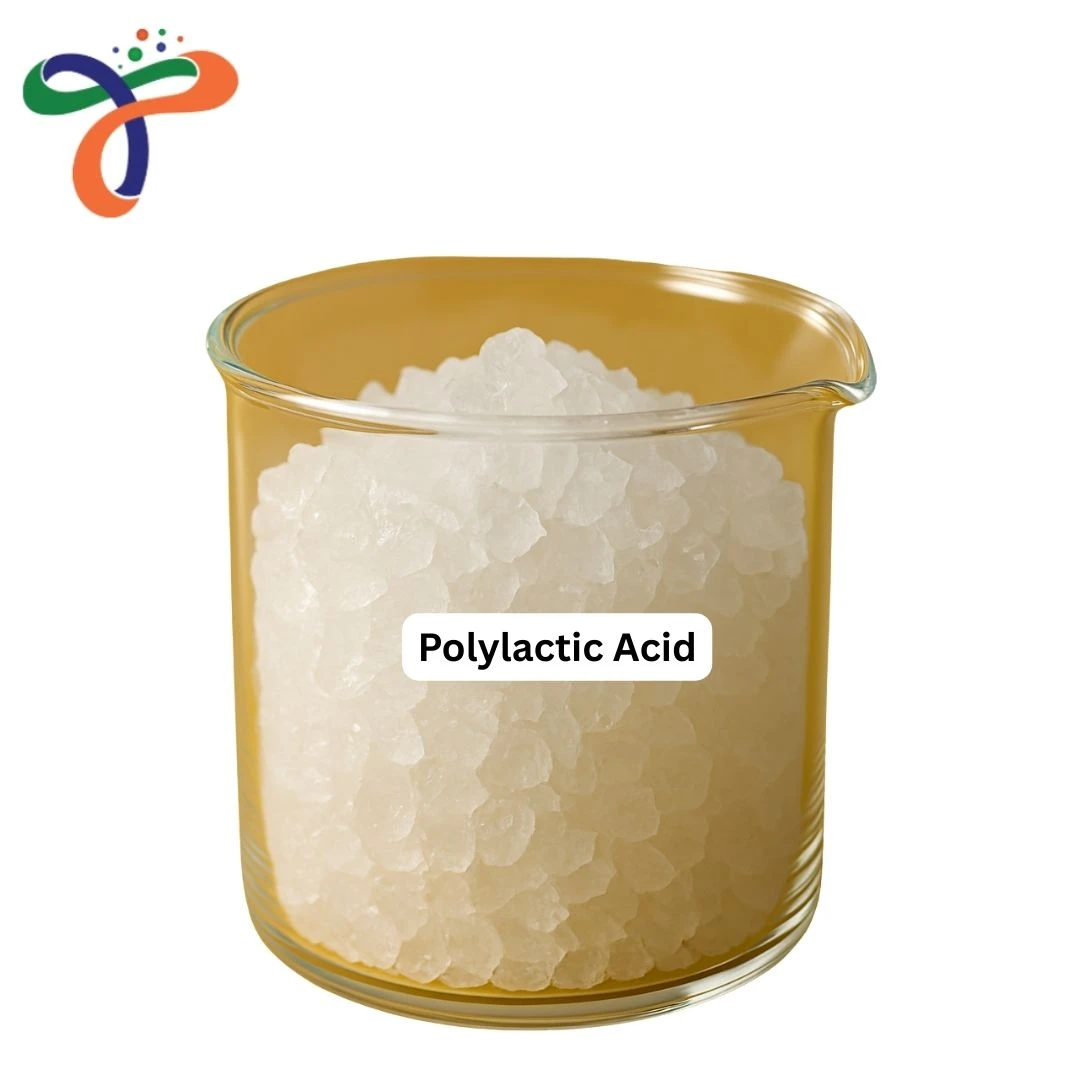
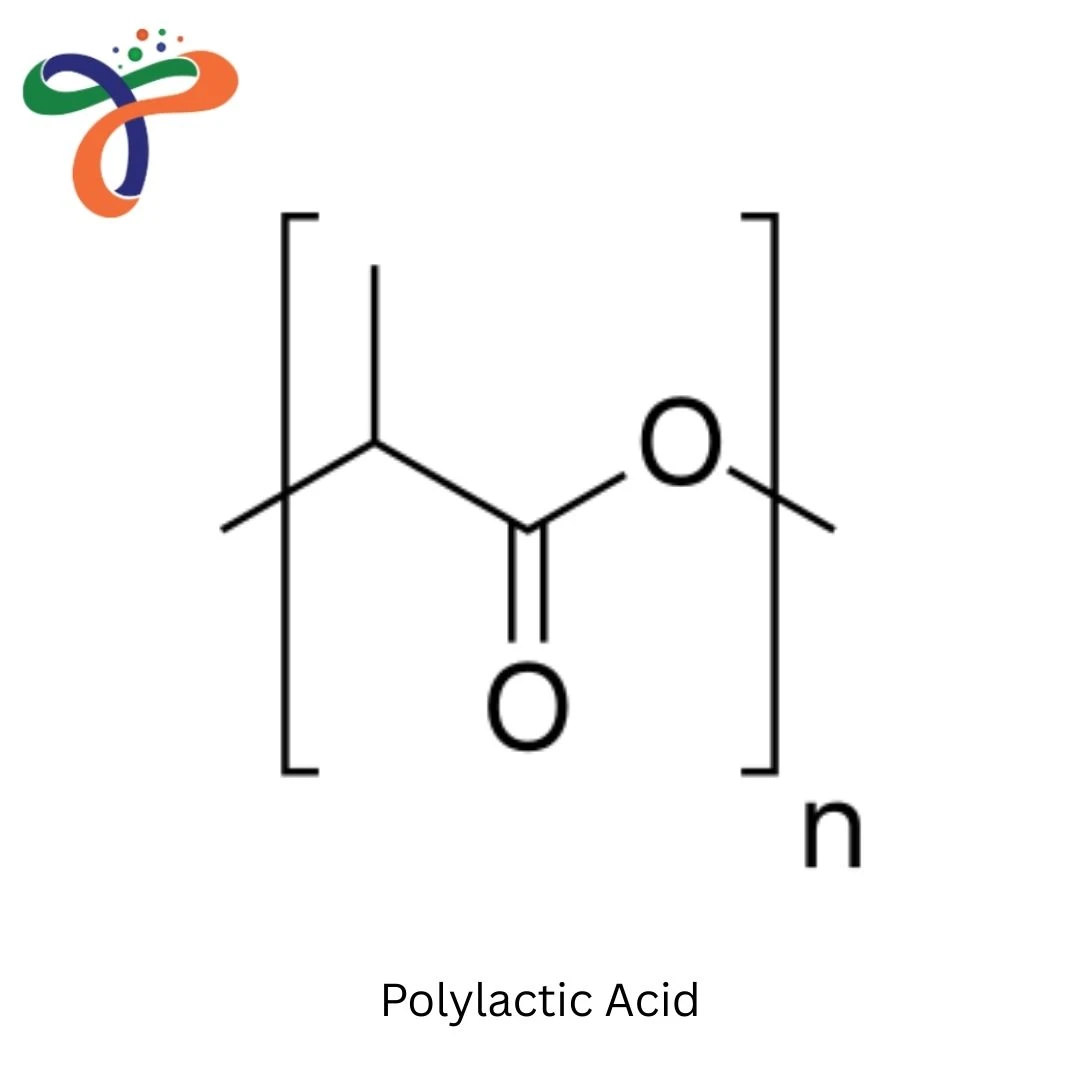
Polylactic Acid | 26100-51-6

Cas No :

26100-51-6

Form :

Solid

Molecular Weight :

100000 g/mol

Molecular Formula :

(C3H4O2)N

Boiling Point :

350 °C

Flash Point :

250 °C

Solubility :

Soluble in chlorinated solvents (chloroform, dichloromethane); insoluble in water

Description :
Polylactic Acid Supplier, Distributor and Exporter for the USA

Chemical Bull is a trusted Polylactic Acid supplier, manufacturer, distributor, and exporter for the USA, offering application-specific PLA grades under its Plastic & Rubber Chemicals range. We support packaging manufacturers, plastic processors, filament producers, compounders, and textile companies with samples, commercial quantities, COA, SDS, technical documentation, and shipment coordination.

Polylactic Acid, commonly known as PLA, is a biobased thermoplastic polyester used in packaging, injection molding, extrusion, thermoforming, films, fibers, 3D printing, and polymer compounding. Its clarity, stiffness, surface finish, and processing versatility make it suitable for a wide range of commercial plastic applications.

Quick Answer

Polylactic Acid, CAS 26100-51-6, is a thermoplastic polymer used in rigid packaging, disposable products, molded components, films, fibers, nonwovens, and 3D-printing filament. USA buyers should select the grade according to processing method, melt flow, thermal performance, mechanical properties, and end-use requirements. Submit a bulk enquiry with your required grade, application, quantity, and delivery destination to check availability and commercial pricing.


Applications of Polylactic Acid

Packaging and Thermoformed Products

PLA is used in transparent trays, cups, lids, containers, blister packs, and rigid packaging components. Its clarity and stiffness support applications where product visibility, lightweight construction, and clean appearance are important.

Injection-Molded Products

Injection-molding PLA grades are used in caps, containers, housings, promotional products, and consumer components. Important selection factors include melt flow, mold filling, shrinkage, dimensional stability, and cycle time.

3D-Printing Filament

PLA is widely used in filament production because it provides good print detail, low warping, and easy processing. Filament manufacturers should check melt-flow consistency, moisture level, diameter control, pigment compatibility, and thermal stability.

Films and Flexible Packaging

Selected PLA grades are processed into films, wraps, labels, and laminated packaging structures. The polymer may be modified to improve sealing, flexibility, toughness, or processing behavior.

Fibers and Nonwovens

Polylactic Acid may be used in textile fibers, filtration materials, hygiene products, agricultural fabrics, and specialty nonwovens. Fiber processors should confirm spinning stability, drawing performance, and thermal-bonding requirements.

Polymer Compounding

PLA can be blended with plasticizers, impact modifiers, fillers, pigments, reinforcing fibers, and chain extenders. Modified compounds may provide improved toughness, heat resistance, flexibility, color, or dimensional stability.


Key Benefits of Polylactic Acid

Good Clarity and Surface Finish

Selected PLA grades provide a clean appearance for transparent packaging, containers, and consumer products.

Useful Rigidity

PLA offers good stiffness for trays, cups, molded components, and thermoformed packaging.

Multiple Processing Options

Application-specific grades can be processed through extrusion, injection molding, thermoforming, fiber spinning, and 3D printing.

Modification Flexibility

PLA can be compounded with fillers, pigments, plasticizers, impact modifiers, and reinforcing materials to achieve specific performance targets.


Polylactic Acid Chemical Distributor for USA

Polylactic Acid is available in grades for molding, extrusion, thermoforming, films, fibers, filament production, and compounding. USA buyers should share the intended process, end-use application, required performance, order quantity, and preferred packaging.

Chemical Bull supports regular production volumes, and recurring commercial requirements.


Quality Approval Before Bulk Purchase

Before approving a PLA grade, buyers should test it under actual production conditions. Important evaluation points include melt flow, moisture level, appearance, thermal behavior, mechanical performance and compatibility with pigments, fillers or modifiers.

Buyers may request the available COA, SDS, technical data sheet and grade-specific documentation. Final purchasing approval should be based on the supplied specification


Request Bulk PLA Pricing for the USA

Secure Polylactic Acid for packaging, injection molding, extrusion, films, fibers, 3D-printing filament, and polymer compounding. Chemical Bull supports trial orders, regular production volumes, and bulk supply with suitable packaging and product documentation.

Request a Polylactic Acid quotation by sharing your required grade, application, order volume, packaging needs, and USA delivery destination.


Frequently Asked Questions

  1. What is Polylactic Acid?

    Polylactic Acid, or PLA, is a biobased thermoplastic polyester supplied mainly as pellets or granules. It is used in injection molding, extrusion, thermoforming, films, fibers, and 3D-printing applications.

  2. What is the CAS number of Polylactic Acid?

    The CAS number of Polylactic Acid is 26100-51-6.

  3. Which PLA grade should buyers select?

    The correct grade depends on the manufacturing process and finished application. Buyers should specify whether PLA is required for injection molding, extrusion, thermoforming, films, fibers, 3D-printing filament, or compounding.

  4. What information helps buyers receive an accurate PLA quotation?

    Buyers should provide the required grade, application, quantity, packaging preference, delivery schedule, and destination.

  5. Can Chemical Bull support recurring PLA requirements in the USA?

    Yes. Chemical Bull supports trial quantities, regular commercial orders, and recurring bulk PLA requirements for packaging companies, plastic processors, compounders, filament producers, distributors, and industrial buyers.