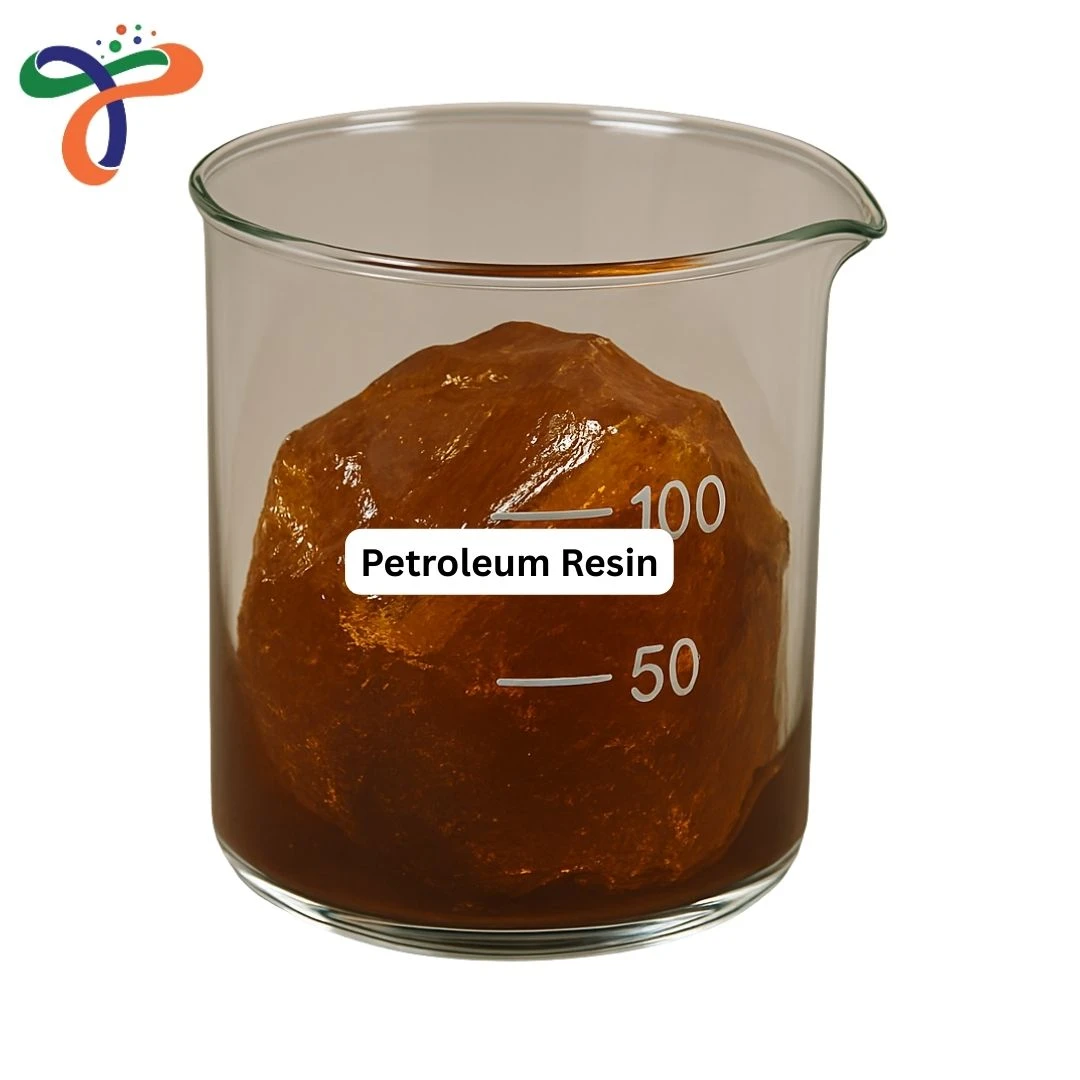
Petroleum Resin
Form :
Solid
Molecular Weight :
600 G/mol
Boiling Point :
350 °c
Flash Point :
170 °c
Solubility :
Soluble In Toluene And Xylene; Insoluble In Water
Description :
Petroleum Resin Supplier and Exporter for the USA
Chemical Bull is a Petroleum Resin supplier, distributor, wholesaler, and exporter for the USA, supporting commercial sourcing requirements for hot-melt adhesives, pressure-sensitive adhesives, rubber compounds, coatings, printing inks, and road-marking formulations.
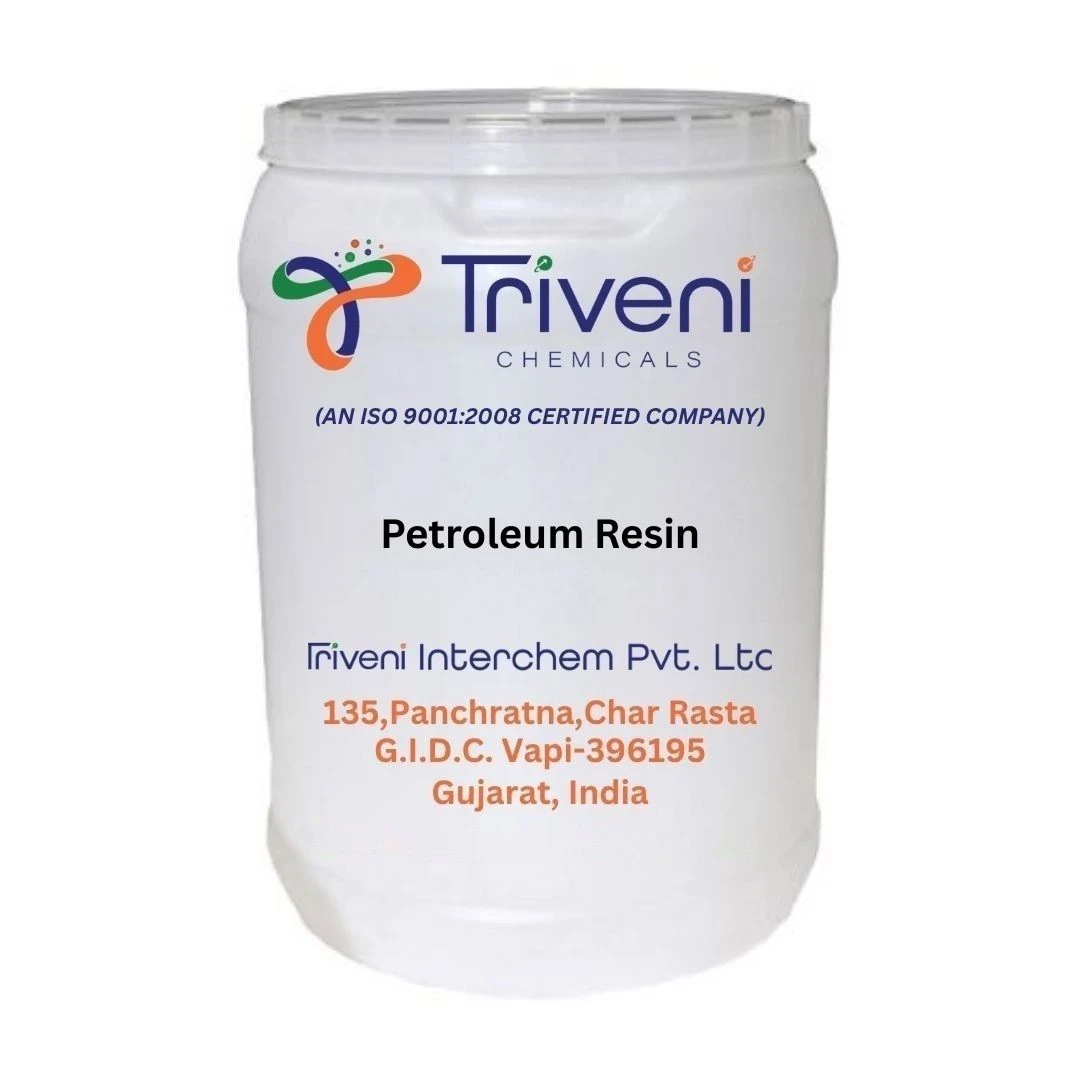
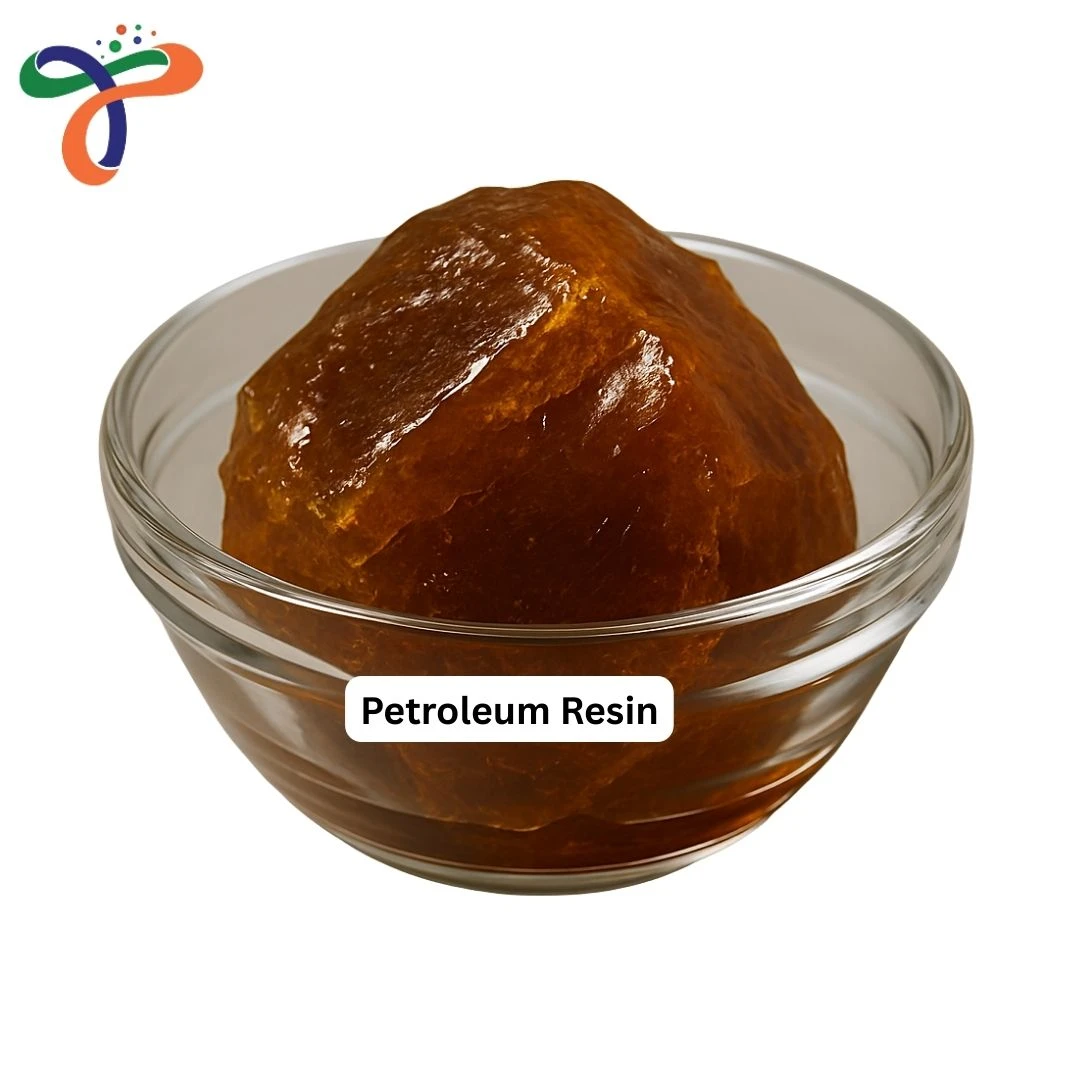
Petroleum Resin, also called Hydrocarbon Resin, is a low-molecular-weight resin used mainly as a tackifier and formulation modifier. USA manufacturers evaluate petroleum resins based on resin chemistry, softening point, color, compatibility, thermal stability, COA, SDS, and batch consistency.
Quick Answer
Petroleum Resin is a hydrocarbon resin used as a tackifier or modifier in adhesives, rubber compounds, coatings, printing inks, and road-marking systems. Commercial types include C5, C9, modified, and hydrogenated grades. Buyers should match resin chemistry, softening point, color, and polymer compatibility to their formulation.
What Is Petroleum Resin?
Petroleum Resin is a family of hydrocarbon resins produced from selected petrochemical feedstocks.
Common commercial categories include C5 aliphatic resins, C9 aromatic resins, mixed or modified resins, and hydrogenated hydrocarbon resins.
These categories differ in compatibility, color, and formulation behavior. Hydrogenated grades are often selected where lighter color and improved stability are important.
Petroleum Resin is normally used alongside a base polymer, binder, wax, oil, or other formulation components. The correct grade depends on the complete system rather than the product name alone.
Petroleum Resin Product Information
Product Name: Petroleum Resin
Alternate Name: Hydrocarbon Resin
Commercial Types: C5, C9, mixed or modified, and hydrogenated grades
Primary Functions: Tackifier and formulation modifier
Confirm resin type, softening point, color, compatibility, and grade-specific chemical identity from the supplied TDS and SDS.
Petroleum Resin Applications for Industrial Manufacturing
Hot-Melt Adhesives
Petroleum Resin is used as a tackifier in hot-melt adhesive formulations for packaging and industrial bonding.
Manufacturers select grades according to base-polymer compatibility, adhesion, application viscosity, and thermal stability. Typical packaging uses include suitable carton-sealing and assembly adhesives.
Pressure-Sensitive Adhesives
Hydrocarbon resins are used in pressure-sensitive adhesives for tapes, labels, and other bonding products.
Formulators evaluate initial tack, peel adhesion, cohesion, and aging performance. Resin selection should match the adhesive polymer and intended substrate.
Rubber Compounding
Selected Petroleum Resin grades are used as tackifiers or modifiers in rubber compounds.
Rubber manufacturers should assess polymer compatibility, processing behavior, compound tack, and finished-product performance. Different rubber systems require different resin grades.
Coating Formulations
Suitable hydrocarbon resins are used in selected industrial coating formulations.
Coating manufacturers evaluate binder compatibility, solvent solubility, film properties, and color. Petroleum Resin should be matched to the intended coating chemistry and service conditions.
Printing Inks
Selected grades are used as resin components in printing ink formulations.
Ink manufacturers should evaluate compatibility, viscosity, pigment interaction, and print performance. Resin chemistry and color requirements vary with the printing process.
Road-Marking Formulations
Suitable Petroleum Resin grades are used in thermoplastic road-marking binder systems.
Manufacturers should assess compatibility with waxes, fillers, pigments, and other binders. Softening behavior, application performance, and finished-marking requirements guide grade selection.
Why Manufacturers Source Petroleum Resin
Useful Tackifying Performance
Compatible hydrocarbon resins help formulators adjust tack and adhesion in selected adhesive systems.
Multiple Resin Chemistries
C5, C9, modified, and hydrogenated grades provide different options for application-specific formulation.
Color and Stability Options
Manufacturers can specify color and stability requirements according to the finished product and processing conditions.
Supports Repeat Production
An approved resin specification and consistent batch documentation help buyers maintain formulation and purchasing consistency.
Petroleum Resin Supplier for USA Manufacturers
When comparing a Petroleum Resin supplier for the USA, procurement teams should identify the required chemistry and approved grade specification.
Buyers should compare softening point, color, compatibility, thermal stability, relevant quality limits, COA, SDS, TDS, packaging, and lead time.
Chemical Bull supports commercial sourcing enquiries from adhesive manufacturers, rubber compounders, coating companies, printing ink producers, road-marking businesses, and distributors across the United States.
Related Adhesive and Polymer Chemicals
Manufacturers sourcing Petroleum Resin may also explore Polyethylene Wax, Styrene Butadiene, and Polyvinyl Acetate.
These materials serve different roles in selected adhesive, rubber, and polymer systems. Their suitability depends on the formulation and technical requirements.
Petroleum Resin SDS and Documentation
Chemical Bull can provide available Petroleum Resin SDS, COA, TDS, and product specifications with commercial supply enquiries.
Petroleum Resin is a product family, so buyers should confirm the exact grade’s composition and CAS information from its SDS.
Follow the supplied documentation for handling, storage, and processing. Food-packaging or other regulated applications require confirmation of grade-specific suitability and supporting documents.
Buy Petroleum Resin in Bulk for the USA
Chemical Bull supports bulk Petroleum Resin sourcing for industrial manufacturers, formulators, distributors, and procurement teams.
Commercial pricing depends on resin type, hydrogenation, specification, quantity, packaging, and delivery terms. Include your approved grade requirements and purchasing schedule when requesting a quotation.
Frequently Asked Questions
-
What is Petroleum Resin?
Petroleum Resin is a low-molecular-weight hydrocarbon resin used as a tackifier or modifier in selected industrial formulations.
-
What is Petroleum Resin used for?
Suitable grades are used in hot-melt adhesives, pressure-sensitive adhesives, rubber compounds, coatings, printing inks, and road-marking systems.
-
What is the difference between C5 and C9 Petroleum Resin?
C5 resins are primarily aliphatic, while C9 resins are primarily aromatic. Their chemistry affects polymer compatibility, color, and formulation suitability.
-
Why are hydrogenated hydrocarbon resins used?
Suitable hydrogenated grades are selected where lighter color and improved stability are important. Buyers should confirm performance through the exact grade’s technical data.
-
What should buyers check before purchasing Petroleum Resin?
Confirm resin chemistry, softening point, color, base-polymer compatibility, stability requirements, COA, SDS, packaging, and application performance.
-
Can Chemical Bull support bulk Petroleum Resin supply for the USA?
Chemical Bull supports commercial sourcing enquiries for USA manufacturers and distributors. Share your resin type, specification, quantity, and destination to confirm availability and quotation terms.