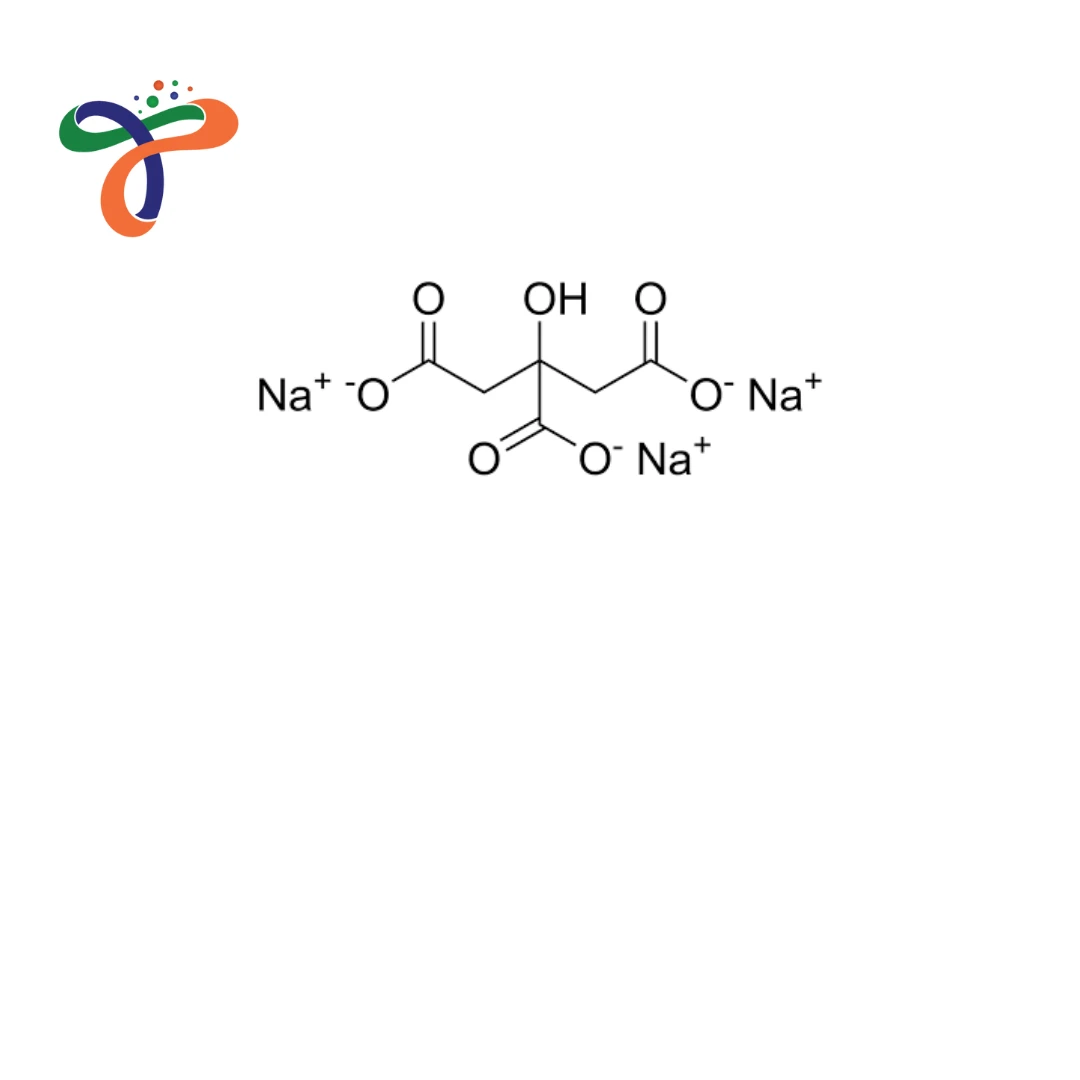
Trisodium Citrate Anhydrous | 68-04-2
Cas No :
68-04-2
Synonyms :
Form :
Powder
Molecular Weight :
258.07 g/mol
Molecular Formula :
C6H5O7. 3NA
Boiling Point :
900 °C
Melting Point :
300 °C
Flash Point :
500 °C
Solubility :
Soluble in water; freely soluble
Description :
Trisodium Citrate Anhydrous Supplier and Exporter for the USA
Chemical Bull supports bulk sourcing of Trisodium Citrate Anhydrous for USA manufacturers, beverage formulators, dairy processors, dry-mix producers, ingredient distributors, and procurement teams.
We coordinate sourcing against your approved specification, application, quantity, packaging, and documentation requirements.
Trisodium Citrate Anhydrous Supplier and Distributor for USA Buyers
Chemical Bull is a Trisodium Citrate Anhydrous supplier, distributor, wholesaler, and exporter serving the USA. Our team supports manufacturer specification reviews, sample enquiries, bulk pricing, packaging options, and delivery arrangements.
For new formulations or repeat procurement, share your required grade, particle characteristics, and production requirements. Confirm availability, minimum order quantity, and lead time with your quotation.
Quick Buyer Answer
Trisodium Citrate Anhydrous is a sodium salt of Citric Acid used for buffering, acidity control, and sequestration in suitable food formulations. Its anhydrous form is particularly relevant to moisture-sensitive dry blends. USA buyers should specify grade, water content, particle size, quantity, packaging, and documentation when requesting pricing.
What Is Trisodium Citrate Anhydrous?
Trisodium Citrate Anhydrous, also called Sodium Citrate Anhydrous or Citric Acid Trisodium Salt Anhydrous, has CAS number 68-04-2 and formula C6H5Na3O7.
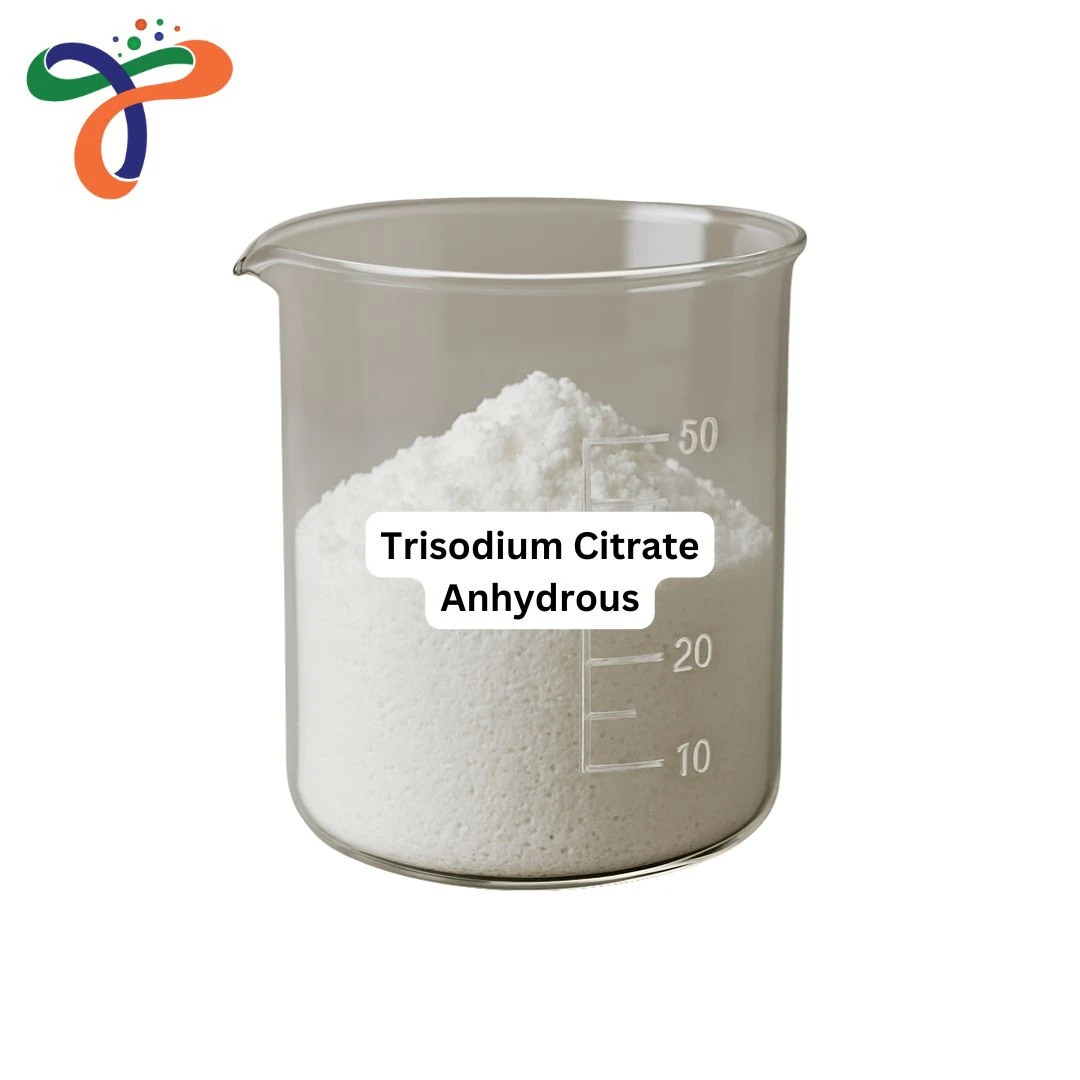
It is commonly supplied as a white crystalline powder or granular material. It dissolves in water and supplies citrate ions for compatible formulation systems.
The anhydrous form has no water of crystallization. This distinguishes it from Trisodium Citrate Dihydrate, although the supplied material must still meet an agreed moisture specification.
Trisodium Citrate Anhydrous Applications in Food and Beverage Manufacturing
Instant Beverages and Powdered Drink Mixes
Trisodium Citrate Anhydrous is used in suitable instant beverage and powdered drink formulations for buffering and acidity control.
Manufacturers should evaluate dissolution, flavor balance, blend uniformity, and moisture stability. The anhydrous form is particularly useful where formulation water content matters.
Liquid Beverage Formulations
Suitable grades support pH adjustment and buffering in beverage systems, often alongside Citric Acid.
Formulators should assess the required pH, buffer capacity, sodium contribution, taste, and compatibility with other ingredients.
Processed Cheese and Cheese Preparations
Trisodium citrate can function as an emulsifying salt in suitable processed-cheese formulations by interacting with calcium in the protein system.
For an anhydrous grade, processors should account for the citrate contribution per unit weight and evaluate melting behavior, texture, and emulsion stability in the complete recipe.
Dairy and Dairy-Based Preparations
Suitable citrate grades are used in selected dairy formulations requiring buffering or calcium management.
Manufacturers should assess protein stability, mineral balance, processing conditions, and sensory performance. Suitability depends on the specific product and formulation.
Dry Food Blends and Instant Preparations
Trisodium Citrate Anhydrous supports selected dry food blends and instant preparations requiring a powdered buffering ingredient.
Blenders should evaluate particle-size compatibility, mixing uniformity, moisture pickup, and performance after reconstitution.
Trisodium Citrate Anhydrous vs Dihydrate
Trisodium Citrate Anhydrous contains no water of crystallization, while the dihydrate contains two molecules of crystal water. Their formula weights and citrate contribution per unit mass are therefore different.
When comparing quotations, confirm the hydration form, assay reporting basis, and water-content specification. An identical purchase weight does not provide an identical amount of anhydrous citrate.
For substitution, review formulation quantities, water balance, and processing performance. Approve changes through appropriate trials.
Industries We Supply
Chemical Bull accepts Trisodium Citrate Anhydrous sourcing enquiries from beverage manufacturers, dairy processors, processed-cheese producers, instant-food businesses, dry-mix manufacturers, ingredient blenders, and distributors.
How to Select a Trisodium Citrate Anhydrous Grade
When comparing Trisodium Citrate Anhydrous suppliers for the USA, review identification, assay basis, water content, particle-size distribution, solution clarity, and relevant impurity limits.
For food applications, request supporting food-grade documentation and confirmation of any required specification, such as FCC compliance where applicable. Verify declarations against the exact offered grade.
For moisture-sensitive blends, assess packaging protection and handling conditions alongside the material specification. Confirm dissolution performance under the intended preparation conditions.
Share your approved specification or existing grade reference when requesting an alternative source.
Bulk Packaging and Supply Support
Chemical Bull coordinates bulk Trisodium Citrate Anhydrous supply enquiries, with packaging, minimum order quantity, and delivery arrangements confirmed against the offered material.
Share your shipment quantity, consumption schedule, preferred pack size, and USA delivery ZIP code. Our team can coordinate availability checks, documentation requests, and commercial quotations.
Confirm net weight, packaging integrity, moisture protection, storage recommendations, and remaining shelf life before ordering.
Trisodium Citrate Anhydrous COA, SDS and Documentation
Request the COA, SDS, product specification, and available TDS during supplier evaluation.
Include requirements for origin, traceability, allergen statements, GMO status, or relevant certifications in your enquiry. Document availability should be confirmed for the exact supplied grade.
Review batch results against your approved specification and follow the manufacturer’s handling and storage guidance.
Where to Buy Trisodium Citrate Anhydrous for USA Manufacturing
Manufacturers and ingredient distributors can contact Chemical Bull for Trisodium Citrate Anhydrous sourcing and export enquiries for the USA.
Provide your required grade, specification, quantity, application, packaging preference, documentation needs, and delivery destination to receive a relevant quotation.
Frequently Asked Questions
-
What is Trisodium Citrate Anhydrous used for?
Trisodium Citrate Anhydrous is used for buffering, acidity control, and sequestration in suitable food and beverage formulations. Applications include instant drinks, dry mixes, and selected dairy or cheese preparations. -
How does the anhydrous form differ from Trisodium Citrate Dihydrate?
The anhydrous form has no water of crystallization, while the dihydrate contains two molecules of crystal water. Account for their different formula weights when comparing quantities and formulation requirements. -
Can buyers request a particular particle size?
Include the required particle-size range, blending requirements, and intended application in your enquiry. Chemical Bull can check available grades and supporting specifications. -
What documents should buyers request before ordering?
Request the COA, SDS, product specification, and available TDS. Confirm hydration form, assay basis, water content, and any required food-use declarations or certifications. -
How can USA buyers request Trisodium Citrate Anhydrous bulk pricing?
Send Chemical Bull your required grade, specification, quantity, application, packaging preference, documentation requirements, and USA delivery ZIP code. Pricing and lead time are confirmed against the offered supply.
Related Food and Beverage Ingredients
Explore Trisodium Citrate Dihydrate, Citric Acid, and Tripotassium Citrate for different buffering and acidity-control requirements.
Select each ingredient according to the approved formulation and manufacturing process.