Polymethyl Methacrylate | 9011-14-7
Cas No :
9011-14-7
Synonyms :
Form :
Solid
Molecular Weight :
120000 g/mol
Molecular Formula :
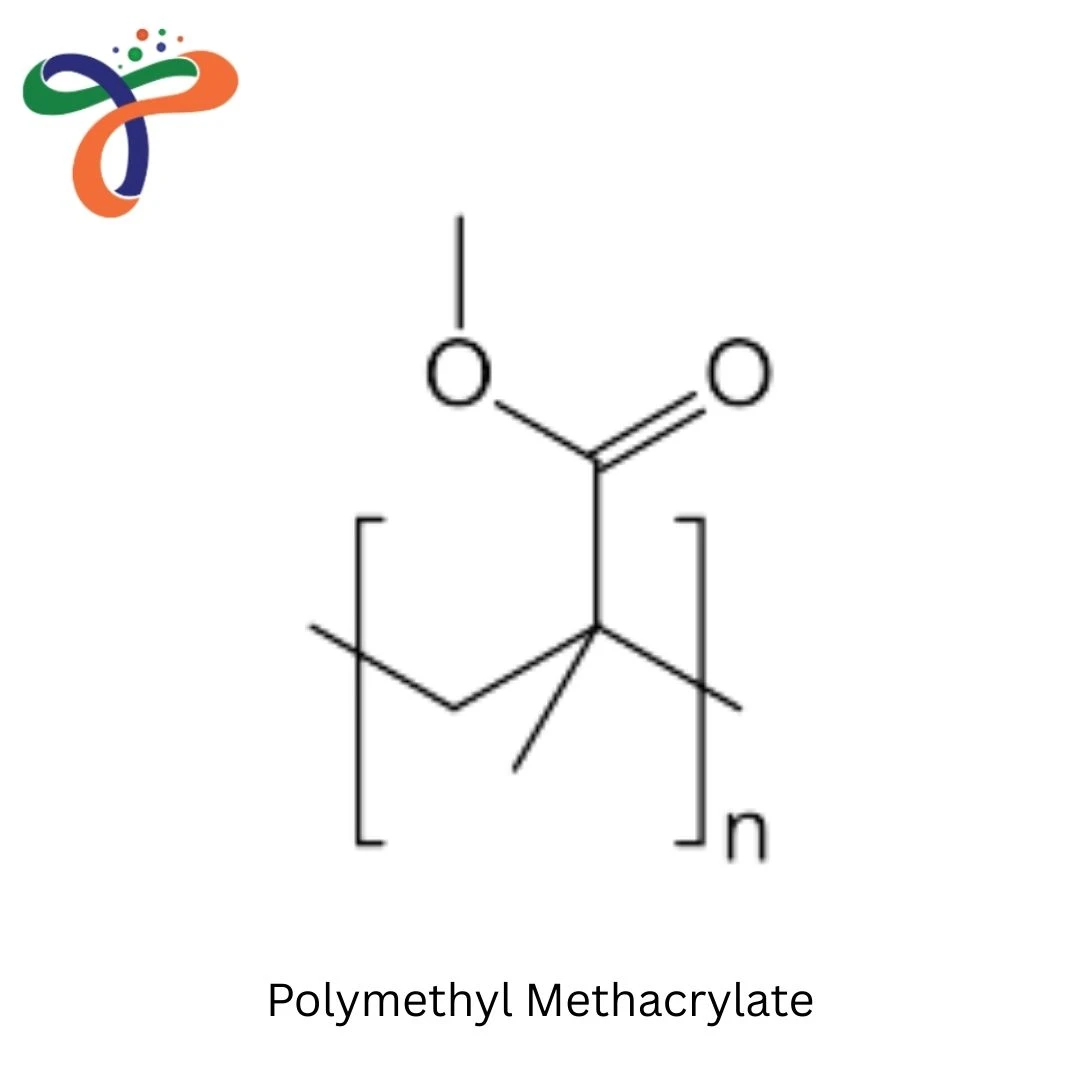
(C5H8O2)N
Boiling Point :
350 °c
Flash Point :
250 °c
Solubility :
Soluble In Acetone, Chloroform, Thf; Insoluble In Water
Description :
Polymethyl Methacrylate Supplier and Exporter for the USA
Chemical Bull is a trusted Polymethyl Methacrylate supplier, distributor, wholesaler, and exporter for the USA, supplying commercial requirements for acrylic sheets, injection molding, extrusion, automotive components, lighting products, signage, displays, optical parts, and specialty plastic manufacturing.
Polymethyl Methacrylate, commonly abbreviated as PMMA and widely known as acrylic, is a transparent thermoplastic polymer valued for its optical clarity, surface finish, weather resistance, rigidity, and processing versatility. USA buyers commonly evaluate PMMA based on resin grade, melt-flow characteristics, transparency, impact performance, heat resistance, processing method, packaging, COA, SDS, and batch consistency.
Quick Answer
Polymethyl Methacrylate is mainly used in acrylic sheets, automotive lighting, signage, displays, lenses, light diffusers, injection-molded parts, architectural products, and specialty transparent plastics.
Submit a bulk enquiry with your required PMMA grade, processing method, quantity, application, packaging, and USA delivery destination to receive availability and commercial pricing.
What Is Polymethyl Methacrylate?
Polymethyl Methacrylate is a thermoplastic acrylic polymer commonly referred to as PMMA or acrylic.
It is widely used as a transparent plastic where manufacturers require high clarity, attractive surface appearance, dimensional stability, and resistance to outdoor weathering.
Polymethyl Methacrylate is commonly sourced by acrylic sheet manufacturers, injection molders, extruders, automotive component manufacturers, lighting companies, signage producers, optical-product businesses, plastics processors, distributors, and industrial procurement teams.
Polymethyl Methacrylate Product Information
Product Name: Polymethyl Methacrylate
Common Abbreviation: PMMA
Common Name: Acrylic
Chemical Type: Thermoplastic Acrylic Polymer
Primary Functions: Transparent plastic resin, molding material, extrusion resin, and specialty polymer raw material
Main Industries: Acrylic sheets, automotive, lighting, signage, displays, optics, construction, plastics, and specialty polymer processing
Commercial specifications can vary according to resin grade, melt-flow characteristics, transparency, impact performance, heat resistance, particle or pellet form, and intended processing method. Buyers should review the supplied COA, SDS, and technical specification before commercial approval.
Polymethyl Methacrylate Applications for Plastic Manufacturing
Acrylic Sheet Manufacturing
Polymethyl Methacrylate is widely used in the manufacture of clear, colored, frosted, and specialty acrylic sheets.
These sheets are used in signage, displays, partitions, protective panels, architectural products, and other applications requiring transparency and good surface appearance.
Injection-Molded Components
PMMA is used in selected injection-molded plastic components requiring clarity, rigidity, dimensional stability, or decorative surface quality.
Manufacturers should select the appropriate grade according to melt flow, mold design, wall thickness, processing temperature, and finished-part performance.
Automotive Lighting and Components
Polymethyl Methacrylate is used in selected automotive lighting lenses, light guides, interior trim, and transparent molded components.
Manufacturers typically evaluate optical clarity, weather resistance, heat performance, surface quality, and impact requirements before selecting a PMMA grade.
Lighting and Optical Applications
PMMA is widely used in light diffusers, lenses, covers, light guides, illuminated panels, and selected optical components.
Its transparency and surface quality make it suitable for applications where light transmission and visual appearance are important.
Signage and Display Products
Polymethyl Methacrylate is commonly used in sign boards, retail displays, point-of-sale units, exhibition materials, and decorative panels.
The required grade depends on transparency, color, surface finish, fabrication process, and outdoor exposure requirements.
Extruded Profiles and Sheets
PMMA grades designed for extrusion are used in selected sheets, profiles, lighting components, and specialty extruded products.
Extruders typically evaluate melt-flow behavior, clarity, dimensional control, surface quality, and processing stability.
Construction and Architectural Applications
Polymethyl Methacrylate may be used in selected architectural panels, transparent barriers, decorative surfaces, skylight components, and building products.
The appropriate grade should be selected according to outdoor exposure, thickness, fabrication method, impact requirements, and finished-product standards.
Specialty Plastic Applications
PMMA is also used in selected appliance components, sanitary products, transparent housings, furniture parts, decorative items, and specialty molded plastics.
Manufacturers should match the PMMA grade to processing method, transparency, impact performance, thermal requirements, and final application.
Why Manufacturers Source Polymethyl Methacrylate
High Optical Clarity
PMMA is widely selected for transparent products where manufacturers require high light transmission and attractive visual appearance.
Good Weather Resistance
Suitable Polymethyl Methacrylate grades provide good resistance to outdoor weathering, making them useful for signage, lighting, and architectural applications.
Suitable for Molding and Extrusion
Different PMMA resin grades are available for injection molding, extrusion, sheet production, and other thermoplastic processing methods.
Good Surface Appearance
PMMA is commonly selected for visible components where clarity, gloss, smoothness, and decorative appearance are important.
Broad Industrial Applications
Polymethyl Methacrylate serves manufacturers across automotive, lighting, displays, signage, construction, optics, and specialty plastic sectors.
Polymethyl Methacrylate Supplier for USA Buyers
When comparing a Polymethyl Methacrylate supplier, procurement teams should review resin grade, melt-flow characteristics, transparency, impact performance, heat resistance, processing method, batch consistency, COA, SDS availability, packaging, lead time, and recurring supply capability.
Chemical Bull supports commercial requirements for acrylic sheet manufacturers, injection molders, extruders, automotive component companies, lighting businesses, signage manufacturers, display producers, optical-product companies, plastics processors, distributors, and procurement teams across the United States.
Related Acrylic and Polymer Chemicals
Manufacturers sourcing Polymethyl Methacrylate for acrylic and plastic applications may also explore Acrylic Acid, 2-Hydroxyethyl Acrylate, 2-Ethylhexyl Acrylate, and Polyvinyl Chloride.
These related materials are commonly used across acrylic polymer manufacturing, coatings, adhesives, plastic processing, resin production, and specialty polymer applications.
Polymethyl Methacrylate SDS and Documentation
USA buyers should review the latest supplier-issued Polymethyl Methacrylate SDS before handling, storage, processing, transportation, or commercial use.
Chemical Bull can provide available COA, SDS, product specifications, and technical documentation with commercial supply enquiries.
Buyers should confirm resin grade, melt-flow characteristics, optical requirements, impact performance, heat resistance, processing method, storage requirements, and application-specific specifications before commercial approval.
Buy Polymethyl Methacrylate in Bulk for the USA
Chemical Bull supports bulk Polymethyl Methacrylate requirements for acrylic sheet manufacturers, injection molders, extrusion companies, automotive suppliers, lighting businesses, signage manufacturers, plastics processors, specialty product manufacturers, distributors, and industrial procurement teams.
Share your required PMMA grade, processing method, application, quantity, packaging preference, documentation requirements, and USA delivery destination to receive availability and a customized quotation.
Frequently Asked Questions
-
What is Polymethyl Methacrylate?
Polymethyl Methacrylate, commonly called PMMA or acrylic, is a transparent thermoplastic polymer used in sheets, molded parts, automotive lighting, signage, displays, optical components, and specialty plastics.
-
What is Polymethyl Methacrylate used for?
PMMA is mainly used in acrylic sheets, automotive lighting, signs, displays, lenses, light diffusers, injection-molded components, architectural products, and specialty transparent plastics.
-
Is PMMA suitable for transparent plastic applications?
Yes. PMMA is widely used in transparent applications because suitable grades provide high optical clarity, good surface appearance, rigidity, and weather resistance.
-
What should buyers check before purchasing Polymethyl Methacrylate?
Buyers should review resin grade, melt-flow characteristics, transparency, impact performance, heat resistance, processing method, COA, SDS, packaging, and batch consistency.
-
Can Chemical Bull support bulk Polymethyl Methacrylate supply in the USA?
Yes. Chemical Bull supports commercial and recurring PMMA requirements for plastics processors, sheet manufacturers, molders, extruders, distributors, and procurement teams across the United States.