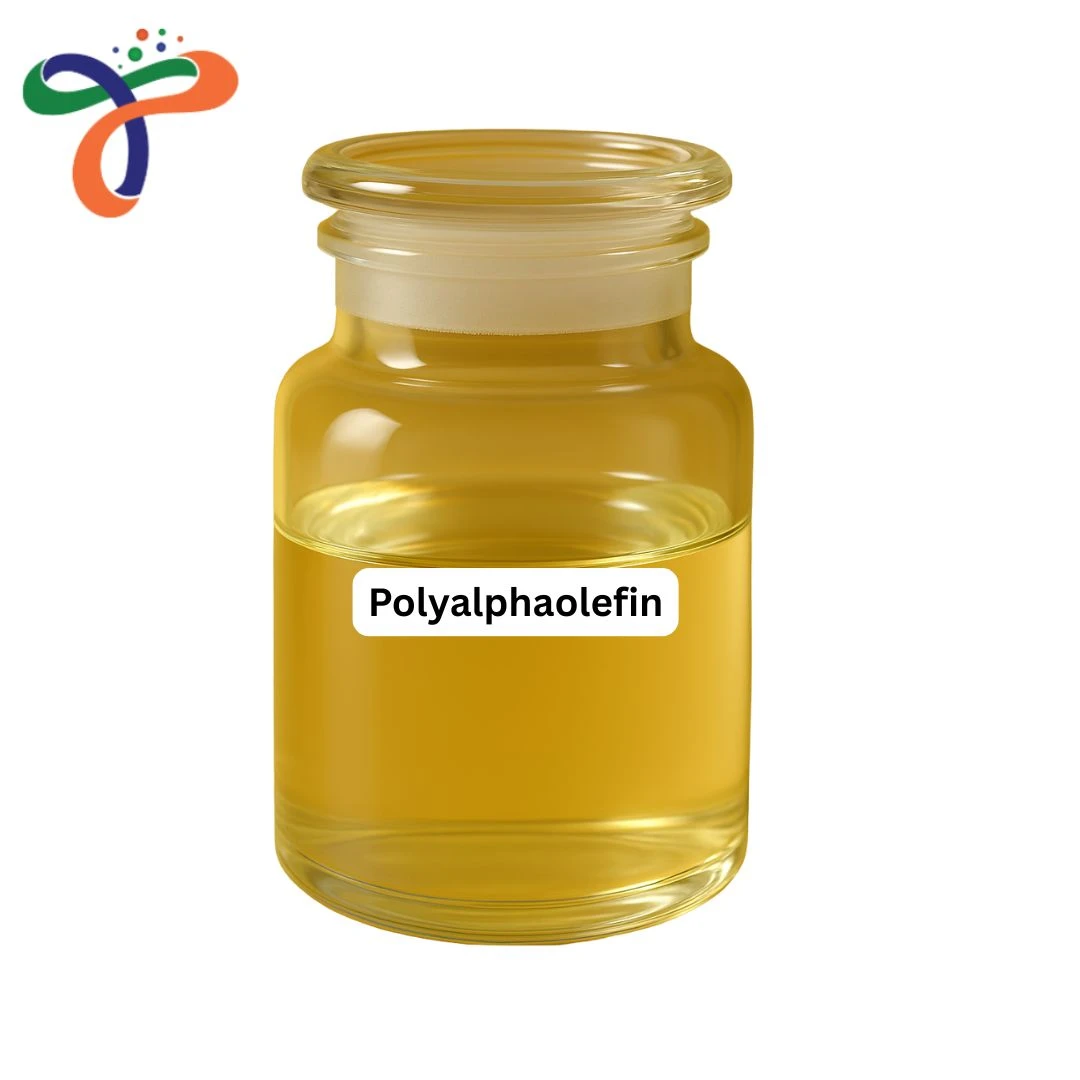
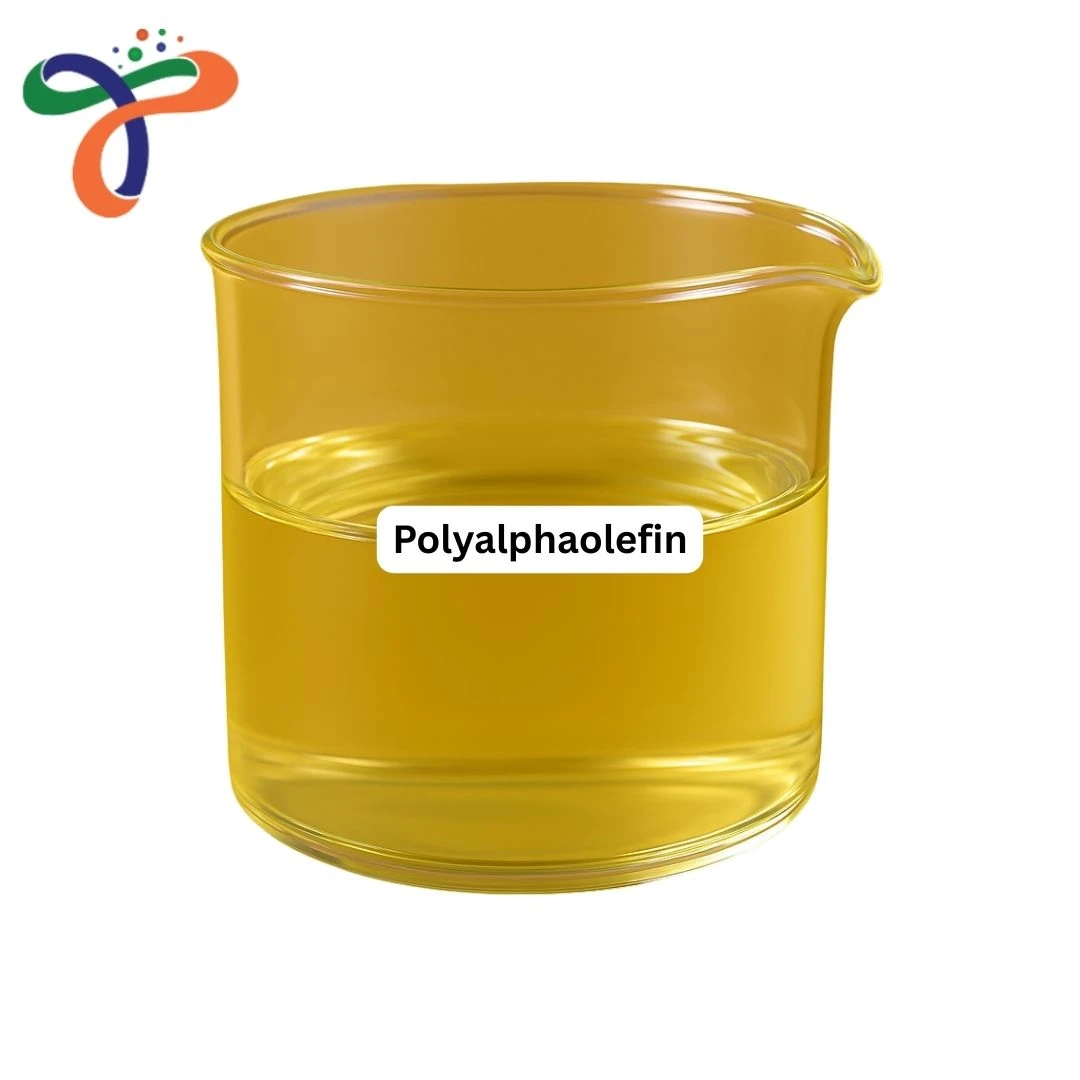
Polyalphaolefin
Form :
Liquid
Molecular Weight :
420 G/mol
Boiling Point :
320 °c
Flash Point :
230 °c
Solubility :
Insoluble In Water; Soluble In Organic Solvents Such As Toluene And Xylene
Description :
Polyalphaolefin Supplier and Exporter for the USA
Chemical Bull is a Polyalphaolefin supplier, distributor, wholesaler, and exporter for the USA, supporting commercial requirements for synthetic lubricants, industrial gear oils, compressor oils, hydraulic fluids, automotive lubricants, and grease manufacturing.
Polyalphaolefin, commonly abbreviated as PAO, is a synthetic hydrocarbon base fluid used mainly in high-performance lubricant formulations. USA lubricant manufacturers evaluate PAO based on viscosity grade, viscosity index, pour point, volatility, oxidation stability, additive compatibility, packaging, COA, SDS, and batch consistency.
Quick Answer
Polyalphaolefin is a synthetic base oil used in engine oils, gear oils, compressor lubricants, hydraulic fluids, transmission fluids, and greases. PAO grades offer useful low-temperature fluidity, viscosity-temperature performance, and oxidation resistance. Buyers should match the base-fluid viscosity and additive compatibility to the intended lubricant formulation.
What Is Polyalphaolefin?
Polyalphaolefin is a synthetic hydrocarbon fluid produced by oligomerizing alpha olefins, followed by processing that commonly includes hydrogenation.
Its controlled molecular structure supports lubricant formulations requiring stable viscosity behavior, low-temperature flow, and resistance to thermal and oxidative degradation.
PAO is a base fluid rather than a fully formulated lubricant. Finished oils normally require suitable additive packages and may contain other base stocks to achieve the required performance.
Polyalphaolefin is commonly sourced by lubricant blenders, automotive oil manufacturers, industrial lubricant producers, grease manufacturers, specialty fluid formulators, distributors, and procurement teams.
Polyalphaolefin Product Information
Product Name: Polyalphaolefin
Common Abbreviation: PAO
Alternate Names: Poly Alpha Olefin, Polyalphaolefin Base Oil, Synthetic Hydrocarbon Base Fluid
Chemical Type: Synthetic Hydrocarbon Fluid
Primary Functions: Lubricant base stock, blending fluid, and viscosity-building component in selected formulations
Commercial Grades: Low-viscosity and high-viscosity PAO grades, depending on the required specification
Main Industries: Automotive lubricants, industrial lubrication, gear oils, compressor oils, hydraulic fluids, greases, and specialty fluids
PAO is a product family with grade-dependent composition and properties. Confirm the exact chemical identity and CAS information from the supplied SDS rather than assigning one CAS number to every grade.
Buyers should compare kinematic viscosity at 40°C and 100°C, viscosity index, pour point, flash point, volatility, and application-specific requirements before commercial approval.
Polyalphaolefin Applications for Industrial Manufacturing
Synthetic Engine Oil Manufacturing
Polyalphaolefin is used as a synthetic base stock in passenger car and heavy-duty engine oil formulations.
Formulators select PAO grades and blending ratios according to viscosity targets, cold-start performance, volatility, and the required finished-oil specifications.
Industrial and Automotive Gear Oils
PAO is used in industrial gear oils, automotive axle oils, and selected wind turbine lubricants.
Low- and high-viscosity grades can be blended to reach the target viscosity. Load-carrying and wear protection depend on the complete formulation and its validated performance.
Compressor Lubricants
Polyalphaolefin is used in selected synthetic compressor oil formulations.
Its base-fluid properties support applications requiring controlled viscosity and oxidation resistance. Manufacturers should evaluate operating temperature, gas compatibility, seal compatibility, and deposit control.
Hydraulic Fluids
PAO is used in selected synthetic hydraulic fluid formulations, particularly where a broad operating-temperature range is required.
The formulation should be evaluated for antiwear performance, air release, foam control, water separation, and compatibility with system materials.
Transmission and Driveline Fluids
Polyalphaolefin is used as a base-fluid component in selected transmission and driveline lubricant formulations.
Formulators should confirm viscosity, friction characteristics, additive response, and equipment specifications before approving the finished fluid.
Synthetic Grease Manufacturing
PAO is used as a base oil in synthetic greases for bearings and other industrial or automotive components.
Grade selection depends on operating speed, temperature, load, and the thickener system. Manufacturers should evaluate oil separation, mechanical stability, and lubrication performance.
High-Viscosity Lubricant Blending
High-viscosity PAO grades serve as viscosity-building blend stocks in selected gear oils, greases, and industrial lubricants.
They help formulators reach viscosity targets while considering shear stability, low-temperature behavior, and compatibility with other base oils.
Why Manufacturers Source Polyalphaolefin
Low-Temperature Fluidity
Suitable PAO grades support lubricant flow during cold starts and low-temperature operation. Performance varies with viscosity grade and the complete formulation.
Useful Viscosity-Temperature Performance
PAO base fluids help formulators manage viscosity across changing operating temperatures.
Thermal and Oxidative Stability
PAO provides a stable base-fluid platform for demanding lubricant applications. Finished-oil durability also depends on antioxidants, contamination, and service conditions.
Flexible Grade Selection
Different PAO viscosity grades support a range of automotive and industrial lubricant formulations.
Polyalphaolefin Supplier for USA Manufacturers
When comparing a Polyalphaolefin supplier for the USA, procurement teams should confirm the required viscosity grade and review the supplied technical specification.
Important purchasing factors include batch consistency, viscosity index, pour point, volatility, COA, SDS, TDS, packaging, lead time, and recurring supply capability.
Chemical Bull supports bulk PAO base oil sourcing enquiries from lubricant manufacturers, grease producers, specialty fluid formulators, distributors, and industrial buyers across the United States.
Related Lubricant and Formulation Chemicals
Manufacturers sourcing Polyalphaolefin may also explore Polybutene, Dibutyl Adipate, and Zinc Dialkyl Dithiophosphate.
These materials have different functions in selected lubricant and specialty formulations. Their suitability should be assessed against the required base-fluid, blending, or additive specifications.
Polyalphaolefin SDS and Documentation
Chemical Bull can provide available Polyalphaolefin SDS, COA, TDS, and product specifications with commercial supply enquiries.
Buyers should follow the supplied grade-specific documentation for handling, storage, and transportation. Confirm viscosity, chemical identity, flash point, and compatibility requirements before formulation approval.
Food-contact lubricant applications require the appropriate grade-specific registration and documentation. General industrial PAO should not be assumed suitable for these uses.
Buy Polyalphaolefin in Bulk for the USA
Chemical Bull supports bulk Polyalphaolefin requirements for automotive and industrial lubricant manufacturing.
PAO pricing depends on viscosity grade, specification, order quantity, packaging, and delivery terms. Include your target viscosity, application, documentation needs, and purchasing schedule when requesting a quotation.
Frequently Asked Questions
-
What is Polyalphaolefin?
Polyalphaolefin, or PAO, is a synthetic hydrocarbon base fluid used to formulate automotive and industrial lubricants.
-
What is Polyalphaolefin used for?
PAO is used in engine oils, industrial and automotive gear oils, compressor lubricants, hydraulic fluids, transmission fluids, and synthetic greases.
-
Is PAO a finished lubricant?
No. PAO is a base stock. Finished lubricants typically require application-specific additives and may include other base fluids.
-
How should buyers select a PAO grade?
Buyers should compare viscosity at 40°C and 100°C, viscosity index, pour point, volatility, additive compatibility, and finished-lubricant performance requirements.
-
Does every Polyalphaolefin grade have the same CAS number?
No single CAS number should be assumed for the entire PAO family. Confirm the exact grade’s chemical identity using its supplier-issued SDS.
-
Can Chemical Bull support bulk Polyalphaolefin supply for the USA?
Chemical Bull supports commercial PAO sourcing enquiries for USA lubricant manufacturers and distributors. Provide your required grade, quantity, packaging, and destination to confirm availability and quotation terms.