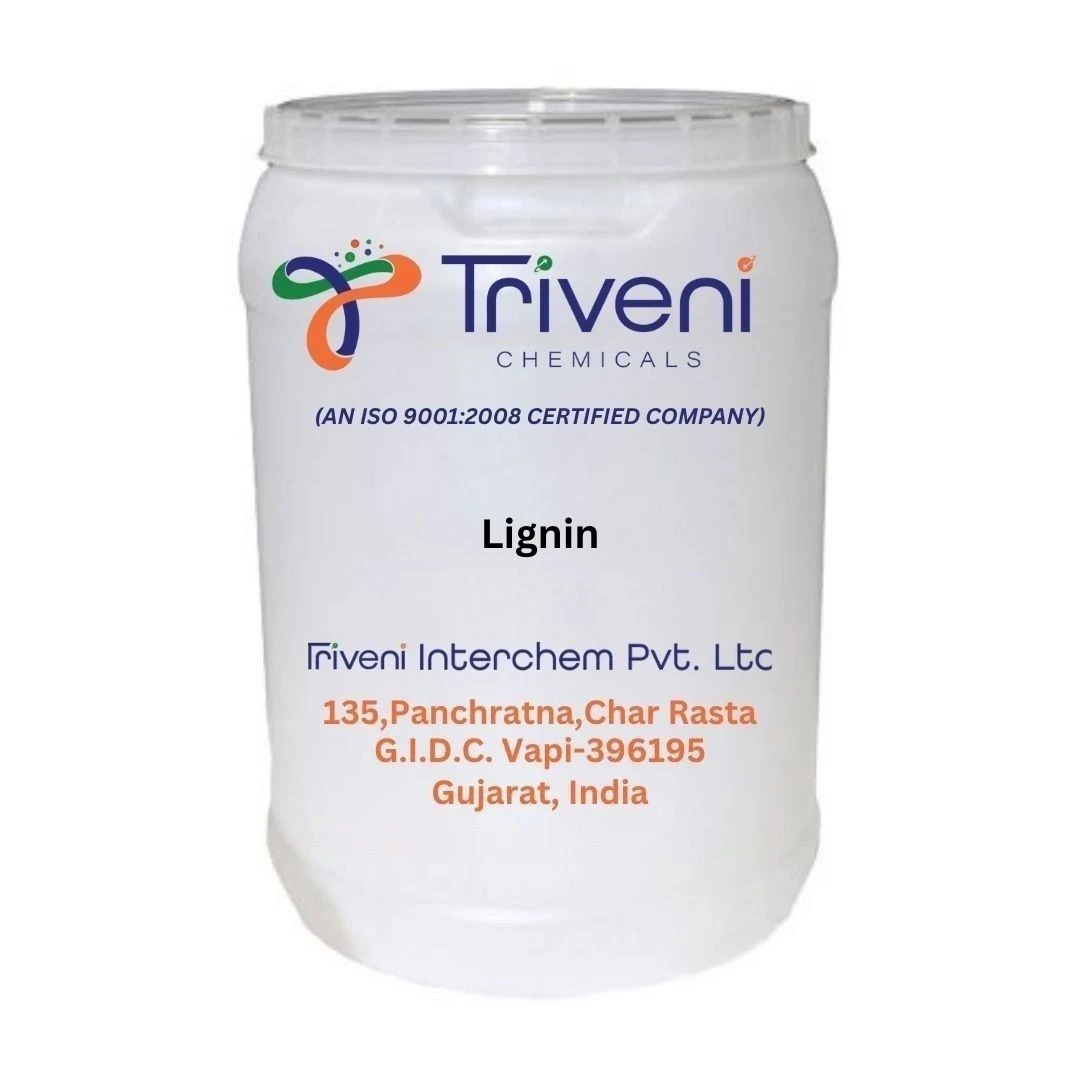
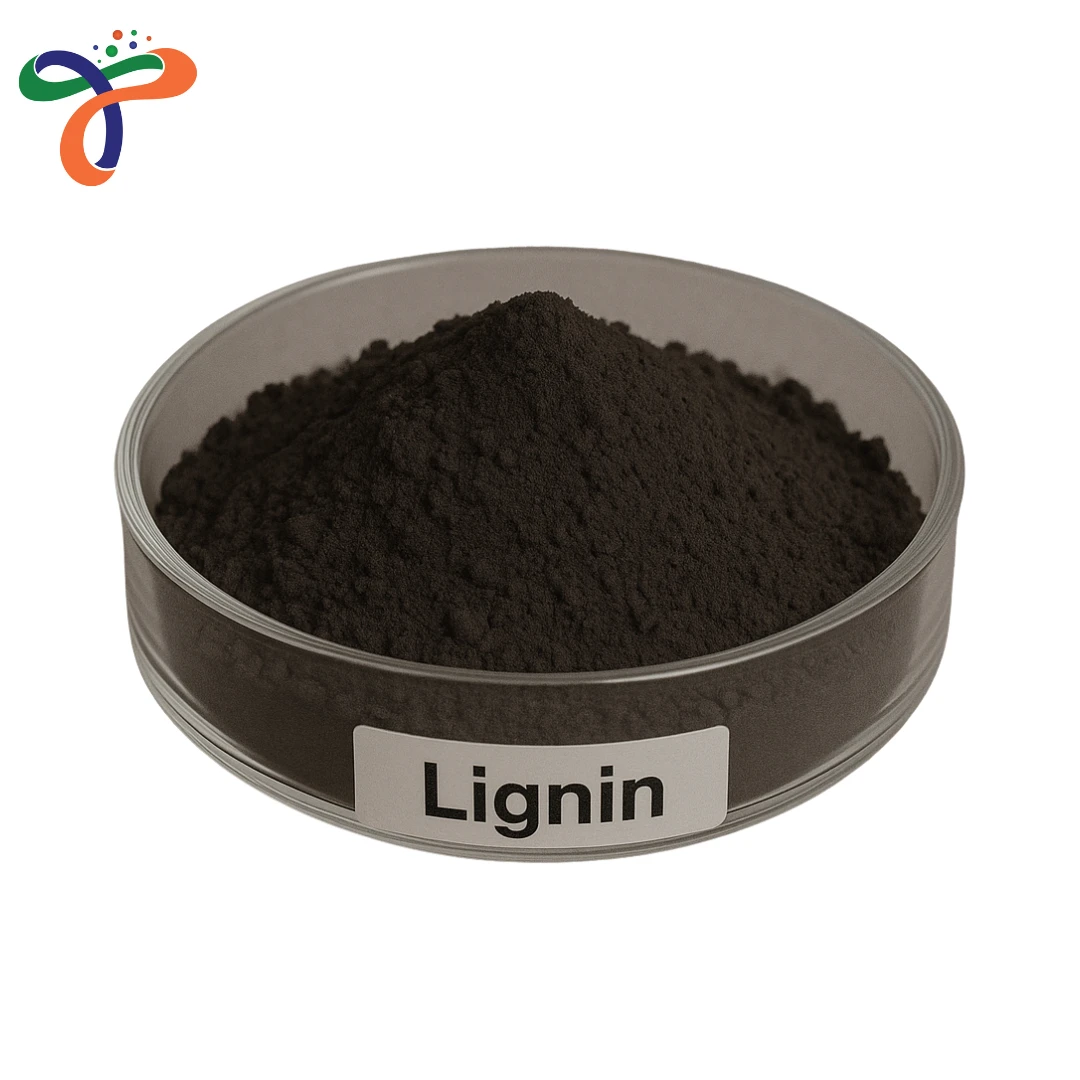
Lignin | 94113-57-2
Cas No :
94113-57-2
Form :
Solid
Molecular Weight :
10000 G/mol
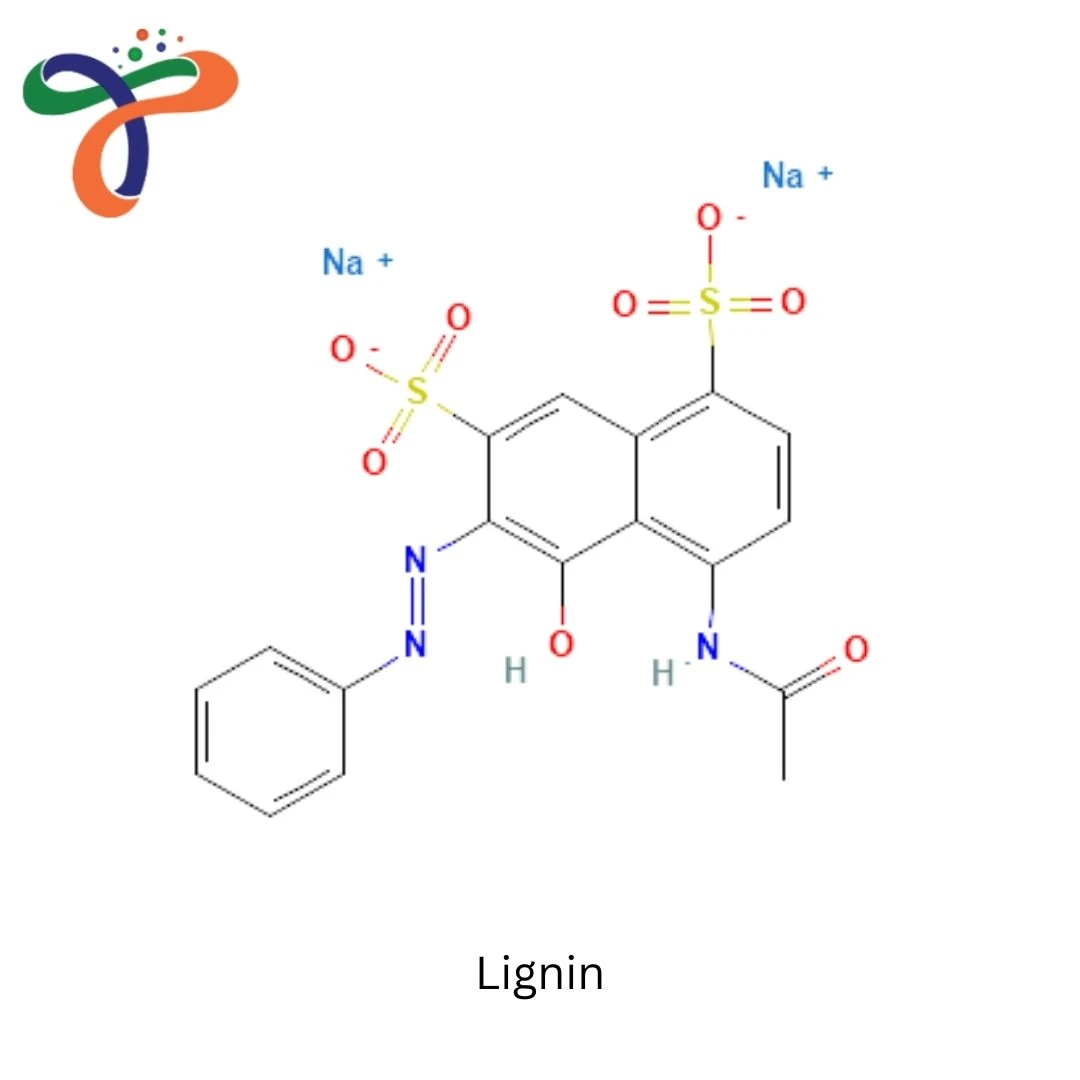
Molecular Formula :
C18H13N3NA2O8S2
Boiling Point :
350 °c
Melting Point :
90 °c
Flash Point :
320 °c
Solubility :
Insoluble in water; soluble in alkaline solutions; insoluble in most organic solvents
Description :
Lignin Supplier and Exporter for the USA
Chemical Bull is a Lignin supplier, distributor, wholesaler, and exporter serving the USA, supporting commercial sourcing for resin manufacturers, adhesive formulators, polymer compounders, asphalt businesses, and specialty material producers.
Lignin is a plant-derived aromatic polymer used in selected binders, phenolic resins, polymer materials, and asphalt formulations. USA buyers should evaluate lignin type, source, lignin content, moisture, ash, sulfur content, particle size, processing compatibility, COA, and SDS.
Quick Answer
Lignin is a renewable aromatic polymer used in selected phenolic resins, wood adhesives, polymer composites, asphalt binders, and advanced carbon-material development. USA buyers should specify lignin type, moisture, ash, sulfur content, particle size, application, quantity, packaging, and delivery destination when requesting bulk availability and pricing.
What Is Lignin?
Lignin is a complex natural polymer found in plant cell walls, where it contributes structural strength. Commercial lignin can be recovered from wood or other plant biomass through different processing routes.
Technical lignin types include kraft, soda, organosolv, and hydrolysis lignin. Their composition, solubility, reactivity, and impurity profiles can differ significantly.
Lignin does not have a single fixed molecular formula or molecular weight. Buyers should identify the exact grade and processing route before commercial approval.
Lignin and lignosulfonates are related materials with different properties. A lignosulfonate specification should not be assumed suitable for a kraft or organosolv lignin application.
Product Information
Product Name: Lignin
Chemical Type: Plant-Derived Aromatic Polymer
CAS Reference: 9005-53-2; confirm the supplied grade’s SDS
Primary Functions: Resin raw material, binder component, polymer modifier, and carbon precursor
Lignin Applications for Industrial Manufacturing
Phenolic Resin Manufacturing
Suitable lignin grades are used for partial phenol replacement in selected phenolic resin systems. Resin manufacturers should evaluate reactivity, viscosity, cure behavior, and finished-resin performance.
Wood Adhesives and Panel Binders
Lignin is relevant to selected adhesive and binder systems for plywood, oriented strand board, and other wood products. Suitability depends on formulation chemistry and the required bonding performance.
Polymer Compounds and Composites
Lignin can be incorporated into selected polymer blends and composite materials. Compounders should assess dispersion, compatibility, processing behavior, color, and mechanical properties.
Asphalt Binder Modification
Suitable lignin grades are used in selected asphalt formulations as a partial replacement for petroleum-based binder. Manufacturers should qualify rheology, aging behavior, and pavement performance.
Advanced Carbon-Material Development
Lignin is being developed as a precursor for carbon fibers and energy-storage carbon materials. These applications require specialized processing and qualification; raw lignin is not a finished battery material.
Why Manufacturers Source Lignin
Renewable Raw Material
Lignin provides a biomass-derived aromatic material for compatible industrial formulations.
Useful in Resin and Binder Systems
Appropriate grades support selected phenolic resin, adhesive, and asphalt applications.
Grade Selection for Processing
Source, extraction method, moisture, ash, sulfur content, and particle size help determine application suitability.
Bulk and Repeat Procurement
Manufacturers can define an approved lignin grade, recurring quantities, packaging preferences, and delivery schedules to support consistent purchasing.
Lignin Supplier for USA Manufacturers
When comparing a Lignin supplier for the USA, procurement teams should review the lignin type, biomass source, extraction route, solids or moisture content, ash, sulfur, residual carbohydrates, particle size, and batch consistency.
Chemical Bull supports sourcing enquiries from resin producers, adhesive manufacturers, polymer processors, asphalt formulators, distributors, and industrial bulk buyers across the United States.
Confirm available grades, minimum order quantity, packaging options, technical documentation, and delivery lead time during quotation. State whether your process requires powder, granules, or another supplied form.
Related Resin and Polymer Chemicals
Manufacturers sourcing materials for resin and binder applications may also explore Phenol, Novolac Phenolic Resin, and Phenol Formaldehyde Resin Liquid.
These materials serve different formulation roles. Selection should follow the intended chemistry, processing conditions, and finished-product specifications.
Lignin SDS and Documentation
Handling, dust control, storage, and transportation should follow the latest supplier-issued Lignin SDS for the supplied grade.
Request the available COA, SDS, TDS, and product specifications with your commercial enquiry. Confirm grade identity, moisture, ash, sulfur content, powder characteristics, and storage requirements before purchasing.
CAS references can vary by lignin type. Alkali lignin, for example, is commonly listed under CAS 8068-05-1. Use the offered product’s documentation to confirm identity.
Buy Lignin in Bulk for the USA
For bulk Lignin pricing, share your required lignin type, application, quality specifications, quantity, recurring demand, physical form, and packaging preference. Include your USA delivery city and ZIP code.
Frequently Asked Questions
-
What is Lignin?
Lignin is a complex plant-derived aromatic polymer used as a raw material in selected resins, binders, polymer composites, and specialty materials.
-
What is Lignin used for?
Lignin is used in selected phenolic resins, wood adhesives, polymer compounds, and asphalt binders. Specialized grades are also evaluated for advanced carbon-material development.
-
What is the CAS number of Lignin?
Lignin is commonly referenced under CAS 9005-53-2, while alkali lignin is commonly listed under CAS 8068-05-1. Confirm the exact identity using the supplied grade’s SDS.
-
Is Lignin the same as Sodium Lignosulfonate?
No. Sodium Lignosulfonate is a sulfonated lignin derivative with different solubility and formulation properties. It should not be substituted for another lignin grade without technical evaluation.
-
How can I request bulk Lignin pricing for the USA?
Send Chemical Bull your required lignin type, specifications, application, quantity, packaging preference, and USA delivery ZIP code to request availability and pricing.