Calcium Carbonate | 471-34-1
Cas No :
471-34-1
Synonyms :
Form :
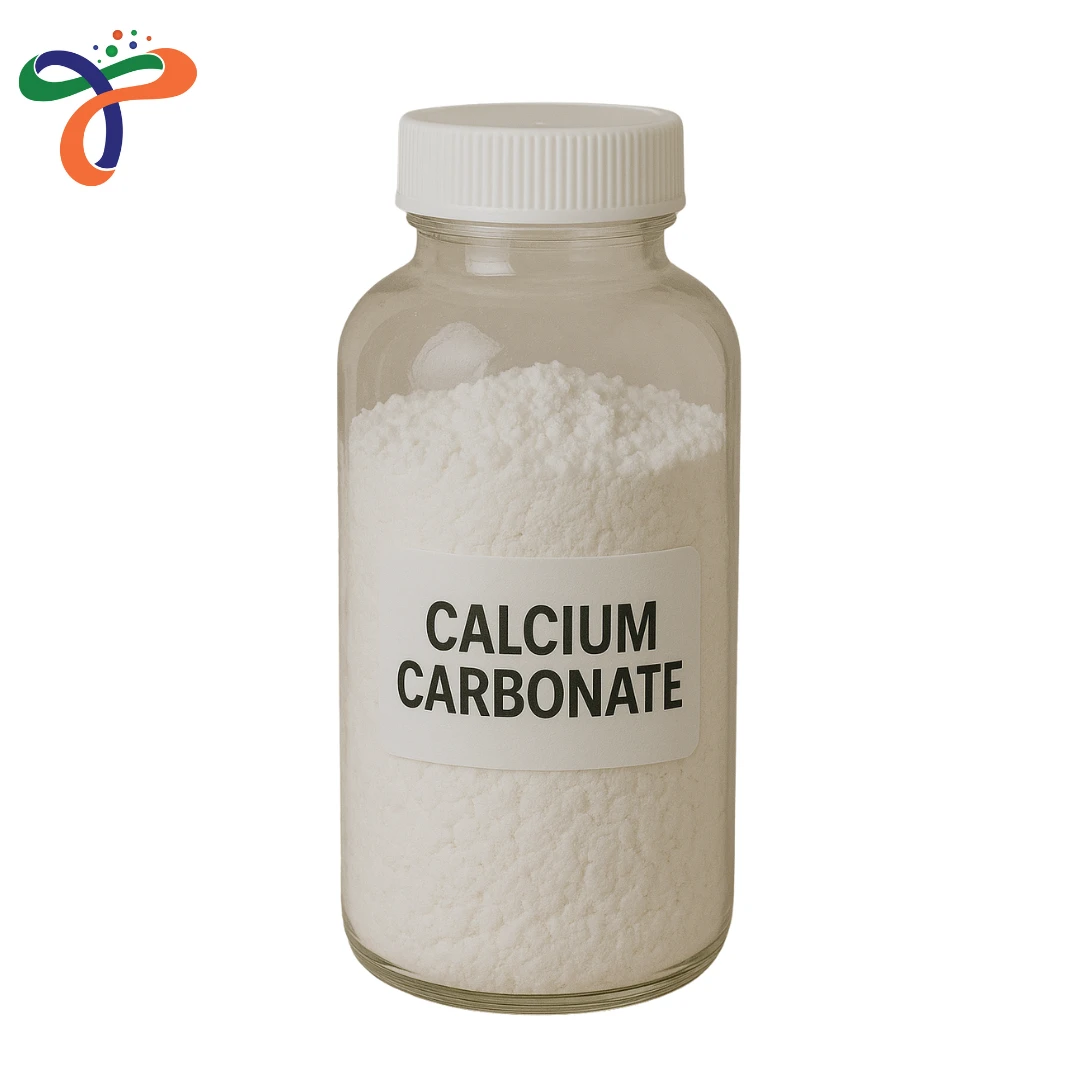
Powder
Molecular Weight :
100.09 G/mol
Molecular Formula :
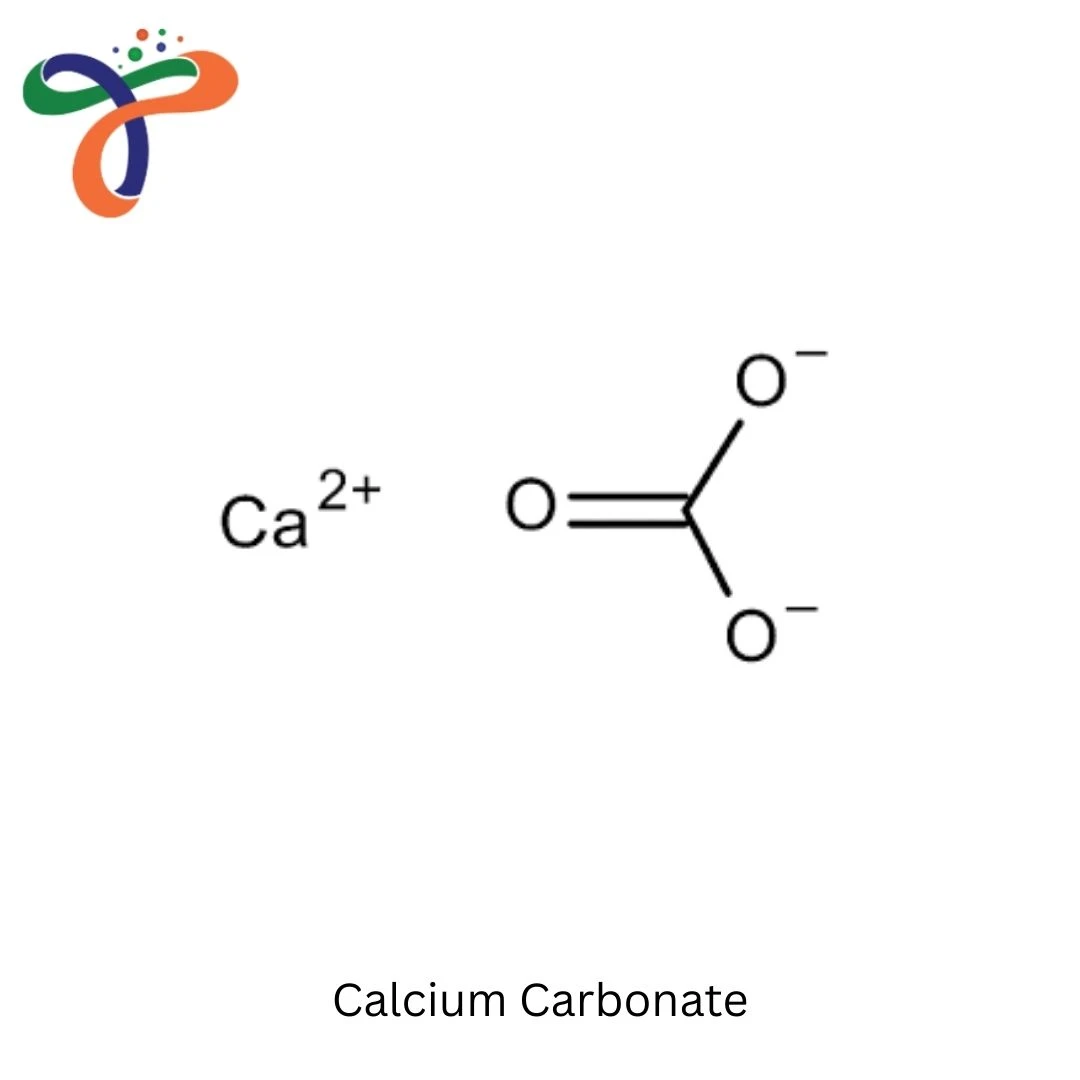
CACO3
Boiling Point :
900 °c
Melting Point :
1339 °c
Flash Point :
1000 °c
Solubility :
0.0013 G/100 Ml At 25 °c
Description :
Calcium Carbonate Supplier and Exporter for the USA
Chemical Bull is a Calcium Carbonate supplier, distributor, wholesaler, and exporter for the USA, supporting commercial requirements for plastics, masterbatches, paints, coatings, paper, adhesives, sealants, rubber, and construction materials.
Calcium Carbonate, with CAS number 471-34-1 and chemical formula CaCO3, is widely used as a mineral filler and functional additive. USA manufacturers should evaluate particle size, purity, brightness, moisture, surface treatment, dispersion, COA, and SDS before purchasing.
Quick Answer
Calcium Carbonate is used as a filler and functional mineral in plastics, paints, paper, adhesives, sealants, rubber, and construction materials. Commercial grades include ground and precipitated calcium carbonate, with coated and uncoated options. Buyers should specify particle size, moisture, brightness, surface treatment, and application requirements.
What Is Calcium Carbonate?
Calcium Carbonate is an inorganic calcium salt commonly supplied as a white powder. Its industrial performance depends on particle characteristics, mineral purity, and surface chemistry.
Ground Calcium Carbonate (GCC) is produced by processing naturally occurring mineral sources. Precipitated Calcium Carbonate (PCC) is manufactured through chemical precipitation, allowing control over particle characteristics.
Coated and uncoated grades serve different formulation requirements. Buyers should confirm the exact product specification and supplier documentation because the chemical name or CAS number alone does not define a performance grade.
Calcium Carbonate Product Information
Product Name: Calcium Carbonate
CAS Number: 471-34-1
Chemical Formula: CaCO3
Primary Function: Mineral filler, extender, and functional additive
Specify GCC or PCC, coated or uncoated material, and the required particle-size distribution. Grade availability should be confirmed with the supplied specification.
Calcium Carbonate Applications for Industrial Manufacturing
Plastics and Filler Masterbatches
Calcium Carbonate is used in plastic compounds and filler masterbatches, including selected PVC, polyethylene, and polypropylene systems.
Compounders should assess particle size, surface treatment, moisture, dispersion, and the required balance of processing and finished-product properties.
Paints and Coatings
Calcium Carbonate is used as a mineral extender and functional filler in paints and coatings.
Formulators should evaluate brightness, particle distribution, binder demand, application behavior, and finished-film performance.
Paper and Paperboard Manufacturing
GCC and PCC are used in selected paper filling and coating applications.
Paper manufacturers should match the mineral grade to their requirements for optical properties, surface quality, retention, and process compatibility.
Adhesives and Sealants
Calcium Carbonate is used in adhesive and sealant formulations as a functional mineral filler.
Grade selection should account for particle size, moisture, surface treatment, viscosity, dispersion, and compatibility with the binder system.
Rubber Compounding
Calcium Carbonate is used as a filler in selected rubber compounds.
Rubber manufacturers should evaluate the grade against their processing requirements and specified finished-compound properties.
Construction Materials
Calcium Carbonate is used in selected dry mortars, construction compounds, flooring, and other building materials.
Manufacturers should qualify particle grading, moisture, purity, and consistency against the intended formulation.
Why Manufacturers Source Calcium Carbonate
Versatile Mineral Filler
Calcium Carbonate serves several industrial formulation needs, making application-specific grade selection important.
Particle-Size Options
Defined particle-size distributions help manufacturers match the material to processing and finished-product requirements.
Surface-Treated Grades
Coated grades can provide different compatibility and dispersion characteristics from uncoated material. The coating specification should be confirmed before approval.
Bulk and Repeat Procurement
Approved specifications, consistent batch documentation, suitable packaging, and delivery planning support recurring manufacturing demand.
Calcium Carbonate Supplier for USA Manufacturers
When comparing a Calcium Carbonate supplier for the USA, procurement teams should review calcium carbonate content, particle-size distribution, brightness, moisture, relevant impurities, bulk density, surface treatment, and batch consistency.
Particle size should be specified through an agreed test method and distribution limits where required. A mesh designation alone may not adequately describe a fine filler grade.
Chemical Bull supports commercial sourcing enquiries from USA plastics processors, masterbatch manufacturers, paint companies, paper producers, adhesive and sealant formulators, rubber compounders, construction material businesses, and distributors.
Related Mineral Fillers and Formulation Chemicals
Manufacturers sourcing Calcium Carbonate may also explore Talc, Titanium Dioxide, and Barium Sulfate.
These materials have different filler, pigment, and performance functions. Selection should follow the approved formulation and finished-product specification.
Calcium Carbonate SDS and Documentation
Calcium Carbonate should be handled according to the latest supplier-issued Calcium Carbonate SDS, including dust-control, workplace exposure, and storage instructions.
Chemical Bull can provide available COA, SDS, TDS, and product specifications with commercial supply enquiries.
Food, pharmaceutical, and other specialized applications require separately qualified grades. Industrial filler specifications should not be assumed suitable for these uses.
Buy Calcium Carbonate in Bulk for the USA
Chemical Bull supports bulk Calcium Carbonate sourcing enquiries for USA manufacturers, formulators, mineral distributors, and industrial procurement teams.
Commercial pricing depends on GCC or PCC selection, particle size, surface treatment, quality requirements, quantity, packaging, shipment terms, and delivery destination. Buyers can specify bag or bulk-bag preferences for availability confirmation.
Complete enquiries should include the required grade, particle-size specification, coating requirements, application, order quantity, repeat demand, packaging preference, and USA delivery ZIP code.
Frequently Asked Questions
-
What is Calcium Carbonate?
Calcium Carbonate is an inorganic compound with the formula CaCO3. It is widely used as a mineral filler, extender, and functional additive in industrial manufacturing.
-
What is the CAS number of Calcium Carbonate?
The chemical CAS number is 471-34-1. Buyers should also confirm the identity and grade stated in the supplied product documentation.
-
What is the difference between GCC and PCC?
GCC is produced by processing natural mineral sources. PCC is produced through chemical precipitation. Their particle characteristics and application performance can differ.
-
Why do buyers specify coated Calcium Carbonate?
Surface treatment can change compatibility and dispersion in selected formulations. Buyers should confirm the coating type and qualify the grade for their intended process.
-
What should buyers check before purchasing Calcium Carbonate?
Buyers should review purity, particle-size distribution, brightness, moisture, surface treatment, relevant impurities, COA, SDS, and batch consistency.
-
Can Chemical Bull support bulk Calcium Carbonate sourcing for the USA?
Chemical Bull supports bulk and recurring sourcing enquiries for USA industrial buyers, subject to grade matching, availability, and commercial confirmation.