Boric Acid | 10043-35-3
Cas No :
10043-35-3
Form :
Solid
Molecular Weight :
61.83 G/mol
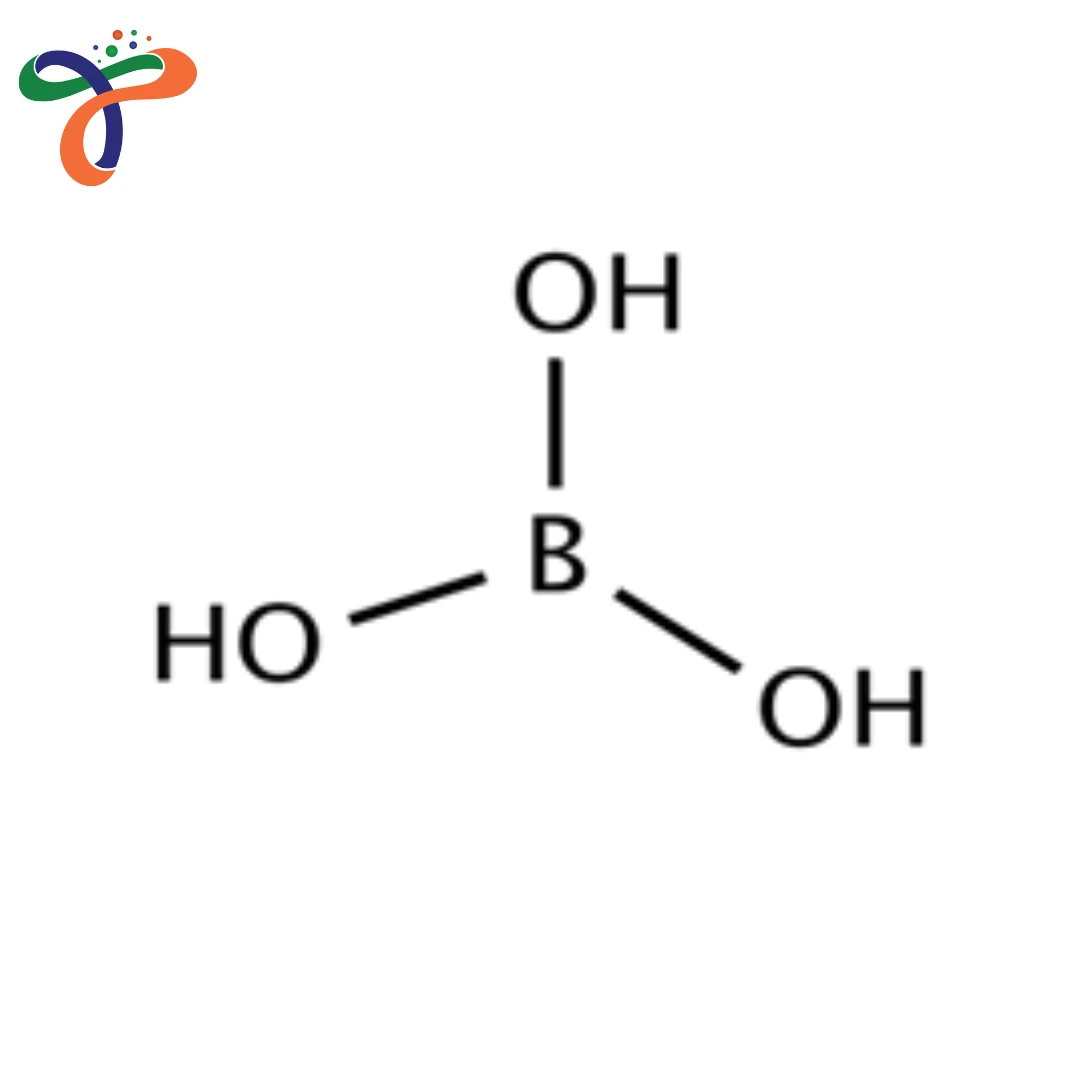
Molecular Formula :
H₃BO₃
Boiling Point :
400 °c
Melting Point :
169.7 °c
Flash Point :
350 °c
Solubility :
Soluble In Water; Approximately 5 G Per 100 G Water At 20 °c
Description :
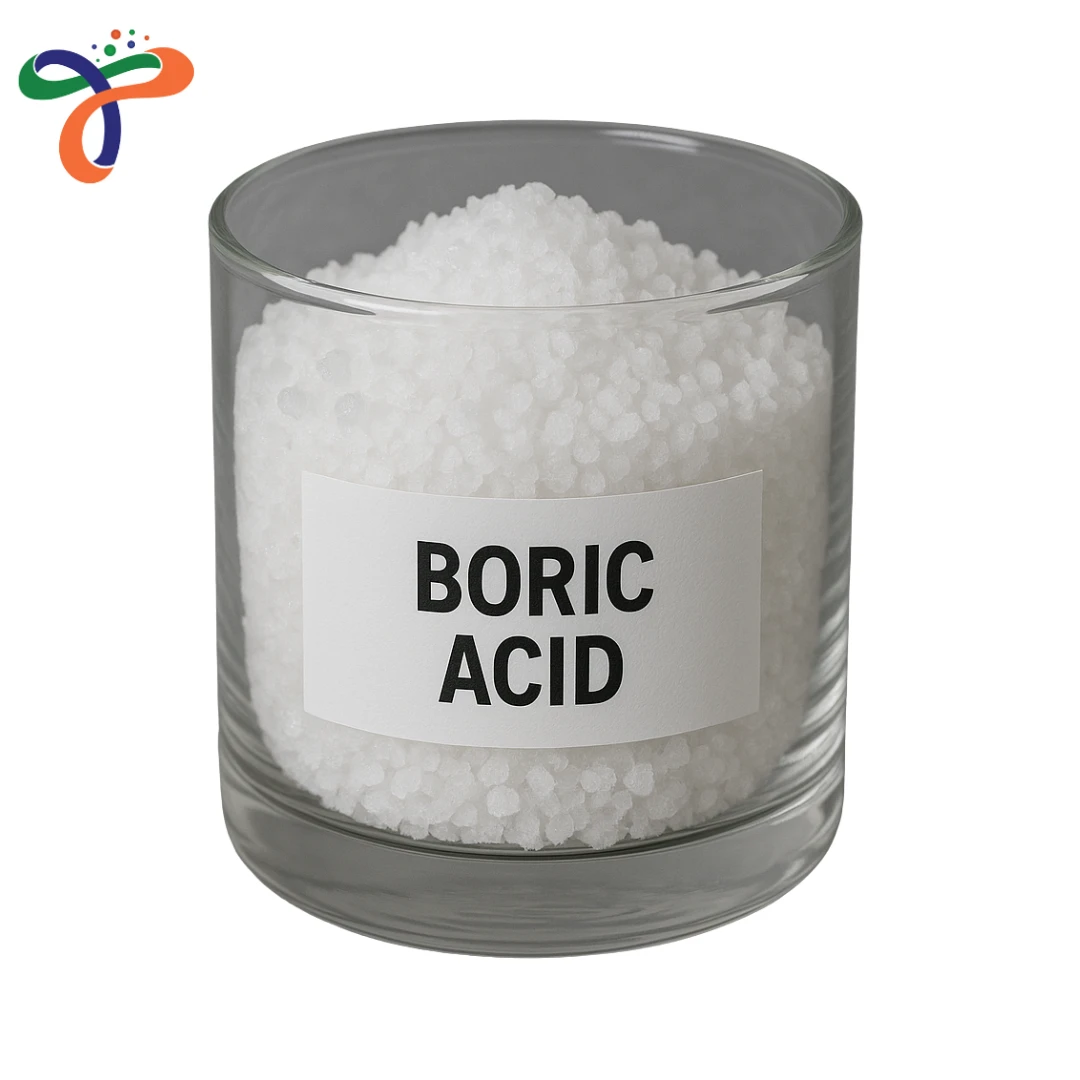
Boric Acid Supplier and Exporter for the USA
Chemical Bull is a trusted Boric Acid supplier, distributor, wholesaler, and exporter for the USA, supplying commercial requirements for glass, ceramics, fiberglass, flame-retardant systems, detergents, metal treatment, wood-treatment formulations, and specialty industrial applications.
Boric Acid is an inorganic boron compound used mainly as a boron source, formulation additive, flux component, buffering ingredient, and industrial intermediate. USA manufacturers commonly evaluate Boric Acid based on grade, assay, boron content, particle size, moisture, insoluble matter, impurity profile, packaging, COA, SDS, and batch consistency.
Quick Answer
Boric Acid is mainly used in borosilicate glass, fiberglass, ceramics, enamels, flame-retardant formulations, detergents, metal processing, wood treatment, and specialty chemical manufacturing.
Submit a bulk enquiry with your required Boric Acid grade, assay, quantity, application, packaging, and USA delivery destination to receive availability and commercial pricing.
What Is Boric Acid?
Boric Acid is an inorganic boron-containing compound used across glass, ceramic, chemical, metallurgical, cleaning, and specialty formulation industries.
It is valued for its boron content, mild acidic character, thermal behavior, and ability to function as a raw material or process additive in compatible industrial systems.
Boric Acid is commonly sourced by glass manufacturers, fiberglass producers, ceramic companies, enamel manufacturers, detergent formulators, metal-treatment businesses, wood-treatment companies, specialty chemical producers, distributors, and industrial procurement teams.
Boric Acid Product Information
Product Name: Boric Acid
Chemical Type: Inorganic Boron Compound
Primary Functions: Boron source, flux component, formulation additive, buffering ingredient, flame-retardant component, and specialty chemical intermediate
Main Industries: Glass, fiberglass, ceramics, enamels, flame-retardant systems, detergents, metallurgy, wood treatment, and specialty chemicals
Commercial specifications can vary according to grade, assay, boron content, particle size, moisture, insoluble matter, and impurity profile. Buyers should review the supplied COA, SDS, and technical specification before commercial approval.
Boric Acid Applications for Industrial Manufacturing
Borosilicate Glass Manufacturing
Boric Acid is widely used as a boron source in borosilicate glass production.
Its incorporation can help support thermal resistance, chemical durability, and controlled glass properties in suitable formulations.
Fiberglass Production
Boric Acid is used in selected fiberglass and glass-fiber manufacturing systems.
Manufacturers use boron-containing raw materials to help tailor melting behavior, fiber-forming characteristics, and final glass performance.
Ceramics and Enamels
Boric Acid is used in selected ceramic, glaze, frit, and enamel formulations.
It can act as a boron source and flux-related component, helping modify melting behavior, surface finish, and fired-product characteristics.
Flame-Retardant Formulations
Boric Acid may be used in selected flame-retardant and fire-resistant formulation systems.
It is often evaluated in combination with other boron compounds or compatible additives where flame resistance and smoke-control performance are required.
Detergents and Cleaning Formulations
Boric Acid may be used in selected detergent and industrial cleaning formulations.
Its role can include pH control, buffering, and formulation support depending on the chemistry and intended cleaning application.
Metal Treatment and Metallurgy
Boric Acid is used in selected metal-treatment, electrochemical, soldering, flux, and metallurgical applications.
The required grade should be matched to metal type, process chemistry, impurity limits, and downstream performance requirements.
Wood-Treatment Formulations
Boric Acid may be used in selected wood-treatment and preservation formulations, often as part of boron-based systems.
Buyers should confirm the appropriate product grade and applicable regulatory requirements for the intended wood-treatment application.
Specialty Chemical Manufacturing
Boric Acid may also be used as a raw material or intermediate in selected boron compounds, specialty chemicals, process formulations, and industrial applications.
The required specification should be matched to assay, boron content, particle size, moisture, impurity profile, and downstream processing requirements.
Why Manufacturers Source Boric Acid
Useful Industrial Boron Source
Boric Acid provides boron for glass, fiberglass, ceramics, enamels, specialty chemicals, and other industrial systems.
Relevant to High-Performance Glass
It is widely associated with borosilicate glass and fiberglass manufacturing where controlled boron addition is required.
Useful in Ceramic and Flux Systems
Boric Acid can contribute to melting, fluxing, glaze, frit, and enamel behavior in suitable formulations.
Broad Industrial Applications
The product serves manufacturers across glass, ceramics, detergents, metal treatment, flame-retardant systems, wood treatment, and specialty chemicals.
Suitable for Bulk Procurement
Boric Acid can be sourced in commercial and recurring quantities for manufacturers, formulators, processors, distributors, and industrial procurement teams.
Boric Acid Supplier for USA Manufacturers
When comparing a Boric Acid supplier for the USA, procurement teams should review grade, assay, boron content, particle size, moisture, insoluble matter, impurity profile, batch consistency, COA, SDS availability, packaging, lead time, and recurring supply capability.
Chemical Bull supports commercial requirements for glass manufacturers, fiberglass producers, ceramic companies, enamel manufacturers, detergent formulators, metal-processing businesses, wood-treatment companies, specialty chemical producers, distributors, and procurement teams across the United States.
Related Industrial and Mineral Chemicals
Manufacturers sourcing Boric Acid for glass, ceramic, flame-retardant, and industrial applications may also explore Zinc Borate, Zinc Borate Anhydrous, Aluminium Trihydrate, and Calcined Alumina.
These related materials are commonly used across glass, ceramics, flame-retardant systems, polymers, coatings, refractories, and specialty industrial formulations.
Boric Acid SDS and Documentation
USA buyers should review the latest supplier-issued Boric Acid SDS for the specific grade before handling, storage, transportation, processing, or commercial use.
Chemical Bull can provide available COA, SDS, product specifications, and technical documentation with commercial supply enquiries.
Buyers should confirm grade, assay, boron content, particle size, moisture, impurity profile, storage conditions, and application-specific requirements before commercial approval.
Buy Boric Acid in Bulk for the USA
Chemical Bull supports bulk Boric Acid requirements for glass manufacturers, fiberglass producers, ceramic businesses, enamel manufacturers, detergent companies, metal processors, wood-treatment companies, specialty chemical producers, distributors, and industrial procurement teams.
Share your required Boric Acid grade, assay, application, quantity, packaging preference, documentation requirements, and USA delivery destination to receive availability and a customized quotation.
Frequently Asked Questions
-
What is Boric Acid?
Boric Acid is an inorganic boron compound used as a boron source, formulation additive, flux-related component, buffering ingredient, and industrial chemical raw material.
-
What is Boric Acid used for?
Boric Acid is mainly used in borosilicate glass, fiberglass, ceramics, enamels, flame-retardant formulations, detergents, metal processing, wood treatment, and specialty chemicals.
-
Why is Boric Acid used in glass manufacturing?
Boric Acid provides boron to suitable glass formulations and can help support thermal resistance, chemical durability, melting behavior, and other performance characteristics.
-
What should buyers check before purchasing Boric Acid?
Buyers should review grade, assay, boron content, particle size, moisture, insoluble matter, impurity profile, COA, SDS, packaging, and batch consistency.
-
Can Chemical Bull support bulk Boric Acid supply in the USA?
Yes. Chemical Bull supports commercial and recurring Boric Acid requirements for glass, fiberglass, ceramics, enamels, detergents, metal treatment, wood treatment, and specialty chemical manufacturers across the United States.