UV-A / UV-B Protectants Supplier USA
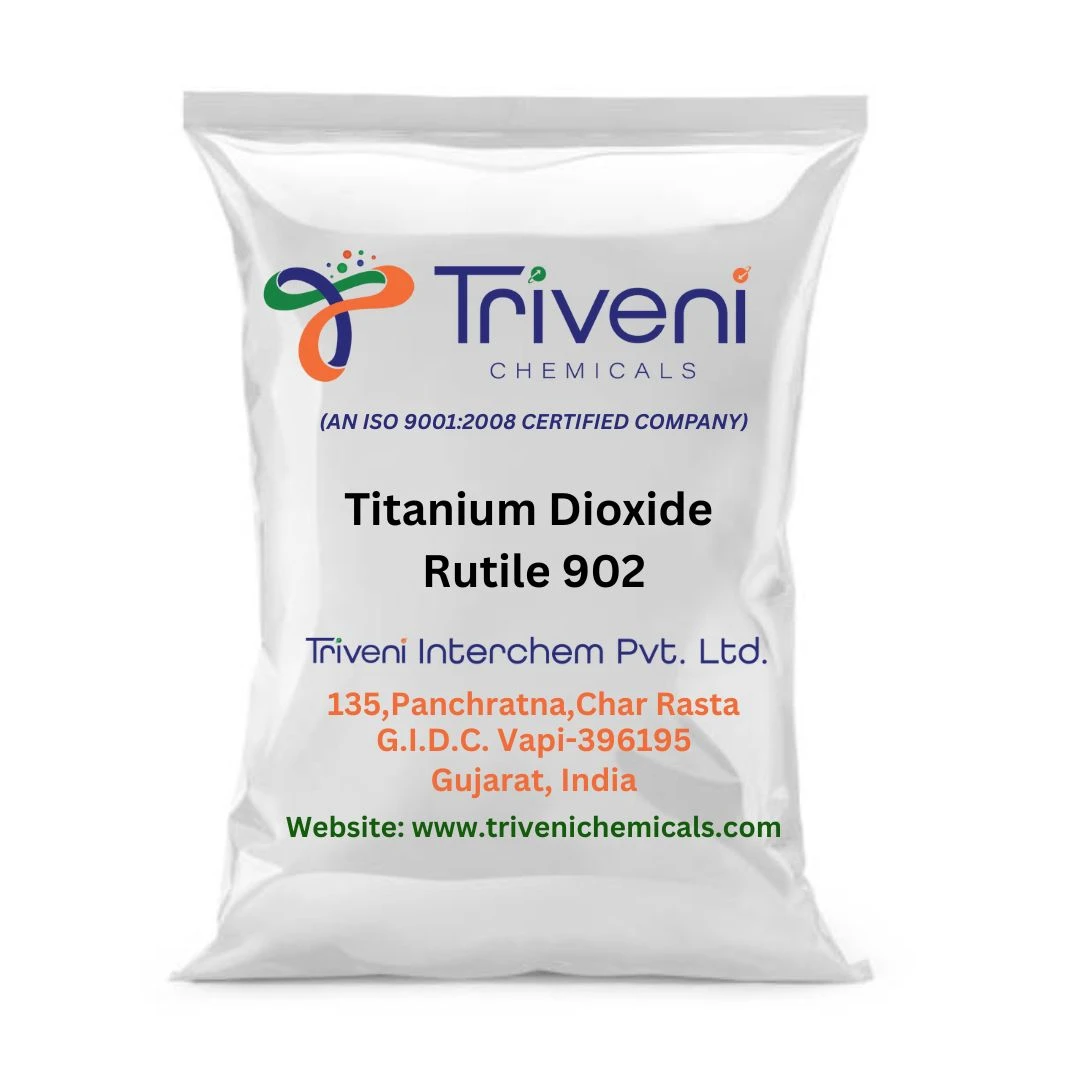
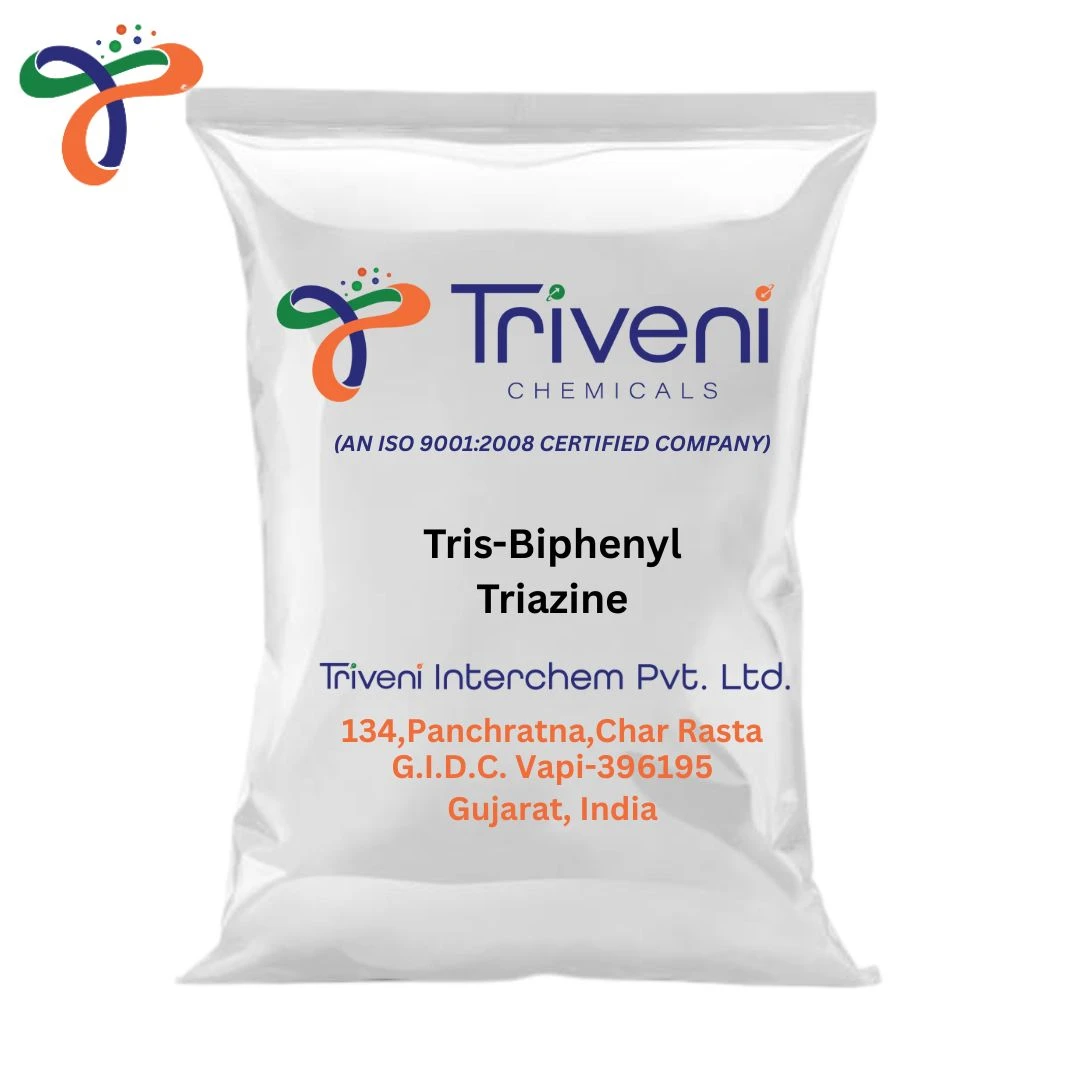
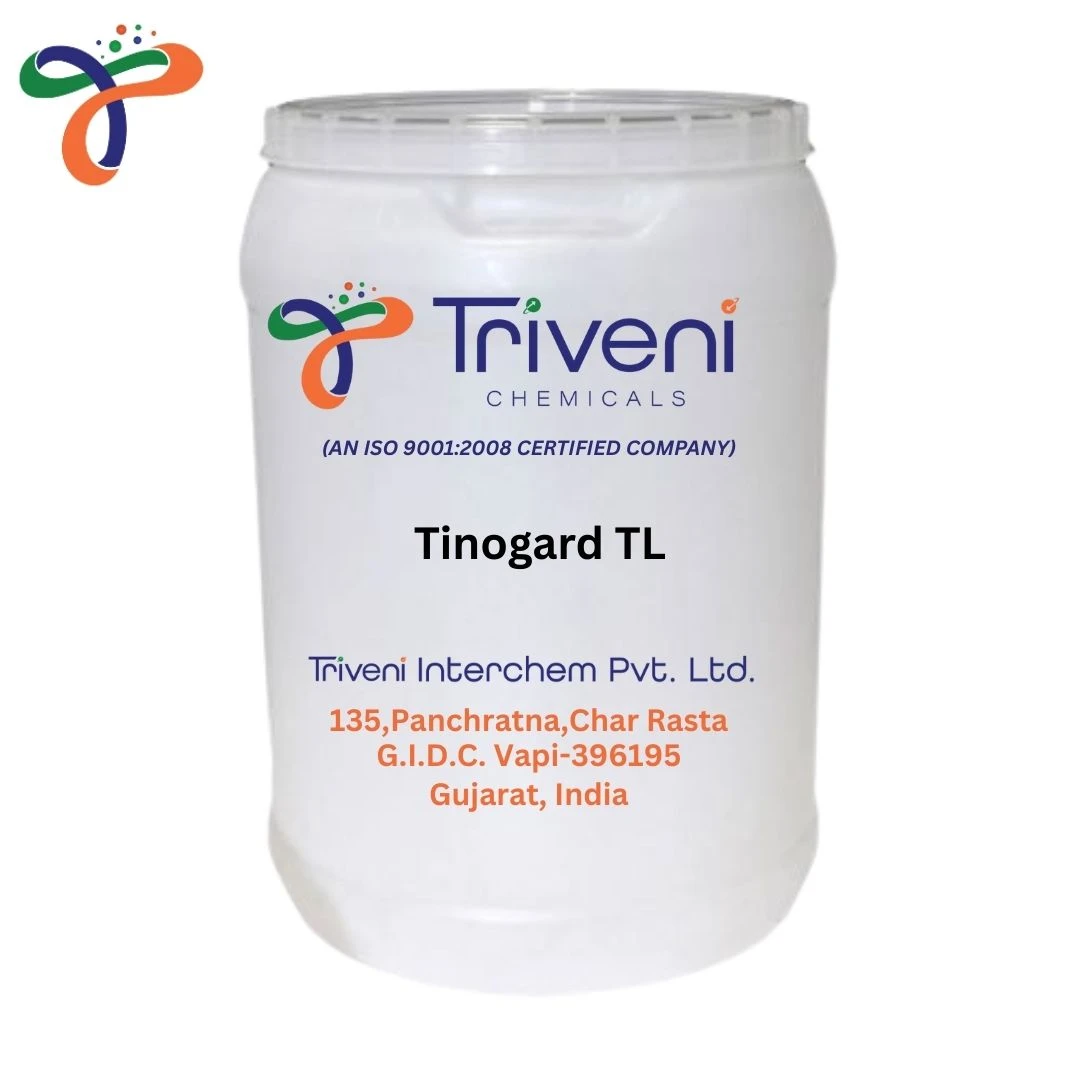
Chemical Bull supplies UV-A and UV-B protectant chemicals for the USA for use in sunscreen, skincare, cosmetic, and personal care formulations. These ingredients are selected to help support protection against different regions of ultraviolet radiation and are commonly used in facial sunscreens, body sunscreens, daily SPF products, tinted formulations, moisturizers, and sun-care cosmetics.
We support U.S. manufacturers, formulators, contract manufacturers, and distributors looking for reliable personal care chemicals, bulk supply, suitable packaging, product specifications, and documentation.
What Are UV-A and UV-B Protectants?
UV-A and UV-B protectants are ingredients used in sun-care formulations to help manage exposure to ultraviolet radiation.
UV-A radiation penetrates more deeply into the skin and is strongly associated with visible photoaging and long-term sun exposure effects. UV-B radiation is more closely associated with sunburn and direct damage to the outer layers of the skin.
Because the two wavelength ranges affect the skin differently, modern sunscreen formulations often use ingredient systems designed to provide broader protection rather than relying on a single active.
Why Broad-Spectrum Protection Matters
A sunscreen product may need to address both UV-A and UV-B exposure depending on its intended positioning and regulatory requirements.
Formulators therefore evaluate:
· Protection profile
· Ingredient compatibility
· Photostability
· Oil and water solubility
· Product texture
· Skin feel
· Finished-product stability
The exact ingredient system depends on the type of sunscreen, required performance, formulation format, and destination market.
UV-A Protectants in Personal Care
UV-A protectants are used in formulations designed to improve protection across the longer ultraviolet wavelength range.
They are commonly found in facial sunscreens, anti-photoaging skincare, daily-use moisturizers with sun protection, tinted sunscreens, and selected makeup products.
Formulators may combine multiple ingredients to achieve the required balance between performance, stability, sensory feel, and compatibility.
UV-B Protectants in Personal Care
UV-B protectants are widely used in sunscreen creams, lotions, sprays, sticks, and other sun-care formulations.
They are selected for their ability to contribute to protection against the wavelength range associated with sunburn and are often combined with UV-A protectants in broader sunscreen systems.
The final combination depends on concentration limits, compatibility, product design, and regulatory suitability.
Protectants for Different Sunscreen Formats
Facial Sunscreens
Facial formulations usually require a lighter texture, smooth application, and good compatibility with skincare actives and cosmetic ingredients.
Sunscreen Creams and Lotions
Creams and lotions require a stable formulation system that can hold the selected active ingredients while maintaining the desired viscosity and spreadability.
Tinted Sunscreens and SPF Makeup
Tinted sunscreens, foundations, BB creams, and CC creams can require compatibility between protectants, pigments, silicones, emulsifiers, and emollients.
Sunscreen Sticks
Stick formulations depend on careful balancing of actives with waxes, oils, emollients, and structuring ingredients to achieve good glide and stability.
Supporting Ingredients in UV Protection Formulations
UV-A and UV-B protectants are only one part of a complete sunscreen system.
Manufacturers may also use emulsifiers, emollients, dispersing agents, film-forming ingredients, thickeners, antioxidants, stabilizers, and preservatives to improve product stability, spreadability, texture, suspension, and sensory performance.
The performance of the finished product depends on how these ingredients work together within the complete formulation.
How Manufacturers Select UV Protectant Chemicals
Selection should be based on the complete formulation objective rather than only the ingredient name.
Manufacturers generally evaluate the required protection profile, solubility, photostability, pH compatibility, oil-phase requirements, processing conditions, product format, sensory properties, and regulatory suitability.
For B2B procurement, buyers should also review grade, purity, product specification, batch consistency, packaging, available documentation, and supply reliability.
Bulk UV-A / UV-B Protectants for USA Manufacturers
Chemical Bull supports bulk UV-A and UV-B protectant requirements for U.S. sunscreen manufacturers, cosmetic formulators, contract manufacturers, and distributors.
Our supply support can cover raw materials used in facial sunscreens, body sunscreens, daily SPF moisturizers, tinted formulations, sun-care creams, lotions, sticks, and other personal care products.
Buyers can share the required chemical or INCI name, grade, quantity, application, specification, packaging requirement, documentation needs, and destination ZIP code. Depending on the product, available documents may include COA, SDS, TDS, specifications, and packing information.
Reliable Supply for Sun-Care Manufacturing
Chemical Bull Pvt. Ltd. supports B2B buyers sourcing personal care and specialty raw materials for manufacturing requirements.
Our supply support includes bulk quantities, specification assistance, documentation support, packaging options, export coordination, and help with repeat or project-based sourcing.
Request UV-A / UV-B Protectants for USA Supply
Looking for UV-A or UV-B protectant chemicals for your U.S. manufacturing requirement?
U.S. buyers can contact our team for pricing, availability, specifications, packaging, and documentation with the required ingredient, grade, quantity, application, and destination ZIP code.
Frequently Asked Questions
What is the difference between UV-A and UV-B protectants?
UV-A protectants are selected to support protection across longer ultraviolet wavelengths, while UV-B protectants mainly contribute to protection against shorter wavelengths associated with sunburn.
Are UV-A and UV-B protectants used together?
Yes. Many sunscreen formulations combine different protectants to achieve broader coverage and the required finished-product performance.
Where are UV-A and UV-B protectants used?
They are commonly used in sunscreens, daily SPF moisturizers, facial sun-care products, tinted sunscreens, BB creams, CC creams, and other cosmetic formulations.
What should manufacturers check before buying UV protectants?
Important factors include grade, specification, solubility, compatibility, photostability, packaging, documentation, and regulatory suitability for the intended market.
Where can I buy UV-A / UV-B protectants in bulk for the USA?
Chemical Bull supplies bulk personal care and sun-care raw materials for U.S. manufacturers, formulators, distributors, and other B2B buyers.