Cleansing Agents Chemicals Supplier USA
Chemical Bull supplies cleansing agents chemicals for the USA for use in personal care, skincare, hair-care, home-care, and specialty formulation applications. Our range includes surfactants, amphoteric cleansing agents, anionic surfactants, nonionic surfactants, mild cleansing ingredients, and other functional raw materials used to remove oil, dirt, sebum, impurities, and residues from skin, hair, and surfaces.
We support U.S. manufacturers, formulators, contract manufacturers, distributors, and private-label companies looking for reliable personal care raw materials, bulk quantities, suitable packaging, and product documentation.
What Are Cleansing Agents?
Cleansing agents are functional ingredients designed to help remove unwanted substances such as oil, grease, dirt, sweat, sebum, makeup, and environmental residues. In personal care formulations, they are mainly used in products that need effective cleansing while maintaining acceptable skin or hair feel.
Many cleansing agents work by reducing surface tension and helping oil and water interact more effectively. This allows oily soils and impurities to become dispersed or suspended so they can be rinsed away.
They are commonly used in shampoos, facial cleansers, body washes, hand washes, shower gels, liquid soaps, micellar products, and other cleansing formulations.
How Do Cleansing Agents Work?
Most cleansing agents used in personal care are surfactants. A surfactant molecule generally contains a water-attracting part and an oil-attracting part. This structure helps the ingredient surround oils and impurities and disperse them in water during washing.
Depending on the surfactant type and formulation, cleansing agents can influence:
The final performance depends on the surfactant system, concentration, pH, product format, and combination of ingredients used.
Types of Cleansing Agents Used in Personal Care
Anionic Cleansing Agents
Anionic surfactants are widely used because of their strong cleansing and foaming properties. They are commonly found in shampoos, body washes, facial cleansers, and liquid cleansing products.
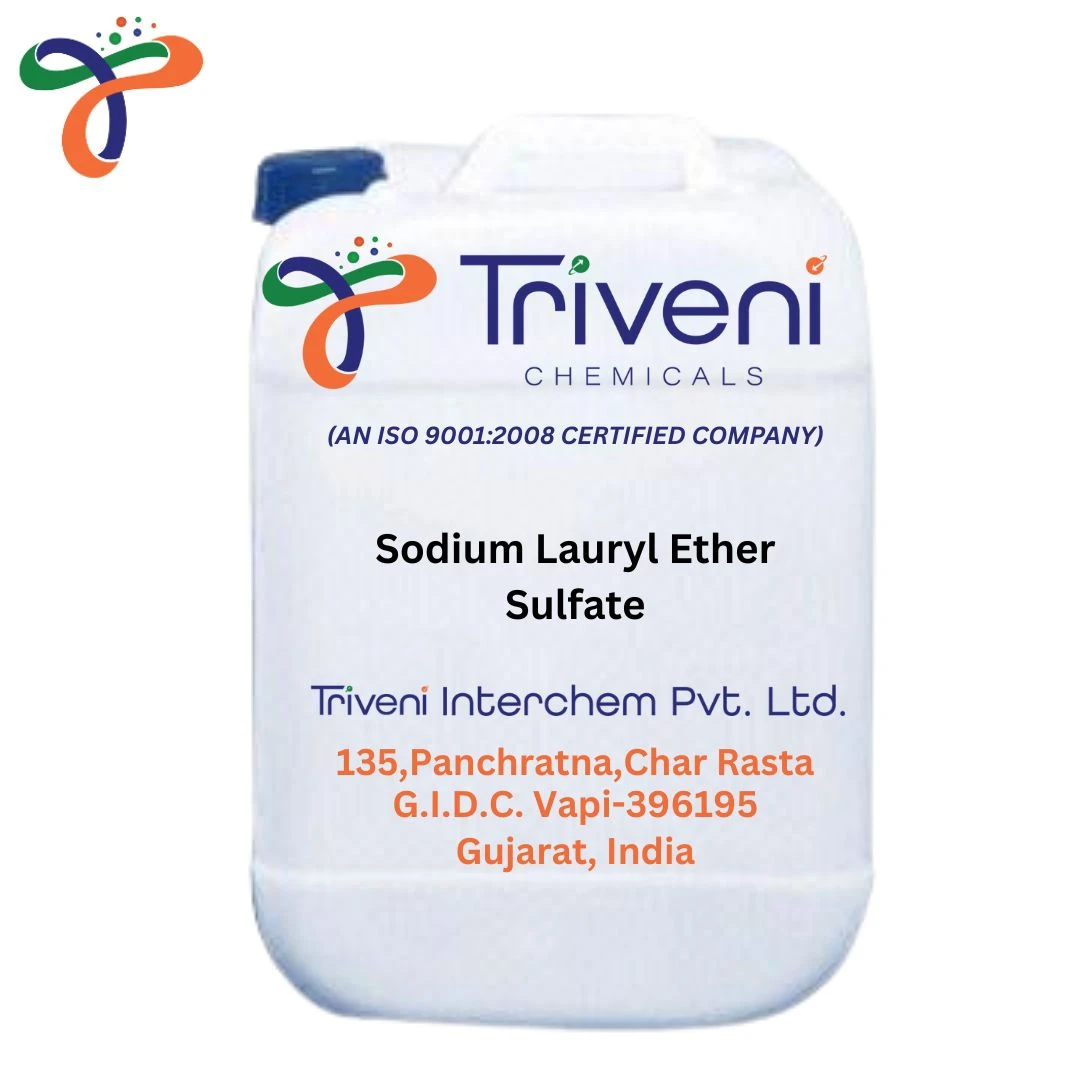
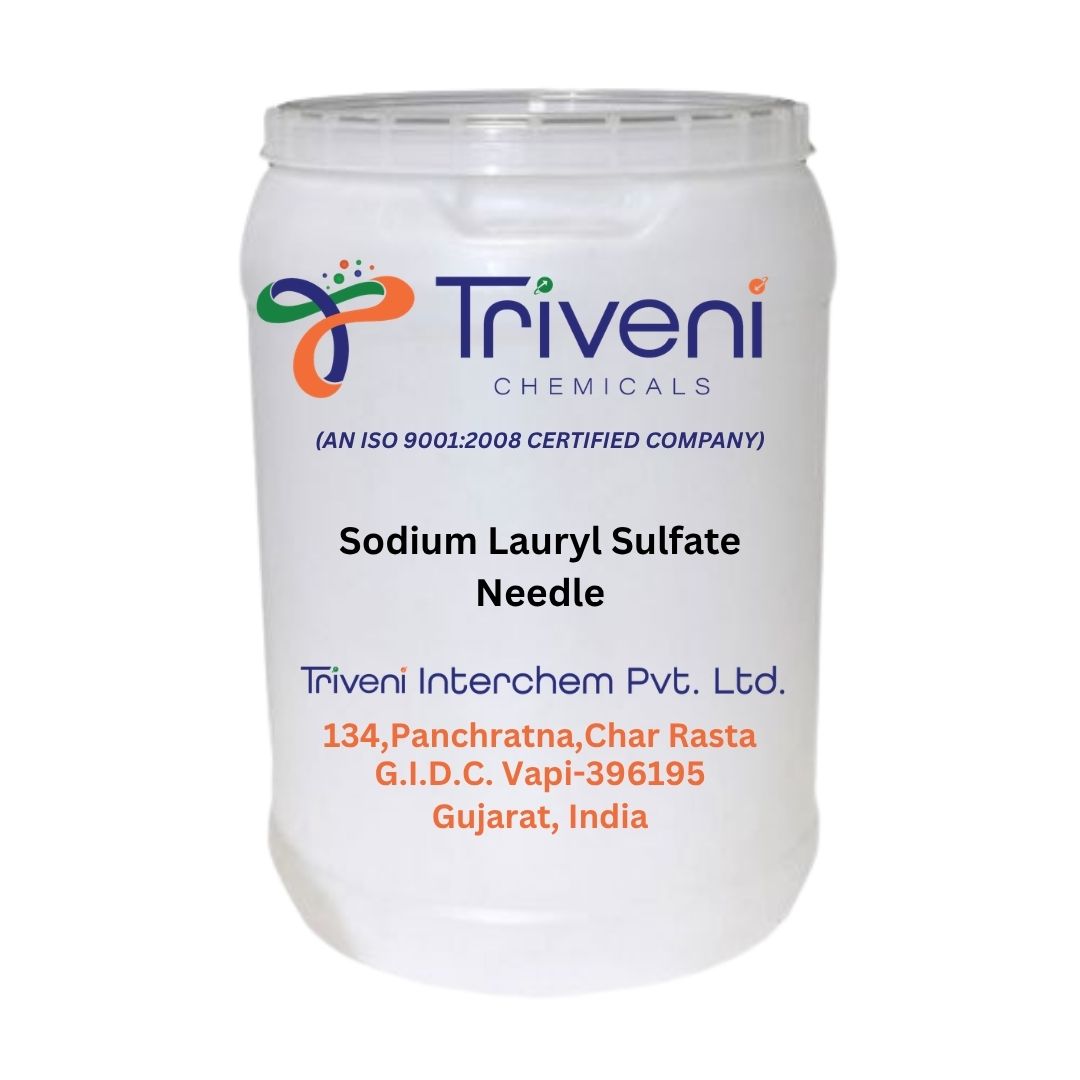
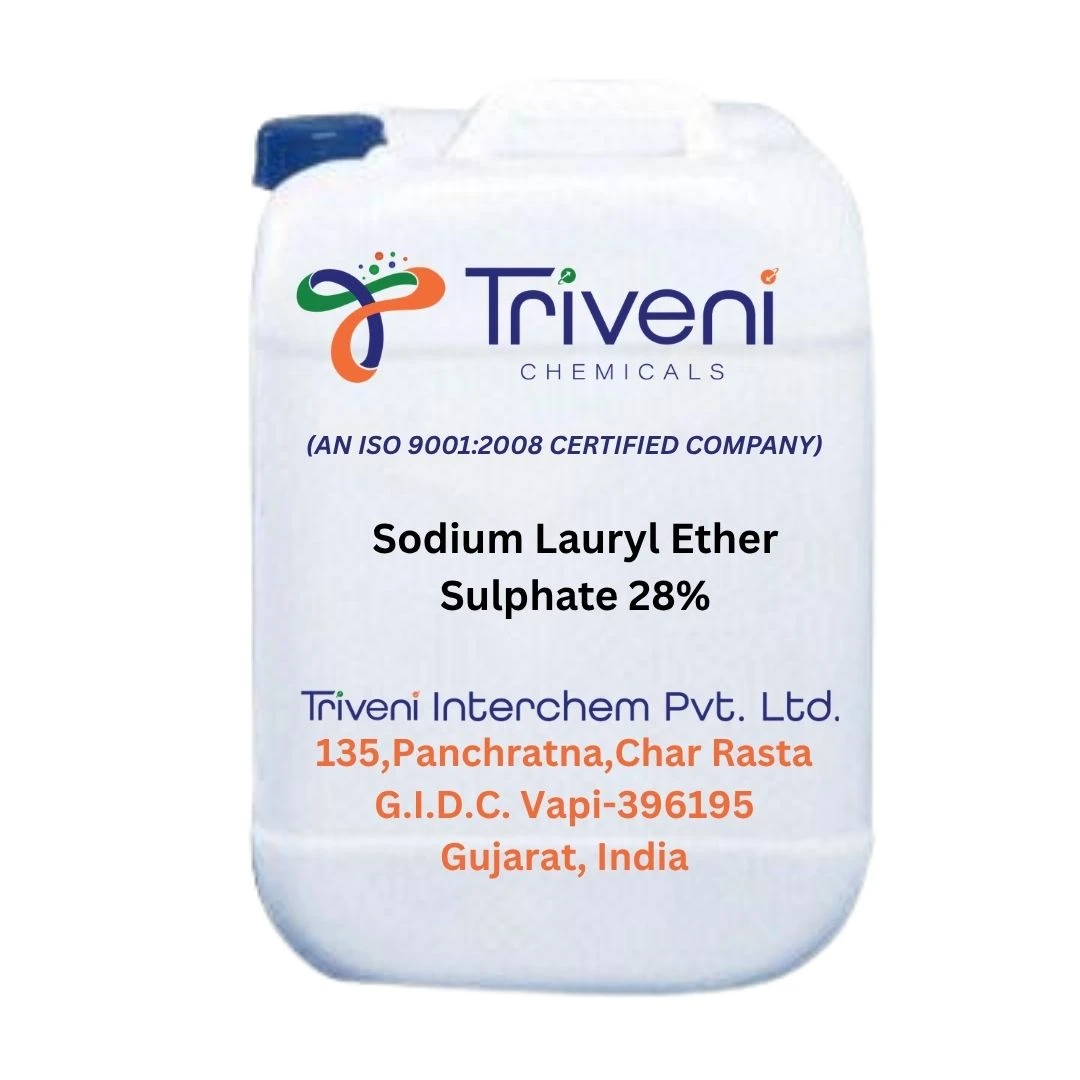
Examples may include Sodium Lauryl Sulfate, Sodium Laureth Sulfate, Sodium Cocoyl Isethionate, and related anionic surfactants.
Amphoteric Cleansing Agents
Amphoteric surfactants are often used to improve mildness and support balanced cleansing systems.
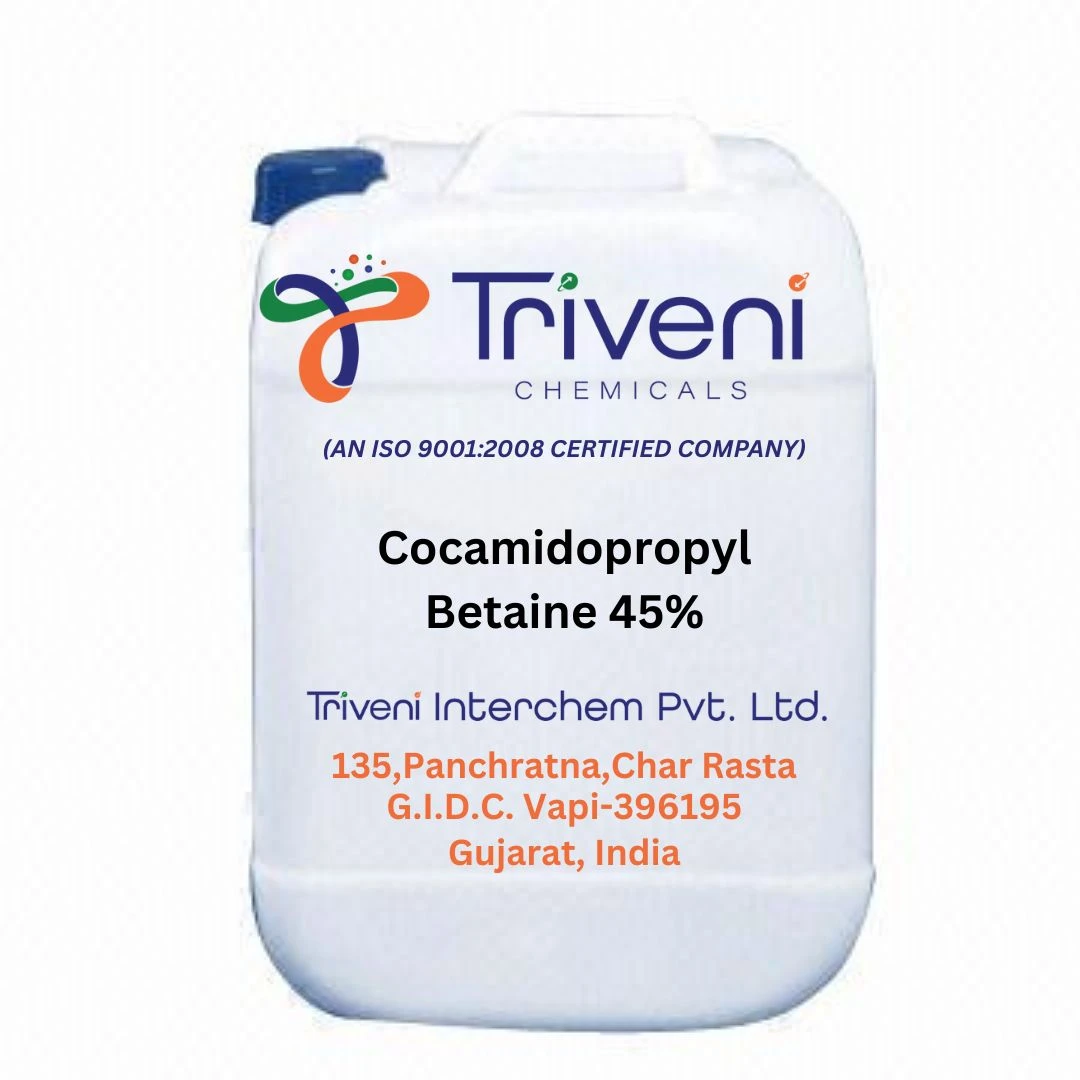
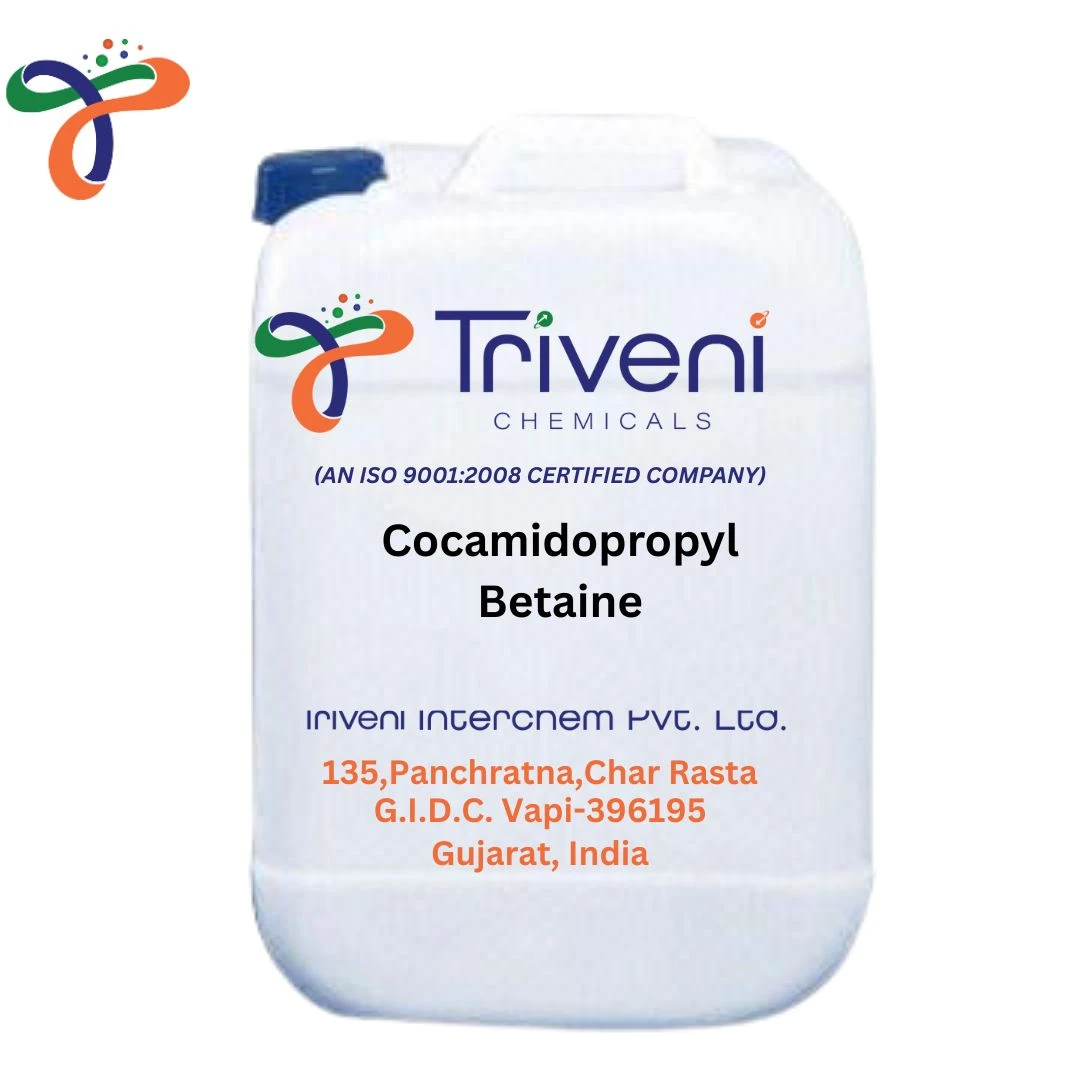
Examples include Cocamidopropyl Betaine and related betaine-based ingredients. They are frequently combined with anionic surfactants in shampoos, facial cleansers, and body washes.
Nonionic Cleansing Agents
Nonionic surfactants are valued for compatibility, mildness, emulsification, and cleansing performance in selected formulations.
They may be used in facial cleansers, specialty cleansing systems, creams, makeup removers, and other personal care applications.
Mild and Specialty Cleansing Agents
Mild cleansing agents are selected where formulators want effective cleaning with lower irritation potential and improved after-feel.
These ingredients are commonly used in facial care, baby care, sensitive-skin products, sulfate-free systems, and premium personal care formulations.
Applications of Cleansing Agents
Shampoos
Cleansing agents remove sebum, styling residues, dirt, and impurities from the scalp and hair while supporting foam and rinse performance.
Facial Cleansers
Mild surfactant systems are commonly used in face washes, micellar cleansers, gels, and cream cleansers to remove oil, makeup, and environmental residue.
Body Washes and Shower Gels
Cleansing agents provide detergency, foam, wetting, and rinseability in body-cleansing formulations.
Hand Washes and Liquid Soaps
They are used to remove oils and everyday contaminants while helping maintain suitable texture, foam, and user feel.
Makeup Removal Products
Selected surfactants and emulsifying cleansing ingredients help lift and disperse makeup, oils, and cosmetic residues.
How to Select a Cleansing Agent
Formulators typically consider cleansing strength, mildness, foam profile, pH compatibility, viscosity, skin or hair application, surfactant compatibility, rinse feel, regulatory requirements, and desired product positioning.
For procurement teams, product consistency, grade, purity, documentation, packaging, and supply reliability are also important.
Bulk Cleansing Agents for USA Manufacturers
Chemical Bull supports bulk cleansing agent requirements for U.S. manufacturers, formulators, contract manufacturers, distributors, and personal care brands. We also provide raw materials to cleansing agent chemical manufacturers and companies producing shampoos, face washes, body washes, liquid soaps, hand washes, and other cleansing products.
Buyers can share the required chemical or INCI name, grade, quantity, application, specification, packaging requirement, documentation needs, and delivery ZIP code. Depending on the product, supporting documents such as COA, SDS, TDS, product specifications, and packing information may be available.
Why Source Cleansing Agents from Chemical Bull?
Chemical Bull Pvt. Ltd. supports B2B buyers with a broad portfolio of personal care and specialty raw materials.
Our supply support includes bulk quantities, product specification assistance, documentation support, packaging options, export coordination, and support for repeat or project-based sourcing requirements.
Our wider personal care portfolio includes surfactants, emollients, humectants, conditioning agents, silicones, fatty alcohols, and other functional ingredients used in modern formulations.
Request a Bulk Cleansing Agent Quote for USA
Looking for a cleansing agents supplier for your U.S. manufacturing requirement?
U.S. buyers can contact our team for bulk pricing, availability, packaging, and documentation with the required product name, grade, quantity, application, and destination ZIP code.
Frequently Asked Questions
1. What are cleansing agents used for?
Cleansing agents are used to remove oil, dirt, sebum, makeup, sweat, and other impurities from skin, hair, and surfaces.
2. What are the main types of cleansing agents?
Common groups include anionic, amphoteric, nonionic, cationic, and specialty mild surfactants, depending on the formulation and application.
3. Which cleansing agents are used in shampoos?
Shampoos commonly use anionic surfactants, amphoteric surfactants, mild cleansing agents, and other surfactant combinations selected according to cleansing, foam, and mildness requirements.
4. What is the difference between a cleansing agent and a surfactant?
A surfactant is a chemical that reduces surface tension and can perform functions such as cleansing, wetting, emulsifying, or foaming. Many cleansing agents are surfactants, but not every surfactant is used primarily for cleansing.
5. Can Chemical Bull supply cleansing agents in bulk for the USA?
Yes. Chemical Bull supports bulk cleansing agent requirements for U.S. manufacturers, formulators, distributors, contract manufacturers, and other B2B buyers.