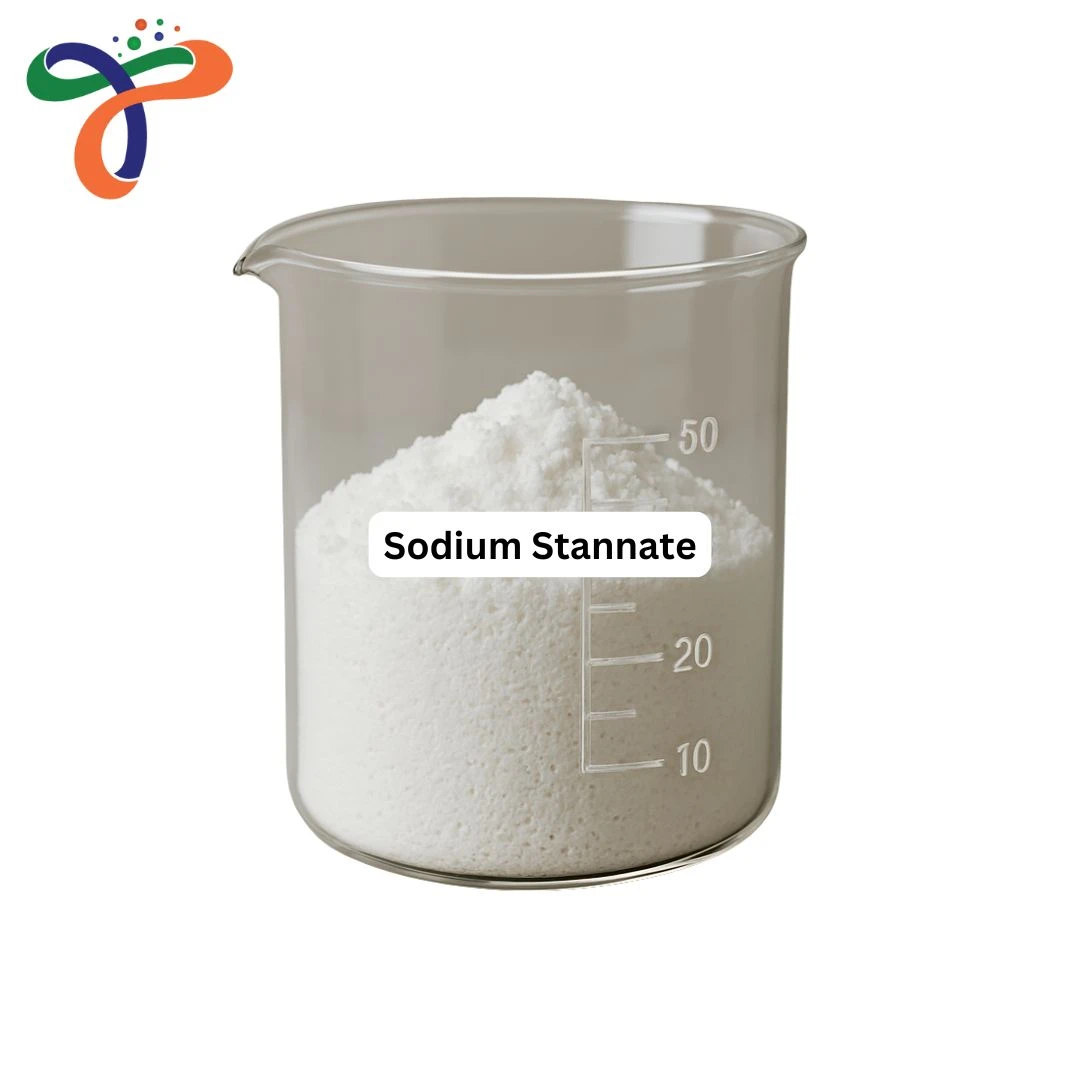
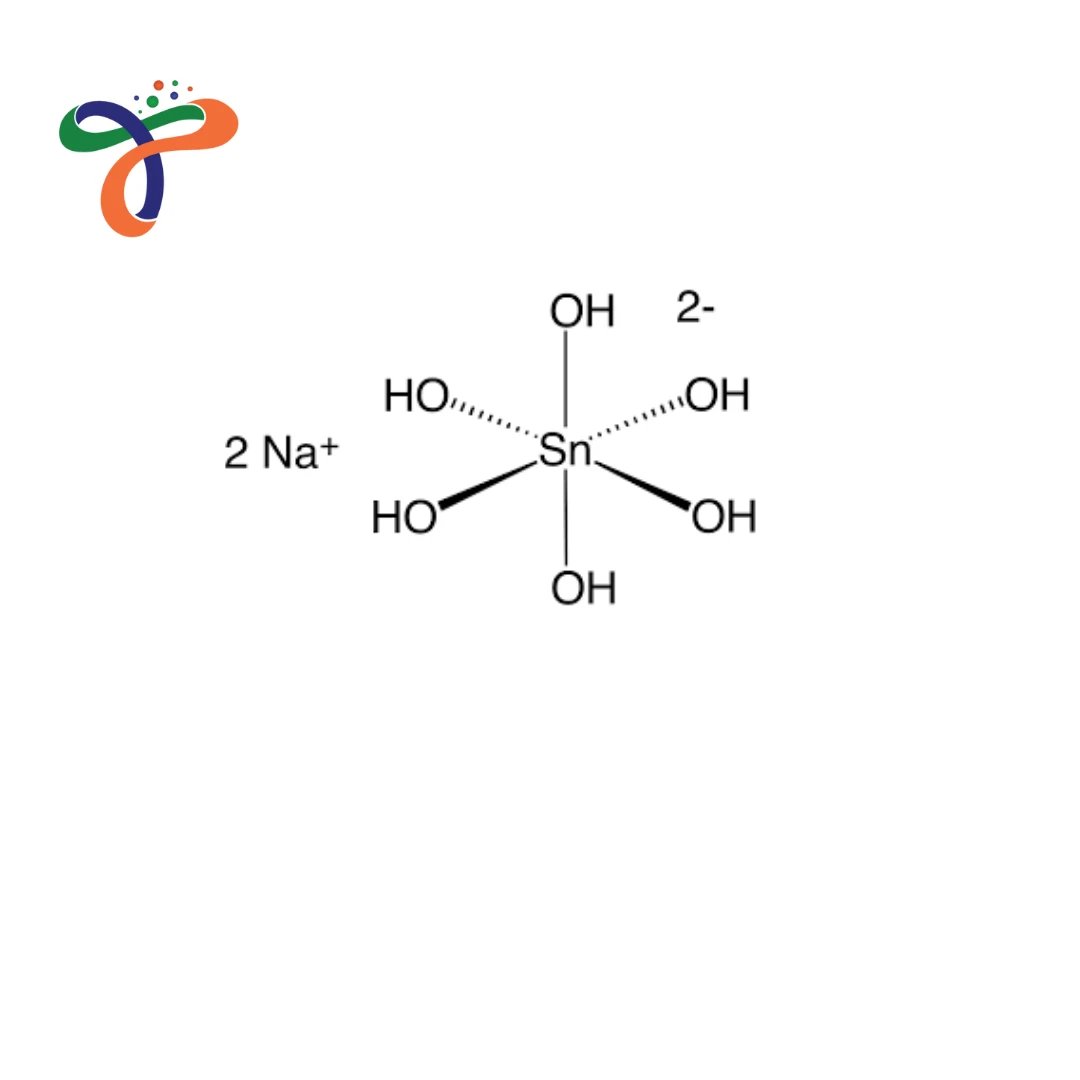
Sodium Stannate | 12209-98-2
Cas No :
12209-98-2
Synonyms :
Form :
Powder
Molecular Weight :
212.69 G/mol
Molecular Formula :
H6NA2O6SN
Boiling Point :
1500 °c
Melting Point :
687 °c
Flash Point :
500 °c
Solubility :
Very Soluble In Water
Description :
Sodium Stannate Supplier and Exporter for the UK
Chemical Bull supports Sodium Stannate sourcing for UK buyers, serving ceramic manufacturers, surface treatment businesses and speciality material processors. Share your required grade, specification and order quantity to request a supply quotation. Our role is to coordinate the offered material and commercial details against your purchasing requirements.
What Is Sodium Stannate?
Sodium stannate is a tin-containing inorganic material available in different hydration states. The supplied form and tin content must be established before comparing technical specifications or pricing.
Sodium Stannate Uses and Industrial Applications
Surface treatment
Selected stannate grades are used in alkaline tin treatment and plating systems. Bath design and impurity sensitivity determine the required specification.
Chemical manufacture
It can supply tin to selected inorganic synthesis processes. Moisture and assay basis affect material balance calculations.
Speciality industrial systems
Stannates may be evaluated in defined stabilisation or treatment applications. Confirm compatibility with the complete chemical system and the intended conditions.
Choosing the Right Sodium Stannate Grade
For bulk Sodium Stannate procurement, specify hydration state, tin content, free alkali, solubility and trace metal impurities. Where the manufacturer uses a trade grade or a particular test method, include that reference in your enquiry. The offered specification should match the material you intend to approve for production.
Match the inorganic grade to its role in the process rather than selecting by chemical name alone. Phase, hydration state and particle distribution can affect reaction rate, dispersion and finished performance. Set impurity limits around the actual sensitivity of the application. Where colour or electrical properties matter, trace components may require additional control. Share the approved test methods and any sample preparation requirements so that certificates from different sources can be compared meaningfully.
Production Trials and Quality Checks
Validate the offered material through the relevant firing, treatment, dispersion or reaction process. A laboratory assay alone may not predict the final result. Compare the finished material against the required performance and appearance criteria before committing to routine production supply.
For repeat supply, agree the acceptance limits and document requirements before the first commercial order. Review the batch Certificate of Analysis against that specification, and keep a retained sample where your quality procedure requires it. If a test method differs between sources, resolve that difference before treating the results as equivalent.
When comparing an alternative source, record the original manufacturer grade, the candidate specification and the results of your own evaluation. This gives purchasing and production teams a clear basis for approval. A lower quoted unit price should be considered alongside the material delivered, processing behaviour and any additional testing needed for the change.
Storage and Handling
Use the supplied physical form and current SDS to determine storage, transfer and exposure controls. Keep containers closed and protect against contamination or unwanted moisture changes. Consider powder flow and sampling consistency when planning receipt and use. The site procedure should preserve a representative sample for quality review.
Sodium Stannate MSDS, SDS and Technical Documentation
Request the current Sodium Stannate MSDS or Safety Data Sheet (SDS) for the exact offered grade. The document covers hazard identification, handling, storage, exposure controls and transport information. Ask separately for the product specification, Technical Data Sheet where available, and a batch Certificate of Analysis. An SDS supports safe-use assessment; it does not replace a quality specification or demonstrate finished-product approval.
Sodium Stannate Price and Bulk Supply for UK Buyers
The Sodium Stannate price for UK delivery depends on the grade, quantity, packaging, source and agreed delivery terms. Include your delivery postcode, required date and purchasing frequency when requesting a quotation. State whether the destination is in Great Britain or Northern Ireland so the relevant supply arrangements can be reviewed. Availability, freight and any import responsibilities should be confirmed in the quotation before an order is placed.
Frequently Asked Questions
1. What is Sodium Stannate?
Sodium stannate is a tin-containing inorganic material available in different hydration states. Confirm the exact manufacturer grade and composition in the offered specification.
2. What is Sodium Stannate used for?
Applications include surface treatment, chemical manufacture, speciality industrial systems. The required grade and finished-product suitability depend on the actual formulation or process.
3. Why does the hydration state matter for sodium stannate?
Water of crystallisation changes the material composition and assay basis. Compare quotations using the required form and relevant tin content.
4. How can I request a bulk Sodium Stannate price for the UK?
Send the product name, approved specification, required quantity, packaging preference and UK delivery postcode. Include your target date and documentation requirements for a relevant quotation.
5. Can I request a Sodium Stannate MSDS?
Yes. Ask for the current SDS/MSDS for the offered grade, together with the product specification and available COA or TDS. Review the documents before approving the material.
Request a Sodium Stannate Quotation
To buy Sodium Stannate for a UK business requirement, contact Chemical Bull. Share your specification, quantity and delivery details. Our team can review your enquiry and confirm the offered grade, available documentation and commercial supply terms.