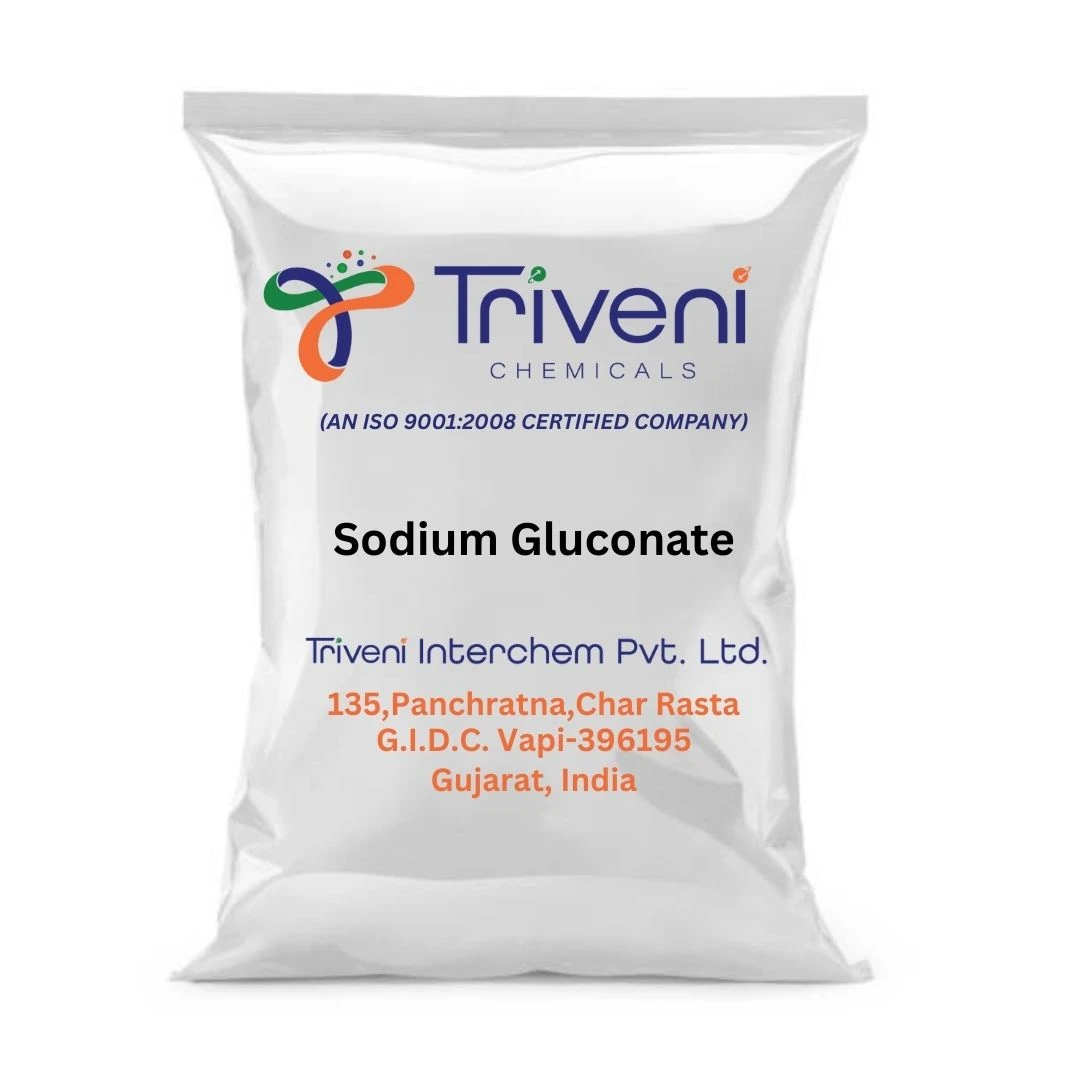
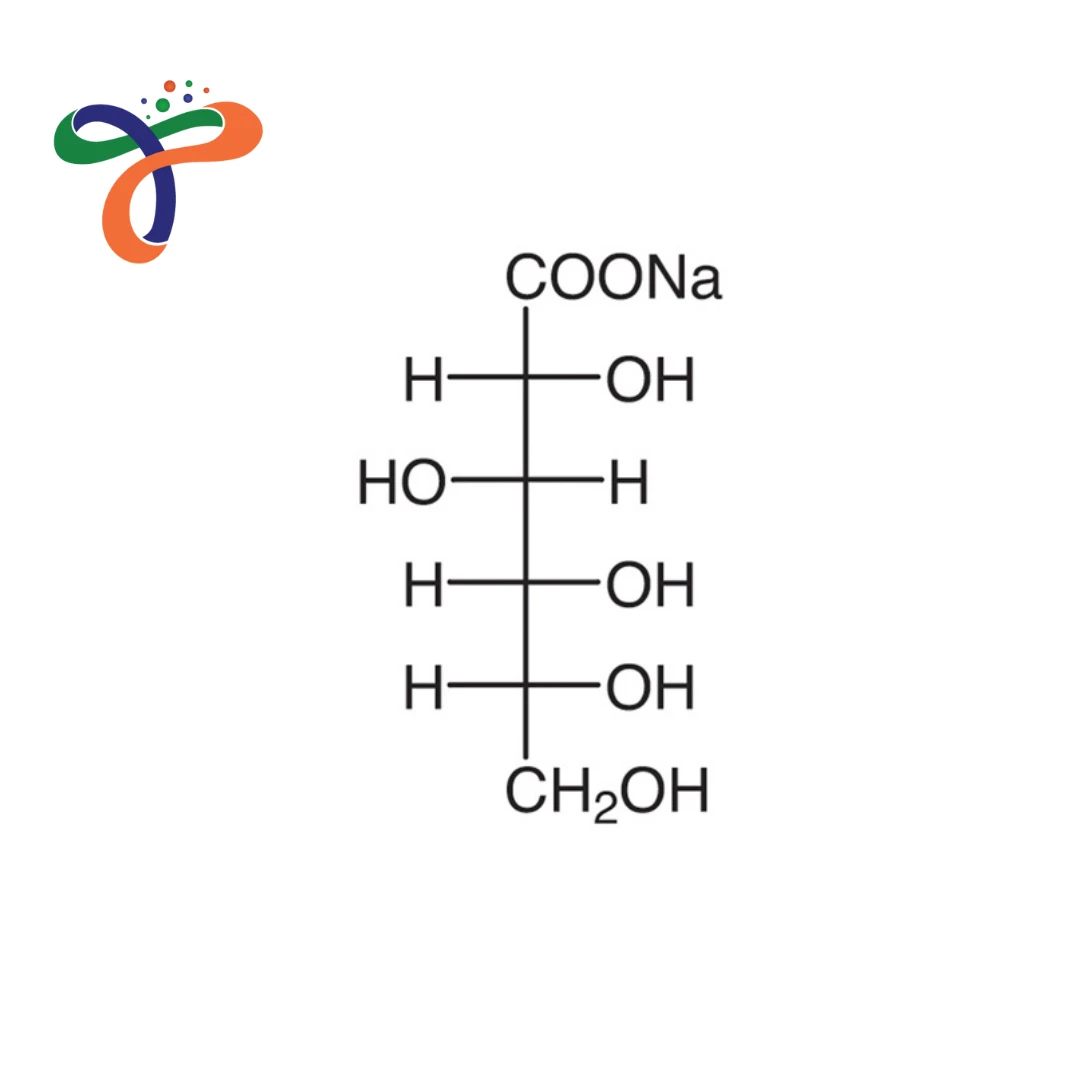
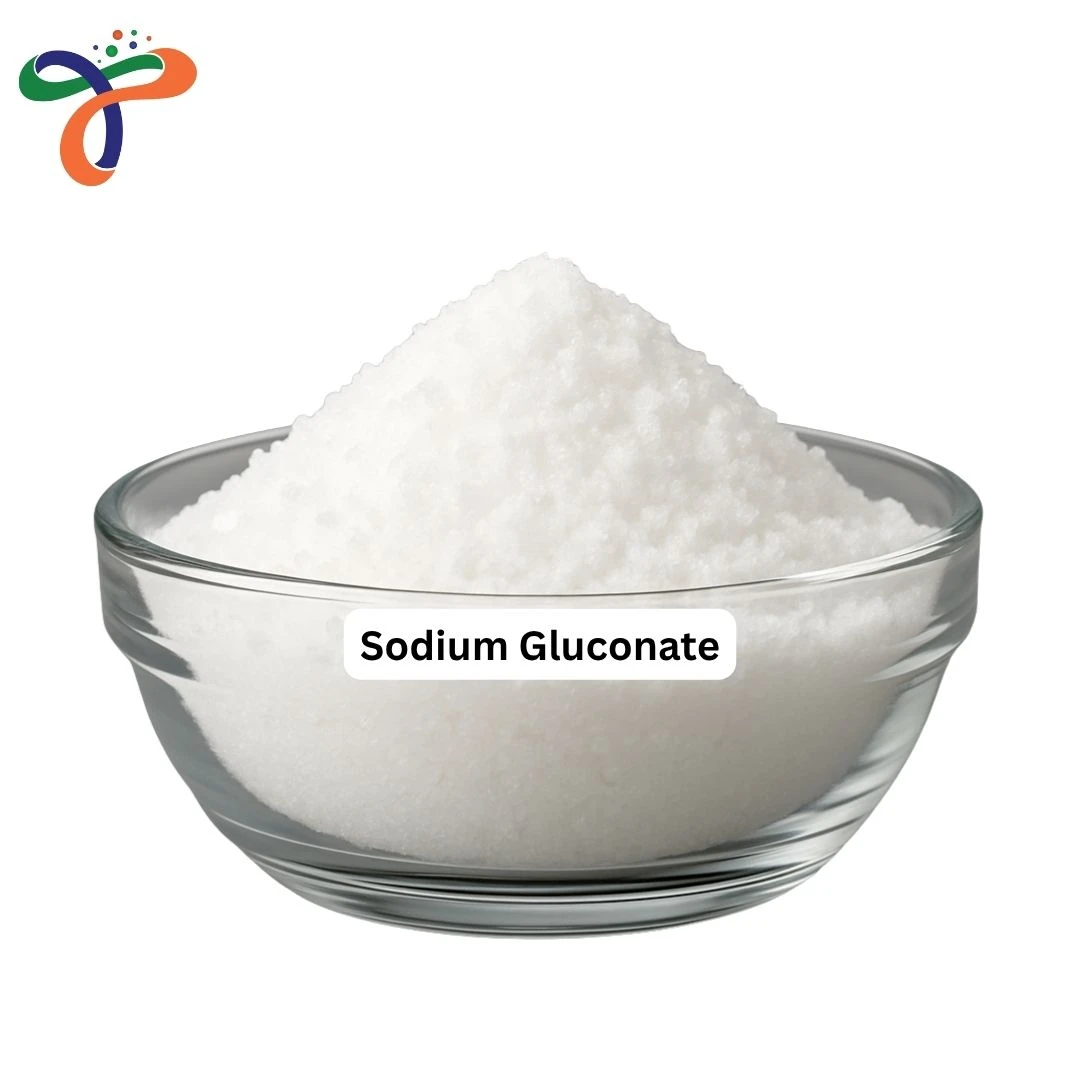
Sodium Gluconate | 0527-07-01
Cas No :
0527-07-01
Synonyms :
Form :
Powder
Molecular Weight :
218.14 G/mol
Molecular Formula :
C6H11NAO7
Boiling Point :
300 °c
Melting Point :
160 °c
Flash Point :
190 °c
Solubility :
Highly Soluble In Water
Description :
Sodium Gluconate Supplier and Exporter for the UK
Chemical Bull supports Sodium Gluconate sourcing for UK buyers, serving industrial formulators, food ingredient buyers and process chemical businesses. Share your required grade, specification and order quantity to request a supply quotation. Our role is to coordinate the offered material and commercial details against your purchasing requirements.
What Is Sodium Gluconate?
Sodium gluconate is the sodium salt of gluconic acid. It is used as a chelating ingredient and in selected concrete, cleaning and industrial treatment formulations.
CAS number: 527-07-1. Confirm this identity against the documentation for the supplied material.
Sodium Gluconate Uses and Industrial Applications
Concrete admixtures
It can affect cement hydration and workability in matched admixture systems. Set time and strength require testing with the actual cement and dosage.
Industrial cleaning
Its metal-ion complexing properties support selected cleaning formulations. Performance depends on water hardness, pH and the rest of the cleaning system.
Metal and process treatment
Formulators may use it for controlled complexation in technical systems. Check interactions with process metals and treatment chemistry.
Choosing the Right Sodium Gluconate Grade
For bulk Sodium Gluconate procurement, specify assay, moisture, reducing substances, chloride, sulphate and particle form. Where the manufacturer uses a trade grade or a particular test method, include that reference in your enquiry. The offered specification should match the material you intend to approve for production.
Confirm the chemical form, assay basis and application standard before comparing quotations. Hydration state and moisture can change the amount of functional material delivered in each kilogram. Particle form may influence charging and dissolution, while trace impurities can matter in sensitive processes. A technical grade should not be assumed equivalent to a food or compendial grade. Share the complete specification and state which properties are critical to your production process.
Production Trials and Quality Checks
Check dissolution, formulation behaviour and the relevant finished-product properties under representative conditions. If a change of hydration state or concentration is proposed, recalculate the formulation before testing. Retain the analytical basis used to approve the material so that future batches can be compared consistently.
For repeat supply, agree the acceptance limits and document requirements before the first commercial order. Review the batch Certificate of Analysis against that specification, and keep a retained sample where your quality procedure requires it. If a test method differs between sources, resolve that difference before treating the results as equivalent.
When comparing an alternative source, record the original manufacturer grade, the candidate specification and the results of your own evaluation. This gives purchasing and production teams a clear basis for approval. A lower quoted unit price should be considered alongside the material delivered, processing behaviour and any additional testing needed for the change.
Storage and Handling
Keep the product protected from contamination and follow the storage conditions stated by the manufacturer. Assess moisture sensitivity and any tendency to cake for the offered form. Establish an appropriate sampling and dissolution procedure. Handling controls and compatible equipment should be based on the exact product SDS.
Sodium Gluconate MSDS, SDS and Technical Documentation
Request the current Sodium Gluconate MSDS or Safety Data Sheet (SDS) for the exact offered grade. The document covers hazard identification, handling, storage, exposure controls and transport information. Ask separately for the product specification, Technical Data Sheet where available, and a batch Certificate of Analysis. An SDS supports safe-use assessment; it does not replace a quality specification or demonstrate finished-product approval.
Sodium Gluconate Price and Bulk Supply for UK Buyers
The Sodium Gluconate price for UK delivery depends on the grade, quantity, packaging, source and agreed delivery terms. Include your delivery postcode, required date and purchasing frequency when requesting a quotation. State whether the destination is in Great Britain or Northern Ireland so the relevant supply arrangements can be reviewed. Availability, freight and any import responsibilities should be confirmed in the quotation before an order is placed.
Frequently Asked Questions
1. What is Sodium Gluconate?
Sodium gluconate is the sodium salt of gluconic acid. The CAS number is 527-07-1.
2. What is Sodium Gluconate used for?
Applications include concrete admixtures, industrial cleaning, metal and process treatment. The required grade and finished-product suitability depend on the actual formulation or process.
3. Can sodium gluconate be added to concrete at a universal dose?
No. Cement chemistry, temperature and other admixtures affect performance. Establish dosage through relevant concrete trials.
4. How can I request a bulk Sodium Gluconate price for the UK?
Send the product name, approved specification, required quantity, packaging preference and UK delivery postcode. Include your target date and documentation requirements for a relevant quotation.
5. Can I request a Sodium Gluconate MSDS?
Yes. Ask for the current SDS/MSDS for the offered grade, together with the product specification and available COA or TDS. Review the documents before approving the material.
Request a Sodium Gluconate Quotation
To buy Sodium Gluconate for a UK business requirement, contact Chemical Bull. Share your specification, quantity and delivery details. Our team can review your enquiry and confirm the offered grade, available documentation and commercial supply terms.