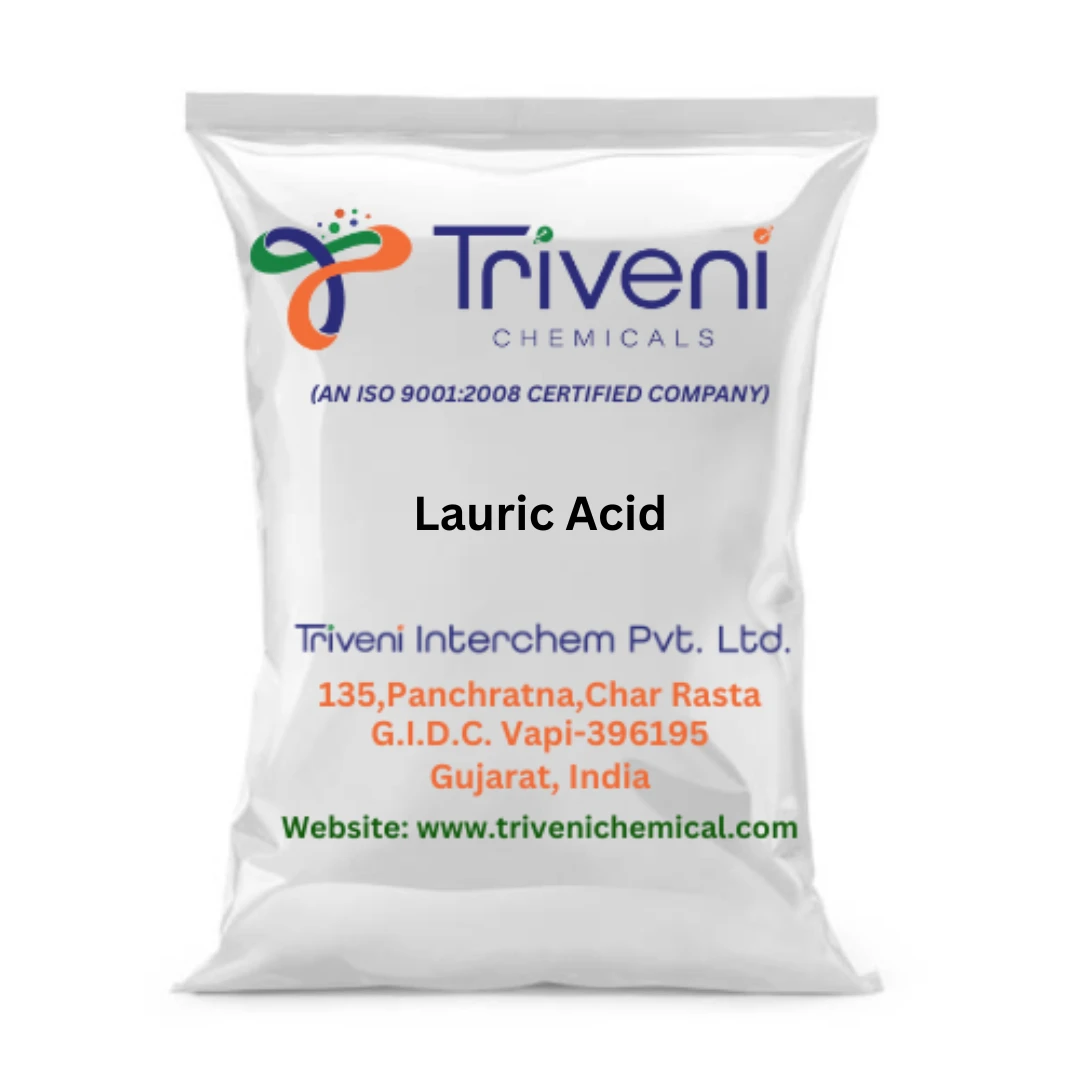
Lauric Acid | 0143-07-07
Cas No :
0143-07-07
Synonyms :
Form :
powder
Molecular Weight :
200.32 G/mol
Molecular Formula :
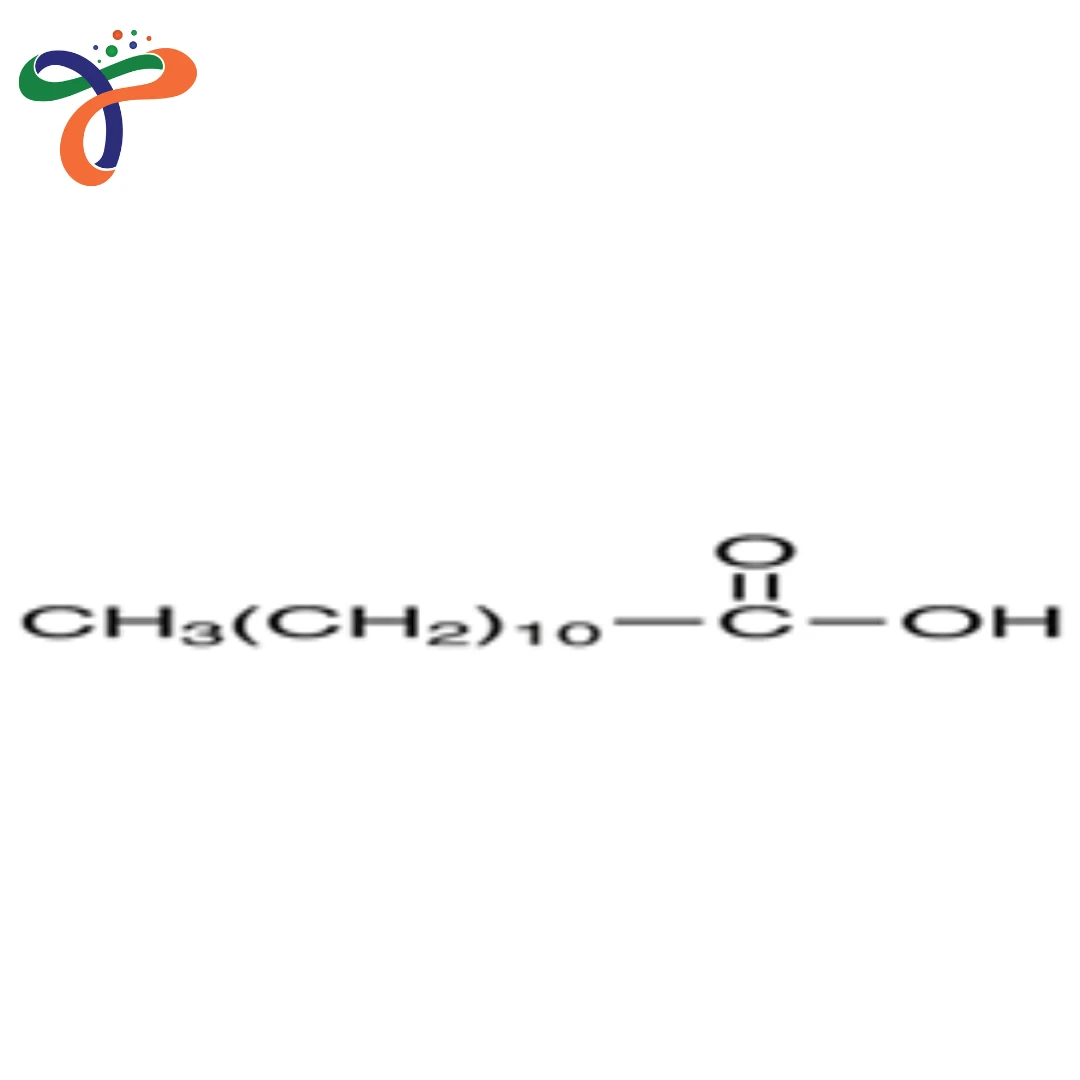
C12H24O2
Boiling Point :
225 °c At 100 Mmhg
Melting Point :
43–46 °c
Flash Point :
168 °c
Solubility :
Insoluble In Water; Soluble In Ethanol, Chloroform, Ether, Oils
Description :
Lauric Acid Supplier and Exporter for the UK
Chemical Bull supports Lauric Acid sourcing for UK soap manufacturers, personal care producers, surfactant formulators and chemical distributors. We welcome enquiries for fatty acid raw materials used in suitable cleansing formulations and oleochemical manufacturing.
Send your required specification, quantity and delivery postcode to request Lauric Acid bulk pricing, technical documents and a commercial quotation.
Chemical Bull is a Lauric Acid supplier, distributor, wholesaler and exporter serving UK buyers. We coordinate sourcing against your approved grade, fatty acid composition, packaging preferences and documentation requirements.
Share your application and purchasing schedule so our team can check the offered specification, sample availability, minimum order quantity and lead time.
Quick Buyer Answer
Lauric Acid, CAS 143-07-7, is a saturated C12 fatty acid also known as Dodecanoic Acid. It is used in soap making, personal care formulations and the manufacture of suitable surfactants, esters and other chemical derivatives. UK buyers can request a quotation by sharing their required grade, specification, quantity and delivery postcode.
What Is Lauric Acid?
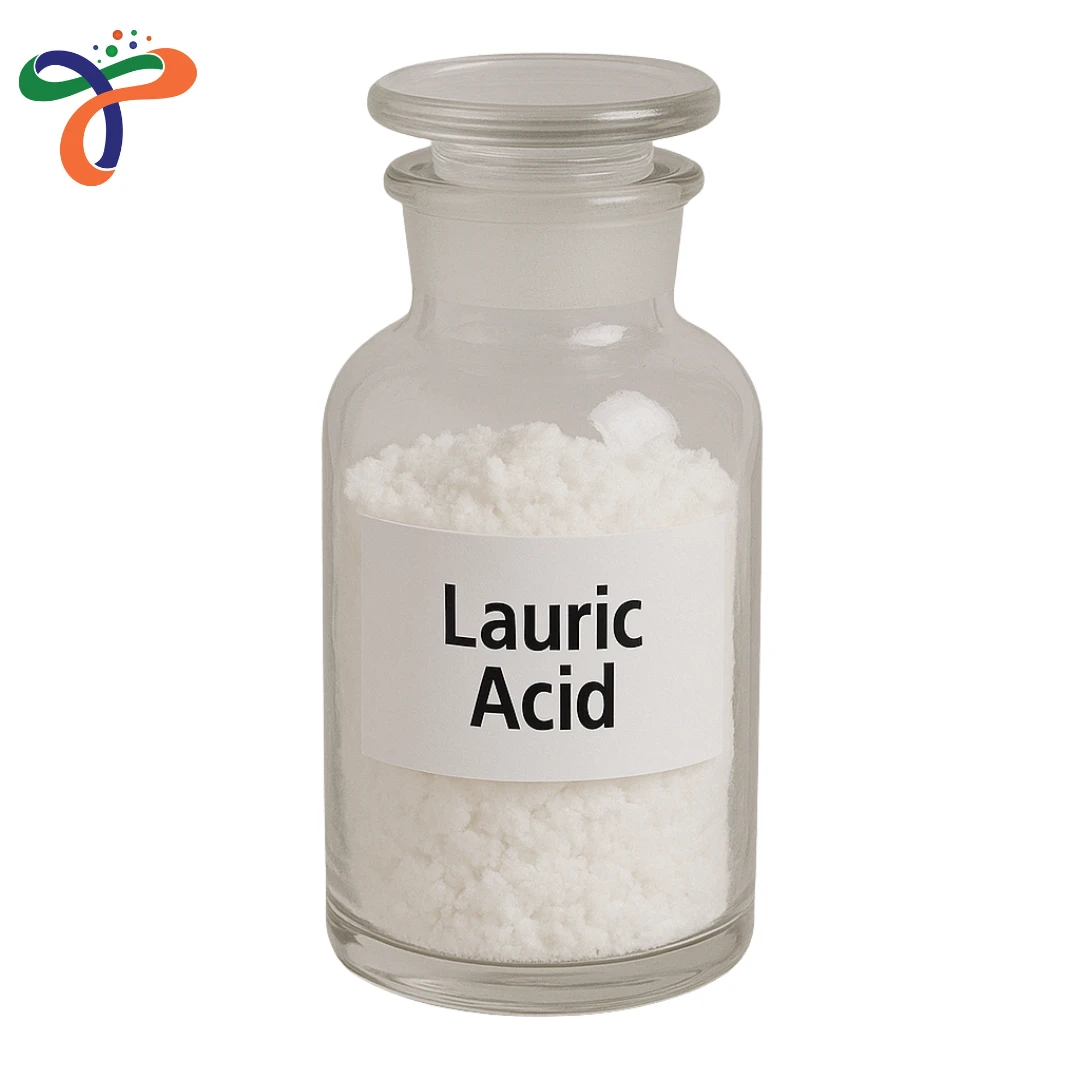
Lauric Acid is a straight-chain saturated fatty acid containing twelve carbon atoms. It is generally a white solid at room temperature.
Synonym: Dodecanoic Acid.
Lauric Acid CAS No.: 143-07-7.
Molecular formula: C12H24O2.
INCI name: Lauric Acid.
Lauric Acid occurs naturally as a fatty acid component of coconut oil and palm kernel oil. Buyers requiring a particular feedstock origin should request a manufacturer declaration for the offered material.
Commercial grades differ in C12 content and accompanying fatty acid composition. Review the complete specification when selecting material for your manufacturing process.
Lauric Acid Uses and Applications
Lauric Acid in Soap Making
Manufacturers use Lauric Acid in soap making to produce laurate soaps through neutralisation with a suitable alkali. These soaps contribute cleansing and lathering properties to the finished formulation.
Soap formulators should balance Lauric Acid with the complete fatty acid blend to achieve the required foam, bar characteristics and skin feel. Performance depends on the overall recipe and manufacturing process.
Personal Care Cleansing Formulations
Lauric Acid is used in suitable personal care cleansing systems, including formulations containing neutralised fatty acid soaps.
Personal care manufacturers should assess the required grade, colour, odour, fatty acid composition and compatibility with the complete formulation.
Surfactant and Detergent Raw Materials
Lauric Acid serves as a raw material for selected surfactants and detergent ingredients. Its C12 fatty acid chain is useful in the manufacture of suitable cleansing and surface-active derivatives.
Manufacturers should specify the fatty acid composition and quality parameters required by their particular conversion process.
Esters and Oleochemical Derivatives
Lauric Acid is used to manufacture laurate esters and other oleochemical intermediates. The properties and applications of these derivatives depend on the alcohol or other reactant used.
Derivative manufacturers should review acid value, moisture, colour and relevant impurity limits against their approved production specification.
Lauric Acid Grade and Specification Selection
When comparing Lauric Acid suppliers for the UK, review the manufacturer's specification against your application. Relevant purchasing parameters may include C12 content, fatty acid distribution, acid value, saponification value, iodine value, moisture, colour and titre or melting range.
Specify your required physical form and any material-handling requirements. Confirm the offered form and packaging with the quotation.
For soap and personal care manufacturing, include any odour, colour or ingredient-origin requirements. Where a particular sourcing certification is required, request supporting documents for the offered grade.
Food or pharmaceutical enquiries should identify the required grade, applicable quality standard and qualification documents separately. General industrial suitability does not establish suitability for these applications.
Industries We Supply
Chemical Bull accepts Lauric Acid enquiries from soap manufacturers, personal care companies, detergent producers, surfactant manufacturers, ester producers, oleochemical processors and chemical distributors across the United Kingdom.
Product selection is based on your intended application, required fatty acid composition and approved purchasing specification.
Bulk Packaging and Supply Support
Request Lauric Acid bulk supply and export quotations for the UK with your preferred packaging and total order quantity. Available pack sizes, minimum order quantity and lead time are confirmed against the offered supply.
For a relevant quotation, provide:
- Required grade and approved product specification.
- Minimum C12 content and relevant fatty acid composition limits.
- Intended application and preferred physical form.
- Order quantity and expected repeat consumption.
- Packaging preferences and ingredient-origin requirements.
- UK delivery postcode or nominated destination port.
- Required delivery date and supporting documents.
Ask for the quotation to identify the offered manufacturer, pack size, delivery basis and estimated lead time so your procurement team can compare the complete supply proposal.
Lauric Acid MSDS, SDS and Technical Documentation
Request the Lauric Acid Certificate of Analysis (COA), Safety Data Sheet (SDS), product specification and available Technical Data Sheet (TDS) during supplier evaluation.
Buyers searching for a Lauric Acid MSDS should request the current supplier-issued SDS for the exact grade offered. Review it for handling, storage, protective equipment and transport information.
Check batch traceability, fatty acid composition and relevant test results against your purchase specification. Share any additional quality declarations or receiving-site documentation requirements with your initial enquiry.
Where to Buy Lauric Acid for UK Requirements
Contact Chemical Bull to buy Lauric Acid for UK manufacturing and distribution requirements. We welcome enquiries for bulk sourcing, wholesale supply and export arrangements.
The Lauric Acid price quoted depends on the offered grade, C12 content, quantity, packaging and delivery terms. Send your approved specification and delivery details to receive a relevant commercial quotation.
Frequently Asked Questions
-
What is Lauric Acid?
Lauric Acid is a saturated C12 fatty acid also known as Dodecanoic Acid. It is used in soap making, personal care cleansing systems and the manufacture of suitable oleochemical derivatives.
-
What is the Lauric Acid CAS No.?
The Lauric Acid CAS No. is 143-07-7. Its molecular formula is C12H24O2, and its INCI name is Lauric Acid.
-
Why is Lauric Acid used in soap making?
Lauric Acid forms laurate soaps when neutralised with a suitable alkali. These soaps contribute cleansing and lathering properties. The complete fatty acid blend determines the finished soap's performance and skin feel.
-
Where can buyers request a Lauric Acid MSDS?
Request the current Lauric Acid SDS from the supplier for the offered grade. Buyers using the older term MSDS should request the same current safety document, together with the COA and product specification.
-
How can I buy Lauric Acid and request pricing for UK delivery?
Send Chemical Bull your required grade, C12 content, specification, quantity, packaging preference and UK delivery postcode. Include your target delivery date so availability, pricing and lead time can be checked.
Related Chemicals
Related fatty acid sourcing requirements may include Myristic Acid, Stearic Acid and Oleic Acid, depending on your formulation and manufacturing process.
Select each material according to its fatty acid profile, intended function and approved finished-product requirements.