Sunscreen
Category Details :
Category Description :
Sunscreen Ingredients Suppliers for the UK
Sunscreen formulations rely on carefully selected ingredients to help protect the skin from ultraviolet (UV) radiation. UV filters are central to these products, while emulsifiers, emollients, film-forming agents and other formulation ingredients can help achieve the required texture, spreadability and product stability.
..Sunscreen Ingredients Suppliers for the UK
Sunscreen formulations rely on carefully selected ingredients to help protect the skin from ultraviolet (UV) radiation. UV filters are central to these products, while emulsifiers, emollients, film-forming agents and other formulation ingredients can help achieve the required texture, spreadability and product stability.
ChemicalBull supplies chemical ingredients for personal care applications and supports sourcing enquiries for UK buyers looking for sunscreen formulation raw materials. Product selection depends on the intended formulation, required performance, ingredient compatibility and applicable UK cosmetic requirements.
What Ingredients Are Used in Sunscreen Formulations?
Sunscreen products typically contain a combination of functional ingredients. Each ingredient has a different role in the formulation.
1. UV Filters
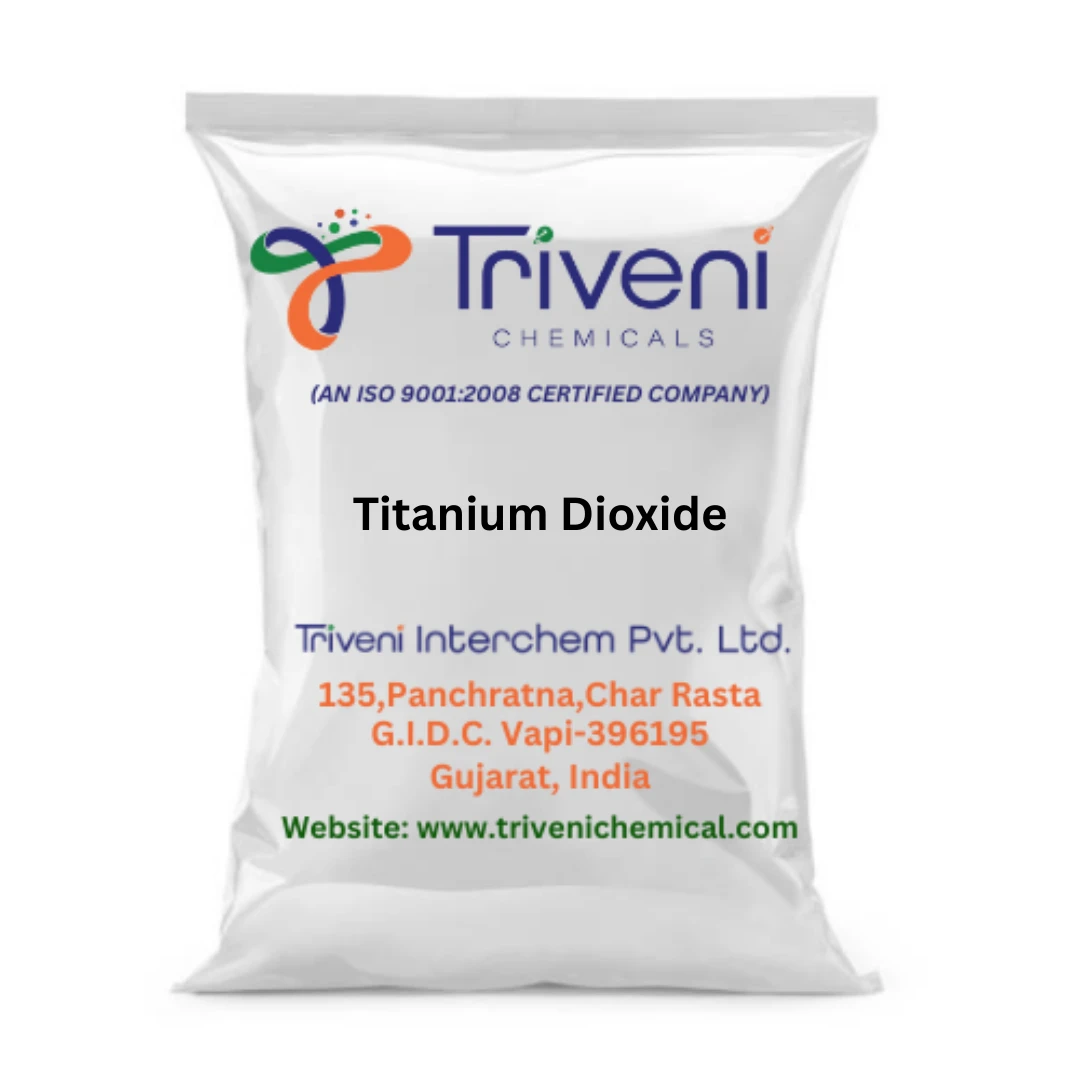
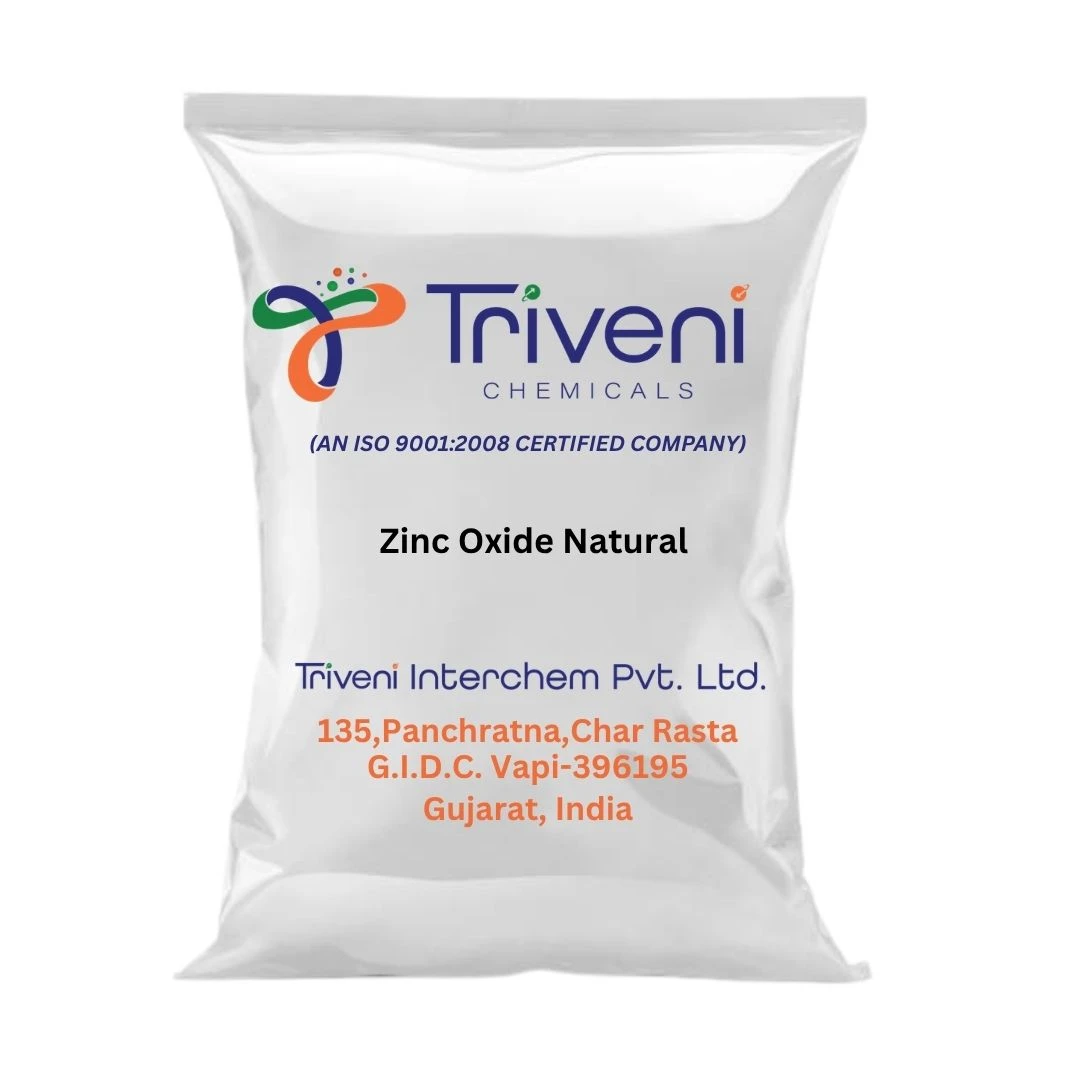
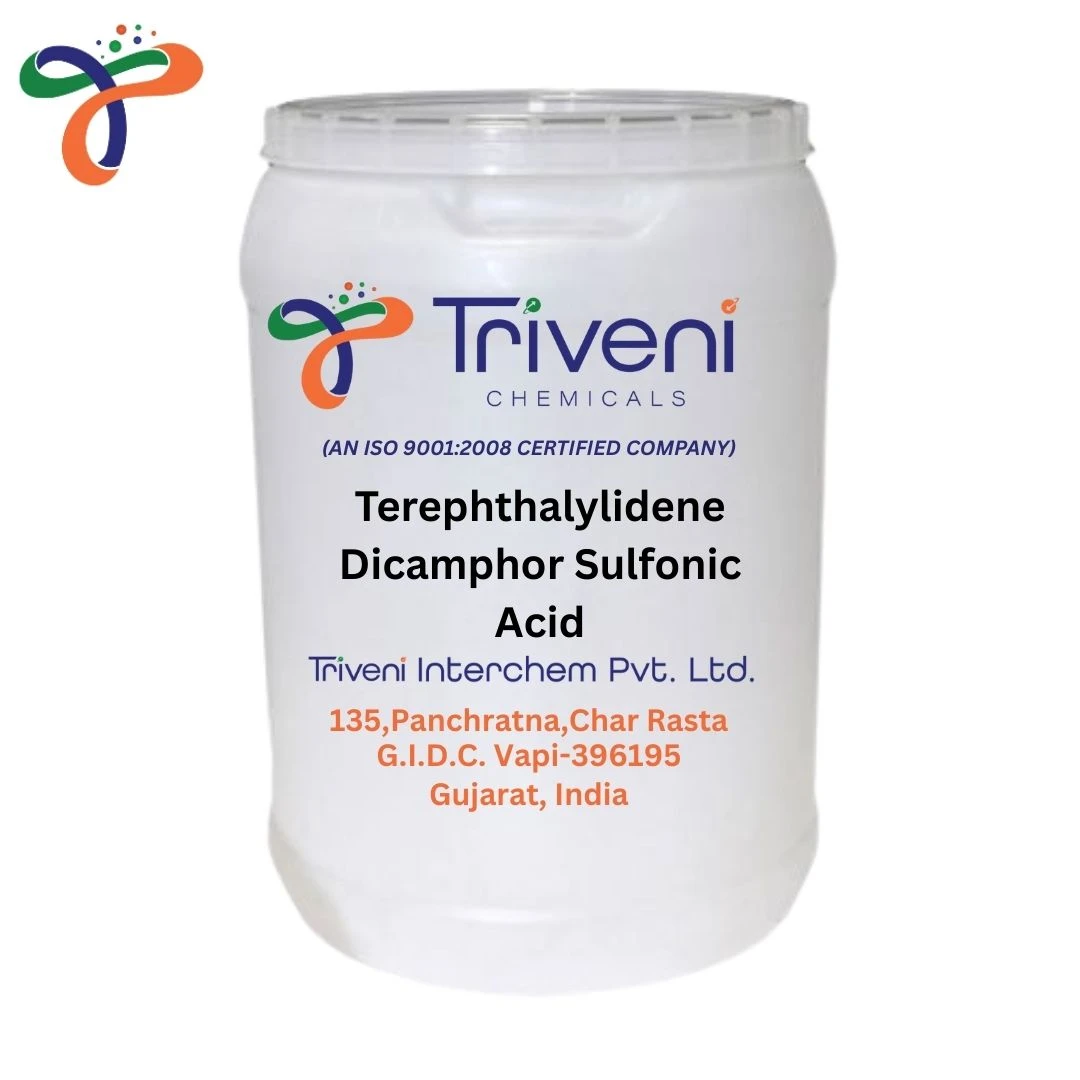
UV filters are ingredients intended to absorb, reflect or scatter ultraviolet radiation, depending on their chemistry. They are broadly discussed as UV-A filters, UV-B filters or broad-spectrum filters according to their protection characteristics.
Only UV filters permitted for the intended cosmetic use and market should be selected. Their use levels and conditions must comply with the applicable requirements.
2. Emollients
Emollients help improve spreadability, skin feel and the sensory properties of sunscreen products. The choice depends on the desired finish, compatibility with UV filters and overall formulation design.
3. Emulsifiers
Emulsifiers help combine and stabilise oil and water phases in sunscreen creams and lotions. The appropriate emulsifier system depends on the formulation type, oil phase and required stability.
4. Film-Forming Ingredients
Selected film-forming ingredients help create a more uniform layer on the skin. Their performance depends on the ingredient, formulation and application method.
5. Supporting Formulation Ingredients
Thickeners, stabilisers and other compatible ingredients may be used to achieve the desired viscosity, application properties and physical stability.
UV-A and UV-B Filters: Understanding the Difference
UV-A and UV-B radiation affect the skin differently, so sunscreen formulators consider the protection profile of the selected UV filters.
|
Category |
General role |
Formulation consideration |
|
UV-A filters |
Target protection against UV-A radiation |
Assess the permitted filter, concentration and compatibility |
|
UV-B filters |
Target protection against UV-B radiation |
Review the required protection profile and applicable restrictions |
|
Broad-spectrum systems |
Designed to cover relevant UV-A and UV-B wavelengths |
Confirm the finished product meets the applicable testing and labelling requirements |
The UV protection of a finished sunscreen cannot be determined from the ingredient list alone. SPF and UVA protection claims require appropriate testing of the finished formulation.
Key Considerations When Sourcing Sunscreen Ingredients
Ingredient Identity and Grade
Confirm the exact chemical identity, grade, purity requirements and intended cosmetic application. Similar ingredient names do not necessarily mean that products are interchangeable.
UK Regulatory Suitability
Verify that each UV filter is permitted for the intended use in the UK and complies with applicable restrictions, including concentration limits and conditions of use. Regulatory suitability should be checked against current UK requirements before formulation or sale.
Formulation Compatibility
Consider solubility, dispersion, phase compatibility, processing requirements and interactions with other ingredients. These factors can influence product stability and application performance.
Testing and Product Claims
Finished sunscreen products require appropriate testing to substantiate SPF, UVA protection and any water-resistance claims. Ingredient sourcing alone does not establish the performance of the finished product.
Technical Documentation
Before purchasing, request relevant specifications, safety documentation and other supporting documents available for the supplied grade.
Applications of Sunscreen Formulation Ingredients
Sunscreen-related raw materials may be used in different sun care product formats, depending on their properties and suitability.
|
Product format |
Formulation requirements |
|
Sunscreen creams |
Suitable UV filters, emulsifiers and emollients |
|
Sunscreen lotions |
Ingredients that support spreadability and emulsion stability |
|
Facial sunscreens |
Ingredients selected for the intended skin feel and finish |
|
Daily moisturisers with UV protection |
Compatible UV filters and supporting formulation ingredients |
|
Water-resistant sunscreens |
Appropriate formulation design and testing to substantiate water-resistance claims |
How to Choose a Sunscreen Ingredient Supplier in the UK
When evaluating a supplier, consider more than the product name or quoted price. Check the ingredient's identity, grade, availability, documentation and suitability for the intended application.
For UV filters, regulatory status is particularly important because not every substance used in sun care research or in other markets is permitted for cosmetic sunscreen use in the UK.
ChemicalBull supports enquiries for personal care chemicals and can discuss available products, packaging and supply arrangements based on your requirements.
Why Source Personal Care Ingredients from ChemicalBull?
ChemicalBull supplies chemical ingredients for personal care applications and supports sourcing enquiries from UK buyers.
-
Ingredient sourcing for personal care and sun care applications, subject to availability
-
Bulk quantity enquiries for selected products
-
Relevant product documentation, where available for the supplied grade
-
Support with enquiries based on product identity and intended use
-
Export and supply arrangements subject to product availability and shipping requirements
Frequently Asked Questions
1. What are the main ingredients used in sunscreen formulations?
Sunscreens may contain permitted UV filters alongside emollients, emulsifiers, film-forming ingredients and other supporting materials. The combination depends on the product type and required performance.
2. What is the difference between UV-A and UV-B filters?
UV-A and UV-B filters target different parts of the ultraviolet spectrum. Formulators select suitable filters and combinations to meet the required protection profile and applicable regulatory conditions.
3. Can any UV filter be used in sunscreen products sold in the UK?
No. UV filters must comply with the applicable UK cosmetic requirements, including permitted uses and any relevant concentration restrictions.
4. Do sunscreen ingredients determine the final SPF?
The ingredients influence the formulation, but the SPF of the finished product must be established through appropriate testing. It should not be inferred from an individual ingredient or its concentration alone.
5. What documents should buyers request when sourcing sunscreen ingredients?
Buyers should check the available product specification, safety data sheet and relevant supporting documentation. Additional documentation may be needed depending on the ingredient and intended application.
6. Can UK buyers enquire about sunscreen formulation ingredients from ChemicalBull?
Yes. Buyers can enquire by sharing the chemical name, required grade, quantity and intended application. Availability and supply arrangements should be confirmed for each product.