Dishwashers
Category Details :
Category Description :
Dishwashing Chemicals Supplier and Exporter for the UK
Chemical Bull supplies chemicals for dishwashing product manufacturing, serving UK detergent brands, contract blenders, professional cleaning formulators and chemical distributors...
Dishwashing Chemicals Supplier and Exporter for the UK
Chemical Bull supplies chemicals for dishwashing product manufacturing, serving UK detergent brands, contract blenders, professional cleaning formulators and chemical distributors. We help buyers source ingredients against their required specifications, production quantities and delivery schedules.
Our range supports washing-up liquids, automatic dishwasher detergents and rinse aids. These products require different ingredient combinations, so sourcing starts with the intended application and formulation.
Request a bulk quotation by sharing your required chemicals, specifications, quantity and UK delivery postcode.
What Are Dishwashing Chemicals?
Dishwashing chemicals are ingredients used to manufacture products that remove grease, food residues and stains from dishes, glassware, cutlery and utensils. They include surfactants, builders, chelating agents, enzymes and other formulation additives.
Manual washing-up liquids generally need effective grease removal and a suitable foam profile. Automatic dishwasher detergents require controlled foam to work with the machine’s spray action. Rinse aids help water drain from surfaces, supporting drying and reducing spotting.
Our Dishwashing Raw Materials Range
Surfactants for Washing-Up Liquids
Surfactants loosen grease and lift food residues into the wash water. Their combination affects cleaning, foam, viscosity and rinsing.
Chemical Bull welcomes enquiries for ingredients such as Sodium Laureth Sulphate (SLES), Cocamidopropyl Betaine and selected nonionic surfactants.
Specify the required active content, grade and impurity limits. For hand dishwashing products, assess skin compatibility through appropriate finished-product evaluation.
Low-Foaming Surfactants
Automatic dishwashing and commercial warewashing products need surfactants suited to machine operation. Excess foam can interfere with cleaning performance.
Selected low-foaming nonionic surfactants support wetting, detergency and rinsing. Buyers should identify the required foam behaviour, operating temperature and compatibility with the rest of the formulation.
Builders and Chelating Agents
Builders and chelating agents help manage water hardness and support cleaning performance. Selection depends on the formulation, wash conditions and required control of mineral deposits.
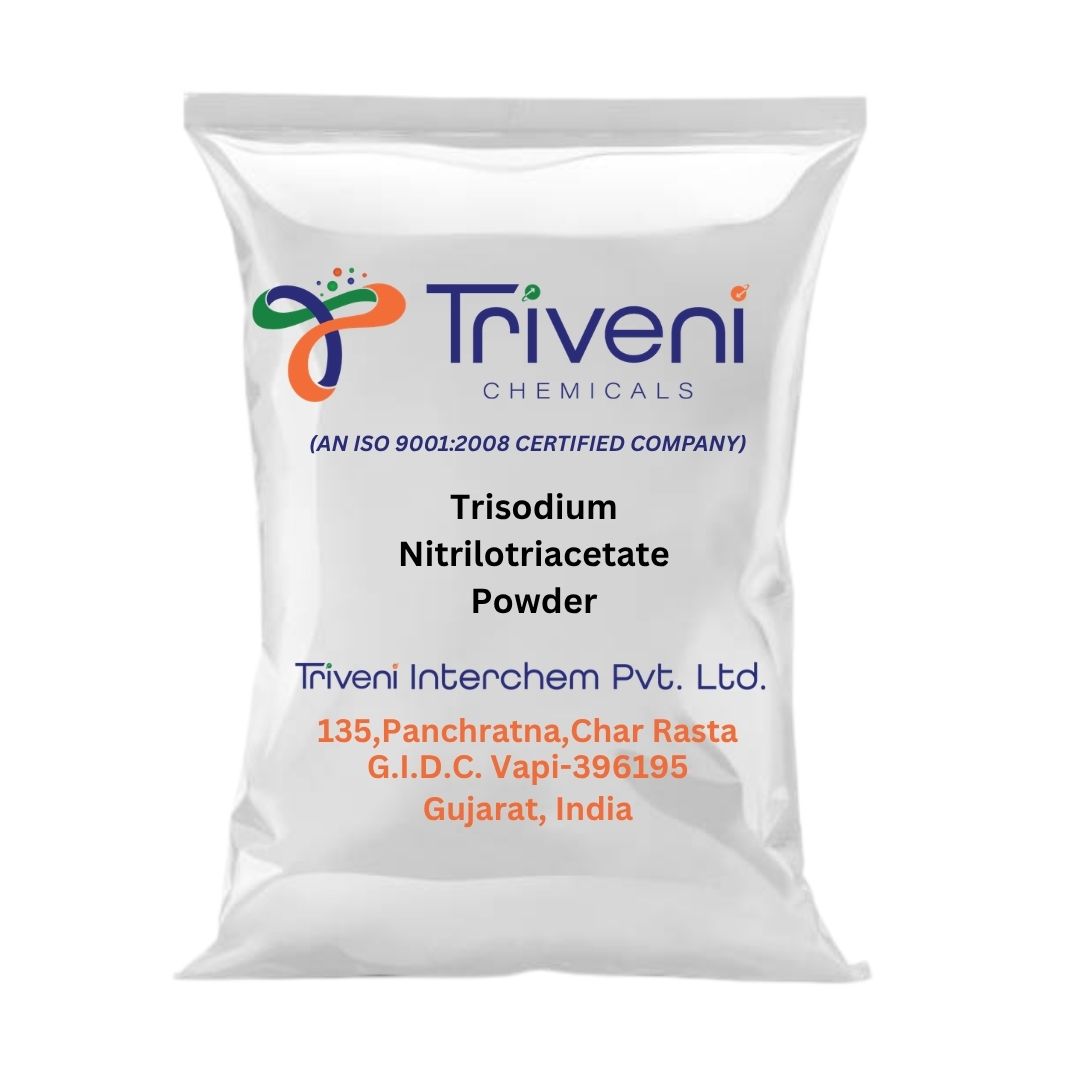
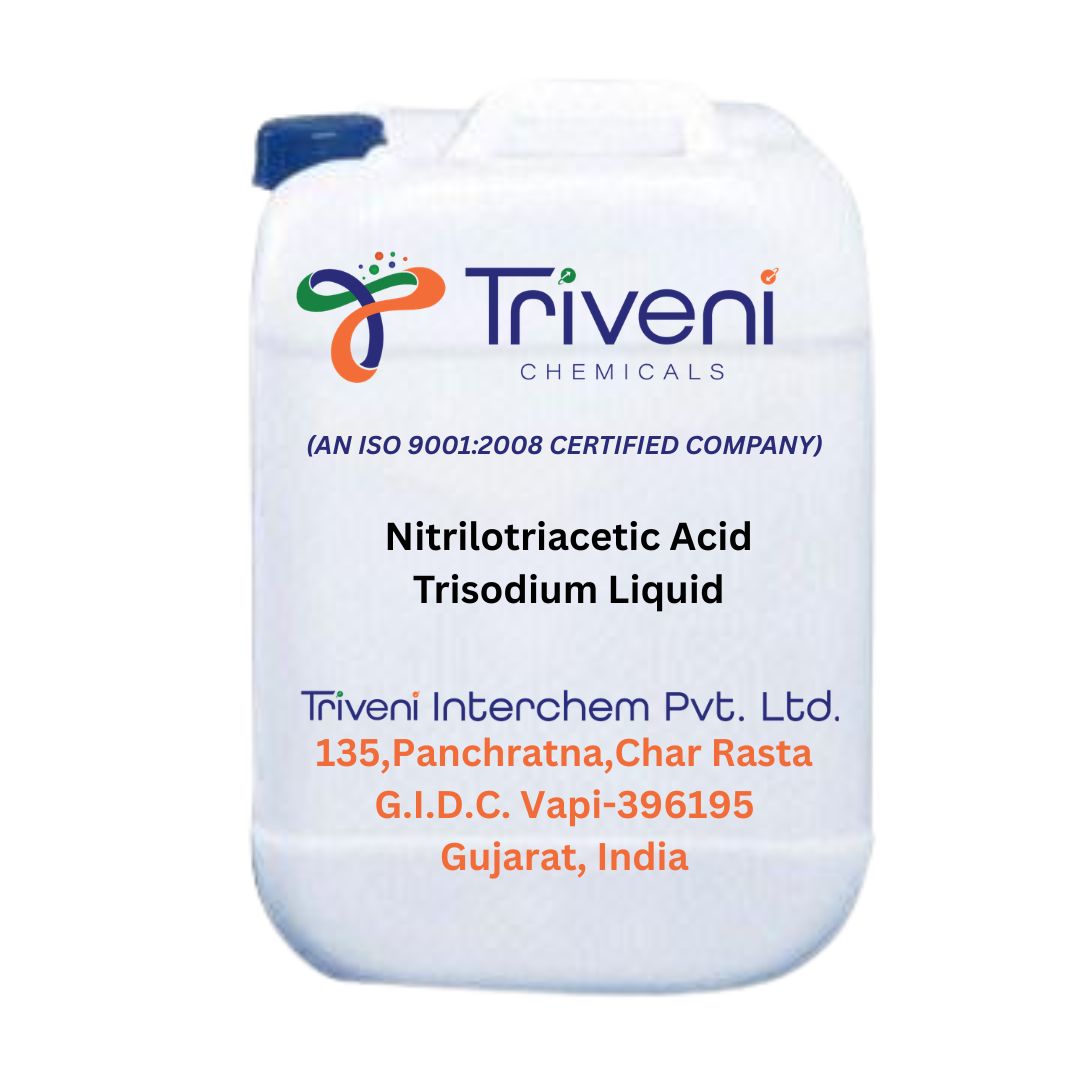
Sourcing enquiries may include Sodium Citrate and application-specific chelating agents. Provide the exact chemical identity, physical form and quality specification required by your process.
Alkaline Cleaning Ingredients
Suitable alkaline ingredients help remove greasy and food-based soils in selected automatic and professional dishwashing formulations.
Materials such as Sodium Carbonate and Sodium Metasilicate should be selected according to the required alkalinity and formulation compatibility. Their effect on glassware, metals and decorated items must be assessed in the finished product.
Enzymes and Supporting Additives
Selected automatic dishwasher detergents use enzymes to help break down food residues. Amylases target starch, while proteases target protein-based soils.
Other ingredients may include dispersing polymers, oxygen-based bleaching components, stabilisers, preservatives and colourants. Each must suit the product format and remain compatible throughout storage and use.
Ingredients and Their Functions
|
Ingredient group |
Main purpose |
Selection considerations |
|
Manual dishwashing surfactants |
Remove grease and support foam |
Active content, rinsing and viscosity |
|
Low-foaming surfactants |
Support machine cleaning and wetting |
Foam control and operating temperature |
|
Builders and chelating agents |
Manage hardness ions |
Water quality and deposit control |
|
Alkaline ingredients |
Support food-soil removal |
Material compatibility and formulation pH |
|
Enzymes |
Break down specific food residues |
Activity, stability and wash conditions |
|
Rinse-aid ingredients |
Improve drainage and drying |
Spotting, foam and surface appearance |
Raw Materials for Dishwashing Product Manufacturing
Household Washing-Up Liquids
Ingredients for manual cleaning products used on dishes, utensils and cookware. Manufacturers should balance grease removal, foam persistence, rinsing and product consistency.
Fragrance, preservative and colourant compatibility also need checking within the complete formula.
Automatic Dishwasher Detergents
Raw materials for suitable powders, tablets, gels and other automatic dishwashing formats.
Ingredient selection should account for dosing, dissolution, food-soil removal and storage stability. Performance must be assessed under representative wash temperatures and water-hardness conditions.
Commercial Warewashing Detergents
Professional dishwashing formulations must work with the equipment, dosing system and wash programme used by the customer.
Short cleaning cycles and demanding soil loads make formulation-specific testing important. Specify the intended machine conditions when selecting ingredients.
Dishwasher Rinse Aids
Rinse aids use suitable surfactants to help water drain more evenly from dishes and glassware.
Formulators should assess drying, spotting, foam and compatibility with the wash process. Ingredient suitability depends on the finished rinse-aid composition and intended dosage.
Choosing Dishwashing Chemicals
When comparing dishwashing chemical suppliers for the UK, consider performance at the recommended use dose alongside the raw material price.
Check active content, water-hardness tolerance, foam requirements and compatibility with other ingredients. For automatic products, assess effects on glass, stainless steel and other intended materials.
Concentrated formulations also require attention to dispensing, dissolution and storage behaviour. A higher concentration is useful only when the finished product remains practical to manufacture and use.
Bulk Supply and Technical Documentation
Chemical Bull supports bulk dishwashing raw material sourcing for UK manufacturers, with packaging, minimum order quantities and lead times confirmed against the offered material.
For a relevant quotation, provide:
- Chemical name, required grade and active content.
- Approved specification and intended product format.
- Quantity and expected repeat consumption.
- Packaging and manufacturer preferences.
- UK delivery postcode or destination port.
- Required documents and delivery timeline.
Request the available COA, SDS, product specification and TDS. Review batch traceability and relevant test results against your purchasing requirements.
Frequently Asked Questions
1. What Chemicals Are Used in Washing-Up Liquids?
Common ingredients include anionic, amphoteric and selected nonionic surfactants, together with suitable viscosity-control ingredients, preservatives, fragrance and colourants.
2. Can Washing-Up Liquid Be Used in an Automatic Dishwasher?
Manual dishwashing liquids generally produce too much foam for automatic machines. Dishwasher detergents need a formulation designed for machine operation.
3. Why Are Builders Used in Dishwasher Detergents?
Builders help manage water hardness and support cleaning. Their selection affects deposit control and performance under different water conditions.
4. What Should I Specify When Buying Dishwashing Raw Materials?
Provide the chemical identity, grade, active content, application and quality limits. Include quantities, packaging preferences and documentation requirements.
5. How Can I Request Bulk Pricing for UK Delivery?
Send Chemical Bull your ingredient list, specifications, quantities and UK delivery details. Include your target delivery date so availability and supply terms can be checked.
Request a Dishwashing Chemicals Quotation for the UK
Contact Chemical Bull for dishwashing chemicals, bulk pricing and export enquiries for the UK. Share your formulation requirements and specifications to request a supply quotation.