Zinc Acrylate
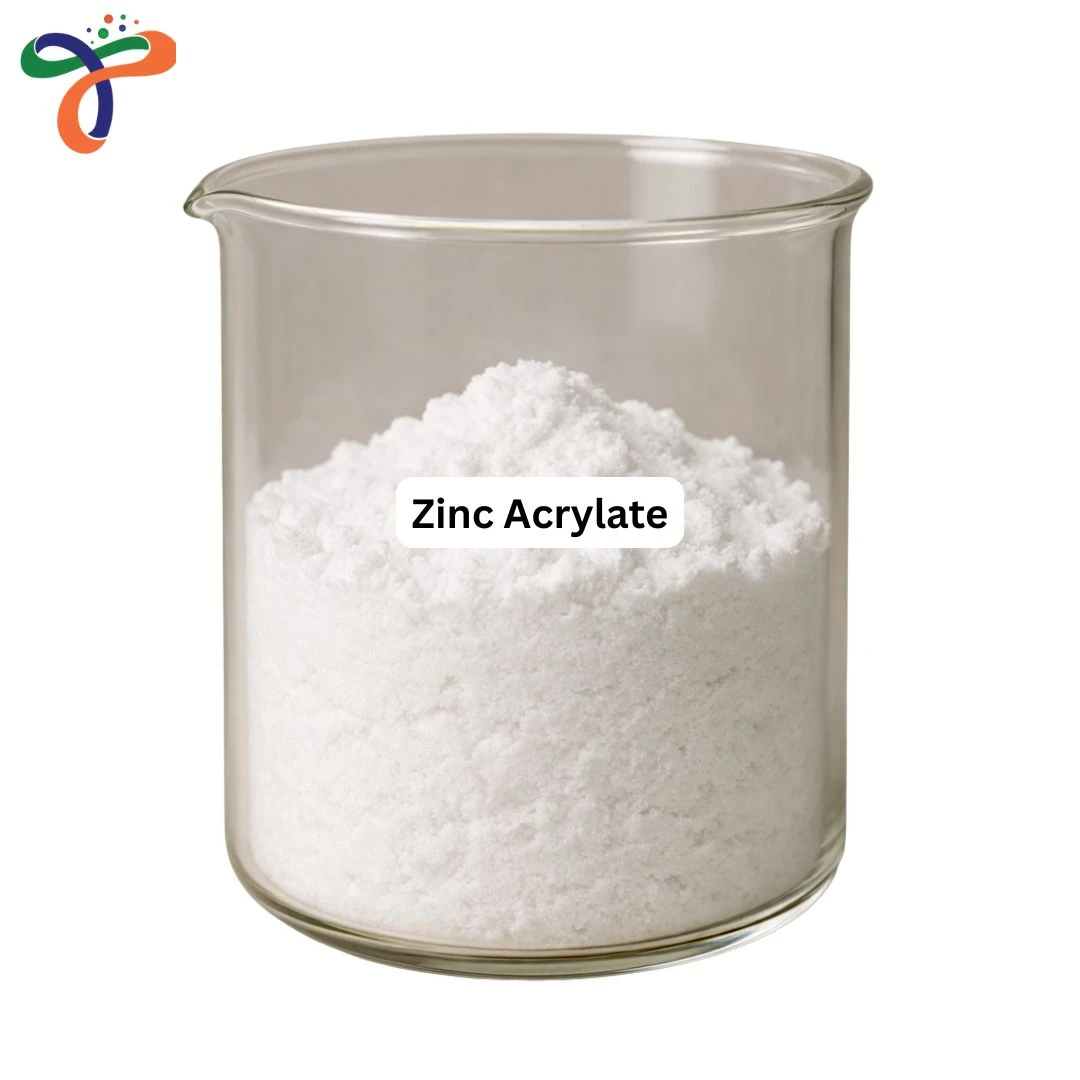
Form :
Powder
Molecular Weight :
142.11 G/mol
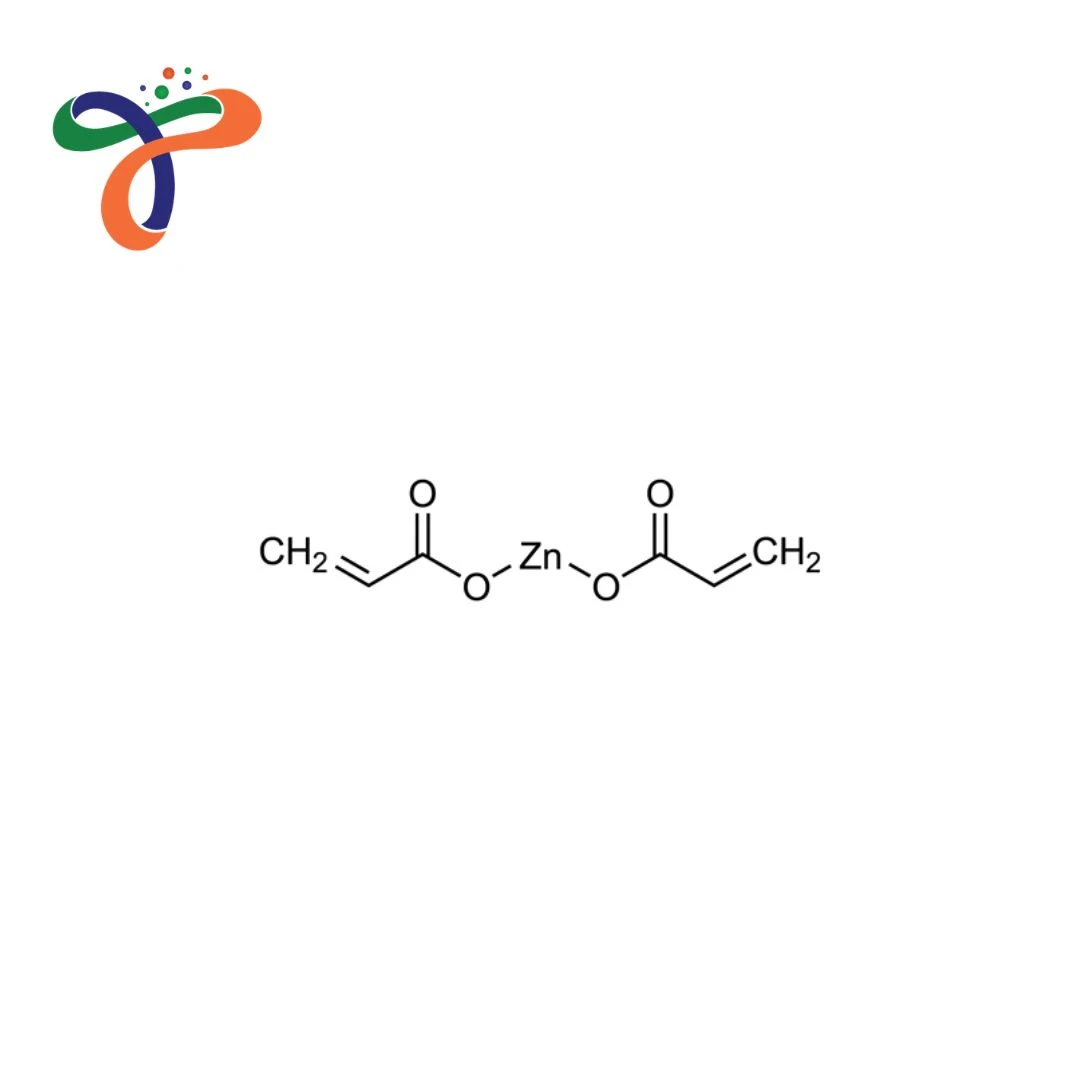
Molecular Formula :
C6H6O4ZN
Boiling Point :
320 °c
Melting Point :
180 °c
Flash Point :
230 °c
Solubility :
Sparingly Soluble In Water; Soluble In Ethanol And Acetone
Description :
Overview of Zinc Acrylate
Zinc Acrylate is a high-performance metal acrylate compound widely used in rubber compounding, plastic processing, adhesives, and specialty polymer formulations. It acts as a crosslinking agent and adhesion promoter, improving mechanical strength, abrasion resistance, and durability in advanced material systems.
At ChemicalBull Pvt. Ltd., a leading bulk supplier of polymer additives and rubber performance chemicals, we provide Zinc Acrylate with consistent quality, competitive pricing, and reliable supply for plastic and rubber manufacturers.
Applications of Zinc Acrylate
Rubber Compounding & Tyre Performance
Zinc Acrylate is extensively used in rubber formulations, especially in high-performance applications like tyres, where it enhances crosslink density, abrasion resistance, and tensile strength.
It works effectively with Carbon Black / Carbon Black Oil, improving reinforcement and overall durability in rubber compounds.
Plastic Processing & Polymer Crosslinking
In plastic systems, Zinc Acrylate functions as a crosslinking agent, improving impact resistance, rigidity, and thermal stability in polymers.
It complements Polypropylene Glycol (PPG-400), enhancing flexibility and compatibility in polymer formulations.
Adhesives & Bonding Applications
Zinc Acrylate is used in adhesives and bonding systems to improve adhesion strength, durability, and resistance to environmental stress.
It integrates well with Epoxy Resin (KER 828 / Epoxy Resin Ker 828), enhancing performance in structural adhesive applications.
Coatings & Surface Protection
In coatings, Zinc Acrylate enhances film strength, adhesion, and chemical resistance, making it suitable for protective coatings.
It works effectively with Melamine Powder, improving coating hardness and durability.
Specialty Polymer & Industrial Formulations
Zinc Acrylate is used in advanced polymer systems and specialty formulations, improving mechanical properties and long-term performance.
It supports formulations involving Hydrogenated C5 Hydrocarbon Resin, enhancing consistency and adhesion.
Safety & Handling Guidelines
- Store in a cool, dry, well-ventilated environment
- Use PPE (gloves, goggles, protective clothing)
- Avoid dust formation and inhalation
- Keep away from incompatible materials
- Follow MSDS guidelines for safe handling
Where to Buy Zinc Acrylate?
Zinc Acrylate Manufacturer
Produced by reliable global manufacturers maintaining strict quality standards for polymer-grade materials.
Zinc Acrylate Supplier & Distributor
ChemicalBull Pvt. Ltd. – Reliable partner for bulk polymer additives, rubber chemicals, and performance materials for industrial applications. Contact us today for bulk pricing, technical specifications, and fast delivery.
Zinc Acrylate MSDS
Available on request with complete details on handling precautions, storage requirements, hazard identification, and safety measures.
Ensures safe usage across processing, transport, and application stages.
Frequently Asked Questions
-
What makes Zinc Acrylate important in rubber formulations?
It enhances crosslinking, resulting in improved strength, wear resistance, and durability. -
Can Zinc Acrylate be used in high-performance tyre applications?
Yes, it is commonly used to improve abrasion resistance and extend product lifespan in tyre compounds. -
How does Zinc Acrylate improve adhesion in formulations?
It acts as an adhesion promoter, strengthening bonding between materials in adhesives and coatings. -
Is Zinc Acrylate compatible with other polymer additives?
Yes, it works well with various additives and improves overall formulation performance. -
What should be checked before sourcing Zinc Acrylate?
Buyers usually evaluate purity, particle size, and compatibility with their formulation system.