Mercuric Sulphate
Form :
Powder
Molecular Weight :
296.65 G/mol
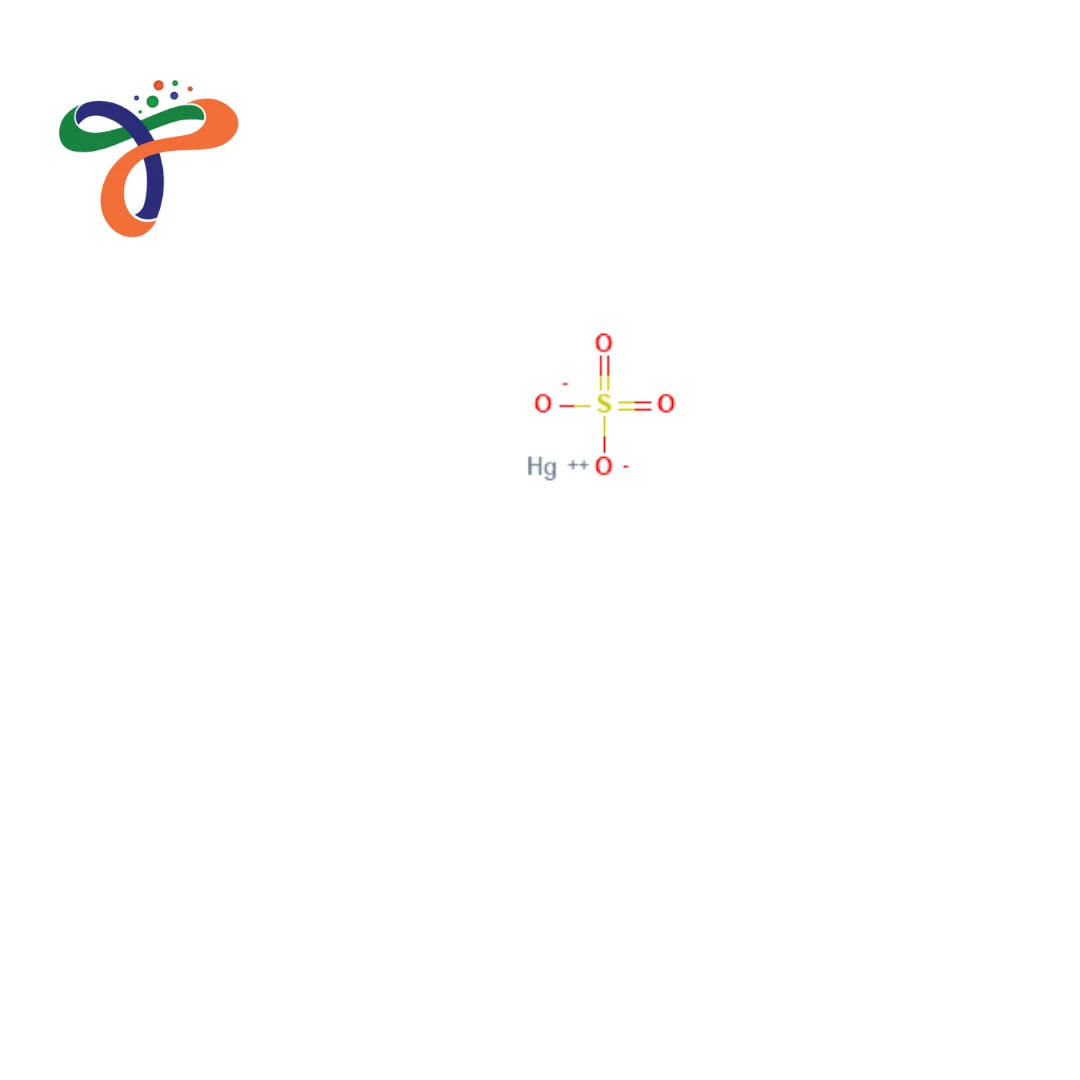
Molecular Formula :
HGSO4
Boiling Point :
400 °c
Melting Point :
250 °c
Flash Point :
150 °c
Solubility :
Soluble In Water
Description :
Mercuric Sulphate Suppliers, Manufacturers, Distributor & Wholesaler
Mercuric Sulphate is a mercury-based compound that can be utilized as a catalyst in organic synthesis, as well as a reagent for analytical use. It is renowned for its catalytic capabilities throughout a variety of reactions, United Arab Emiratesge for analytical chemistry, and the use of industrial processes in the past. Mercuric Sulphate has a specific application in controlled processes regardless of the environmental and toxicity issues.
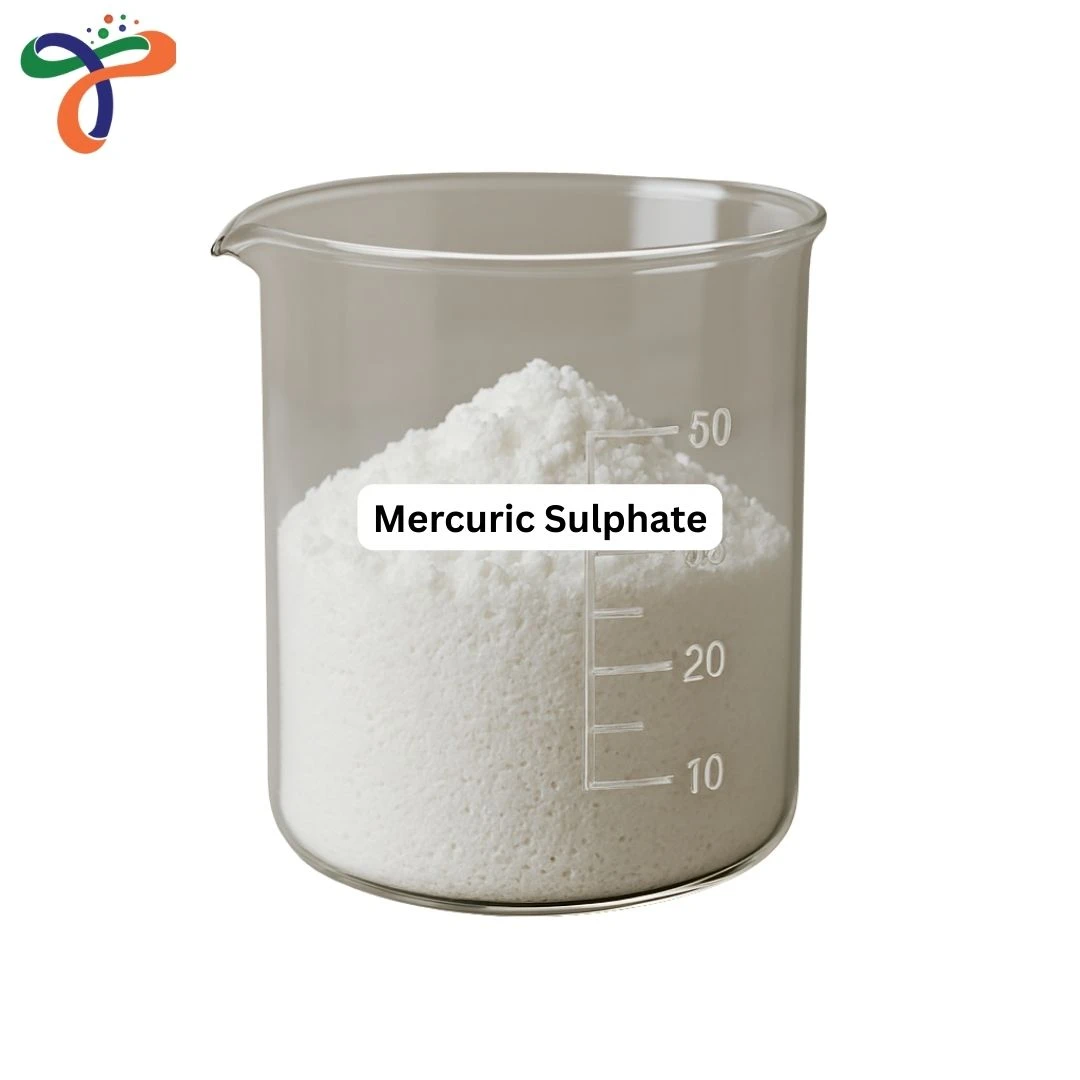
This compound appears as a white crystalline powder. Its mercury(II) sulfate structure provides catalytic properties.
Related products include other mercury compounds used in specialized analytical and catalytic applications (note: mercury use is declining due to toxicity).
MERCURIC SULPHATE: LR & AR Grade Series
Mercuric Sulphate is available in different laboratory grades, including Laboratory Reagent (LR) and Analytical Reagent (AR). Both grades refer to the same chemical compound, but their specifications and impurity limits may differ.
Mercuric Sulphate LR
Mercuric Sulphate LR (Laboratory Reagent Grade) is intended for routine laboratory procedures and general chemical research where the application does not require the tighter impurity controls associated with analytical reagent specifications.
Its suitability depends on the specific test requirements and the manufacturer's stated specification. Buyers should review the product's Certificate of Analysis (COA) before selecting this grade.
Mercuric Sulphate AR
Mercuric Sulphate AR (Analytical Reagent Grade) is intended for analytical laboratory work and specialised testing procedures where controlled impurity levels are important.
AR-grade material is generally supplied with a defined assay and impurity specifications. The exact assay and permissible impurity limits must be confirmed from the manufacturer's product specification and batch-specific COA.
Applications of Mercuric Sulphate
Analytical Chemistry
- Used in COD (Chemical Oxygen Demand) analysis
- Applied as a catalyst in digestion procedures
- Used in environmental testing
- Applied in wastewater analysis
- Used in analytical method applications
- Applied in quality control testing
Catalytic Applications (Historical)
- Used as a catalyst in organic synthesis (declining use)
- Applied to specific chemical transformations
- Used in industrial chemical processes (being phased out)
- Applied in specialty reactions (limited current use)
Note: Use of mercury compounds is heavily restricted and being phased out due to environmental and health concerns. Alternative methods and catalysts are strongly recommended.
Safety & Handling Guidelines
- HIGHLY TOXIC—severe mercury poisoning hazard
- ENVIRONMENTAL HAZARD—bioaccumulative
- Use only in authorized facilities with proper controls
- Requires specialized handling and disposal
- Use full PPE, including a respirator, gloves, and protective clothing
- Handle in a well-ventilated fume hood with containment
- Store in locked hazardous material storage
Where to Buy Mercuric Sulphate?
Mercuric Sulphate Manufacturer
ChemicalBull supplies Mercuric Sulphate for authorized analytical applications with comprehensive regulatory compliance.
Mercuric Sulphate Supplier & Distributor
- Available in controlled quantities for authorized use only
- Requires appropriate licensing and documentation
- Subject to international shipping restrictions
- COA, MSDS, and comprehensive regulatory documentation provided
MSDS
Includes comprehensive mercury toxicity warnings and strict handling protocols.
Frequently Asked Questions (FAQs)
-
What is Mercuric Sulphate used for?
Primarily used in COD analysis for wastewater testing; historical catalyst use is being discontinued. -
What is the molecular formula?
Molecular formula: HgSO₄ with molecular weight 296.65 g/mol. -
Are there alternatives?
Yes, mercury-free COD methods available; alternative catalysts for most reactions; strongly recommended.